





Bluff Park asks 89% more than Long Beach as a whole.
Long Beach, California · Neighborhood guide
Bluff Park
A 1982 historic district of big pre-war houses on the ocean bluff, facing a 13-acre strip of lawn above the beach

Median askingBluff Park$1.7M11 for sale
See homesBluff Park, in short.
Bluff Park is a small historic district on the ocean bluff in southeast Long Beach, along Ocean Boulevard and 2nd Street from Junipero Avenue east to Loma Avenue. The City Council adopted it on July 29, 1982, one of the city's first historic districts, and its large two-story Craftsman and period revival houses date from 1903 to 1949. Across Ocean Boulevard is the park itself, a 13.2-acre strip of lawn along the top of the bluff, with the Long Beach Museum of Art at the west end. As of September 2026, houses listed here asked about $1.65 million to $4.5 million, and condos $325,000 to $1 million.
Bluff Park by the numbers.
- 10,056Population
- 63%Bachelor's degree or higherage 25+
- $104,207Median household income
- 40.3Median age
- 1903–1949Home build eraCity district description
- 90803ZIP codeBluff Park & the bluff
Sources: U.S. Census Bureau, ACS 5-year 2019–2023; neighborhood facts compiled by The Slava House.
A protected district of big houses on the bluff
Pre-war houses on Ocean Boulevard and 2nd Street, facing a strip of lawn and the open water.
Bluff Park is a small residential historic district on the ocean bluff in southeast Long Beach. The city describes it as the houses along Ocean Boulevard and 2nd Street from Junipero Avenue east to Loma Avenue, with a jagged northern edge between 2nd Street and Broadway. The city's wider Bluff Park neighborhood map runs up to Broadway.
The architecture is the reason people buy here. The city describes the district as large two-story Craftsman bungalows and period revival houses built between 1903 and 1949. You'll also see Spanish Colonial Revival, Tudor, Prairie and Colonial Revival homes, and on East Ocean Boulevard there's a house by Irving Gill, one of California's early modernists.
The name comes from the park across Ocean Boulevard. Bluff Park is 13.2 acres of lawn, benches and telescopes along the top of the bluff from 20th to 36th Place, with a bronze Lone Sailor statue by Stanley Bleifeld dedicated on December 11, 2004. It's the only one of the Navy's Lone Sailors that overlooks the ocean. For residents it works like a shared front yard, and the beach bike path is a short walk down.
The Long Beach Museum of Art sits at the west end in a 1912 Craftsman house built as a winter home for philanthropist Elizabeth Milbank Anderson. A few blocks north, Broadway and 4th Street's Retro Row supply the coffee, restaurants and shops that the residential district doesn't have.
Live from the MLS
Bluff Park compared with all of Long Beach.
A square foot in Bluff Park costs 9% more than across Long Beach.
Bluff Park$667
All of Long Beach$610
Listings in Bluff Park have been on the market 82 days longer than across Long Beach.
What’s for sale
36% of the homes for sale in Bluff Park are condos.
- Condo36%4 homes
- Single-family27%3 homes
- Multi-unit27%3 homes
- Townhouse9%1 home
Homes for sale in Bluff Park are 74% bigger than across Long Beach.
Bluff Park2,007 sq ft
All of Long Beach1,156 sq ft
Each card sets the median in Bluff Park against all of Long Beach. The arrow on a card lists every Long Beach neighborhood we cover. Asking prices for homes on the market right now inside each mapped area, not sale prices. Updated October 3, 2026, 7:00 PM PT
Homes for sale in Bluff Park
11 active listings in the mapped area
$485,000
Condo1 bd1 ba753 sqft
2772 E 2nd Street E2
$1,650,000
Single-Family3 bd2 ba2,007 sqft
24 Lindero
$2,599,999
Townhouse4 bd3 ba3,900 sqft
9 Temple
$4,475,000
Single-Family7 bd8 ba5,728 sqft
2747 E Ocean Boulevard
$1,695,000
Triplex
3366 E 1st
$994,999
Condo2 bd2 ba1,510 sqft
2999 E Ocean Boulevard 210
$939,000
Condo2 bd2 ba1,016 sqft
2601 E Ocean 807
$3,419,000
Single-Family7 bd5 ba4,178 sqft
2728 E 1st
$2,795,000
Quadruplex7 bd6 ba4,210 sqft
3409 E 2nd
$2,795,000
Quadruplex
3409 E 2nd Street
$999,999
Condo2 bd2 ba1,510 sqft
2999 E Ocean Boulevard 120

Still deciding? Ask me.
I’m a Realtor right here in Long Beach and I know Bluff Park inside out. Buying or selling, tell me what you’re after and I’ll help you get there.
Slava Ploshkin · DRE #02323623English and Russian · How I work in Long Beach
Where to eat, shop, and explore in Bluff Park
The restaurants, cafes, shops, parks, and landmarks that give Bluff Park its everyday character, most within a short walk.
6 places
Pick one and I’ll show you where it is.
Park5 min walk
The namesake park: 13.2 acres of lawn, benches and telescopes along the top of the bluff on Ocean Boulevard, from 20th to 36th Place. A bronze Lone Sailor by Stanley Bleifeld, dedicated in 2004, is the only one of the Navy's Lone Sailor statues that looks out over the ocean.
The bluff-top path is one of the best free ocean views in the city.
Landmark10 min walk
The city's art museum at 2300 East Ocean Boulevard, in a 1912 Craftsman house built as Elizabeth Milbank Anderson's winter home. The Navy used it as a club in World War II. The collection tops 4,000 works.
Claire's, the museum cafe, has tables looking straight out over the water.
Shopping · Nearby15 min walk
A few blocks north, 4th Street from Walnut to Temple is Retro Row: vintage shops, coffee, independent restaurants and the 1924 Art Theatre.
Restaurant · Nearby5 min walk
A vegan brunch spot at 2650 East Broadway, open Wednesday to Sunday. It started as a pop-up.
Restaurant · Nearby5 min walk
A casual Indian restaurant at 3344 East Broadway, near the east end of the neighborhood.
Beach · Nearby10 min walk
The beach access at the foot of Junipero Avenue, where you get down to the sand and the beach bike path below the bluff.
The bike path runs west to Shoreline Village and east to Belmont Shore.
The bluff's history, from 1903 to 1982
Anti-aircraft guns stood on this bluff during World War II.
As Long Beach grew into a seaside resort in the early 1900s, the bluff along Ocean Boulevard became one of the most desirable places to build. From 1903 into the late 1940s, well-off families put up large houses here, including the 1912 Anderson house that is now the art museum and the 1913 Southwind House, built for a co-founder of the hospital that became Long Beach Memorial.
The park took shape over decades. The Alamitos Land Company donated the first parcel in 1919 and the city added more over the years. During World War II the Army put anti-aircraft positions on the bluff, and the Navy used the Anderson house as a chief petty officers' club; the military structures came down in 1946, and the house later became the city's art museum.
The City Council adopted the Bluff Park Historic District ordinance on July 29, 1982, making it one of the first historic districts in Long Beach; the neighborhood association calls it the city's second. Today exterior work goes through the city's Certificate of Appropriateness process, and the Bluff Park Neighborhood Association, a volunteer nonprofit founded more than 50 years ago, keeps an eye on the district.
- Large houses built along the bluff from 1903 to the late 1940s
- Army anti-aircraft guns on the bluff in World War II, removed in 1946
- Historic district ordinance adopted July 29, 1982
Mostly big Craftsman houses
One of the best-kept sets of pre-war houses in Long Beach.
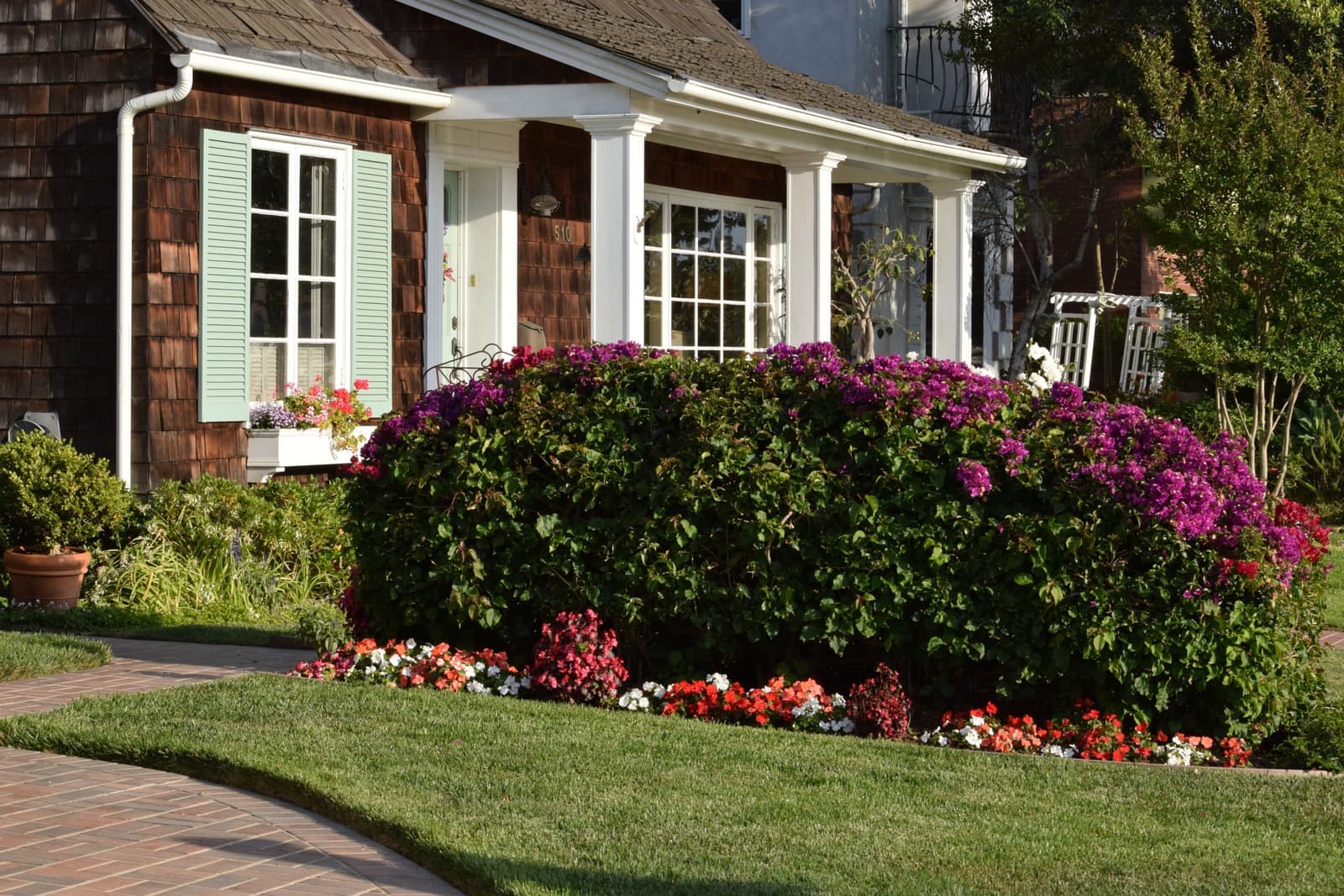
Large two-story Craftsman houses, with wide gabled roofs, exposed rafter tails, shingle siding and stone porch piers, are the signature. Around them you'll find Spanish Colonial Revival and Mediterranean houses with tile roofs, Tudor Revival with steep gables, Prairie and Colonial Revival homes, and a few later period houses.
It isn't only single-family homes. In September 2026 the 12 listings in our Bluff Park map included three houses, five condos, a townhouse, a triplex and two fourplexes, so there's a way in below single-family prices.
You're buying the street as much as the house. The city reviews exterior changes, so the block you buy into is likely to look much the same in twenty years.

- Two-story Craftsman houses are the district's signature
- Also Spanish, Tudor, Prairie and Colonial Revival homes
- Condos and small multi-unit buildings are the cheaper way in
What the district asks of you
Expect city review on anything outside the house.
In a Long Beach historic district, any exterior change needs a city Certificate of Appropriateness, even work that doesn't need a building permit. Small projects are handled by staff; second stories and additions over 250 square feet go to the Cultural Heritage Commission. Ask what work a seller has done and whether it was approved, and budget for period-appropriate materials.
Historic status can cut your taxes. Houses in a district can apply for a Mills Act contract, and the city says new owners usually see property tax reductions of 30% to 50%. Contracts run a rolling 10 years; the 2026 application window closed March 20, and the next opens in early January 2027 with a required workshop first. Check whether a home already has a contract, because it transfers with the property.
Much of the Ocean Boulevard edge is also in the California Coastal Zone, where some work needs extra approval; the city's coastal map shows which addresses. A century-old house can hide foundation, roof and plumbing bills, so pay for a thorough inspection. School assignments come from LBUSD, by address.
- Exterior changes need a Certificate of Appropriateness, even without a permit
- Mills Act: new owners often save 30% to 50%; next window January 2027
- Much of the Ocean Blvd edge is in the Coastal Zone
How the Bluff Park market works
A small district where architecture and position set the price.
Bluff Park is a small market. As of September 2026, the three houses listed in our map asked about $1.65 million to $4.5 million, the condos about $325,000 to $1 million, and the small multi-unit buildings about $1.7 million to $2.8 million.
Inside the district, the price comes down to style and pedigree, how original the detail is, the level of restoration, the lot, and how close the house is to the park and the ocean. Averages don't mean much here; the last few sales on the same stretch of the bluff do.
Getting around Bluff Park
A quiet, walkable pocket with the beach downhill and Broadway close by.
The park and the bluff-top path are across Ocean Boulevard. The beach is a short walk down at Junipero, and Retro Row's shops and cafes are a few blocks north. The beach bike path runs west to Downtown and east to Belmont Shore.
For driving, Ocean Boulevard, Broadway and 4th Street run east to west, and Pacific Coast Highway and Alamitos Avenue lead to the 710 and the 405. Downtown Long Beach and the Metro A Line are a few minutes west. Street parking is usually easier than in Alamitos Beach, though the park edge fills up on sunny weekends.
More Bluff Park facts
- 1982Historic districtOrdinance adopted July 29
- 13.2 acresParklandOcean Blvd, 20th to 36th Place
- 2004Lone SailorThe only one facing the ocean
- 1912Museum houseLong Beach Museum of Art




Rentals in Bluff Park
1 active rental in the mapped area
Renting in Bluff Park
Yes, but rentals are few. They come up mostly in condos and small apartment buildings, and now and then in a historic house.
Questions & answers
Yes, if an older house on the ocean bluff is what you're after. It's quiet, the houses date from 1903 to 1949, and a 13-acre park and the beach are across the street. The catch is price and supply: houses are expensive and rarely listed, and a protected historic home costs time and money to keep up.
Explore near Bluff Park
0.8 mi awayBelmont HeightsCraftsman bungalows on the rise above Belmont Shore, with a local main street on BroadwayRead the guide ›0.9 mi awayAlamitos BeachOld apartment blocks east of Downtown, with Broadway through the middle and the sand at the end of the streetRead the guide ›1.3 mi awayBelmont ShoreSmall old houses around Second Street, a few minutes' walk from flat waterRead the guide ›2.1 mi awayDowntown Long BeachWhere Long Beach started: apartment towers and old storefronts, with the harbor at the foot of Pine AvenueRead the guide ›2.2 mi awayThe PeninsulaA mile-long sandspit between the ocean and Alamitos Bay, where front doors open onto a 1920s boardwalk instead of a streetRead the guide ›2.2 mi awayPark EstatesCustom mid-century and traditional houses, started in 1948, on curving streets between Recreation Park and Cal State Long BeachRead the guide ›

Where we check the facts
The facts in this guide (districts, zones, rules) come from the official records below. We re-check them before property tours.
- City of Long Beach — Historic Districtslongbeach.govBluff Park district: boundaries, 1903 to 1949, ordinance adopted July 29, 1982
- City of Long Beach — Bluff Parklongbeach.gov13.2 acres, 20th to 36th Place, Lone Sailor (2004), 1919 donation, WWII use
- Bluff Park Neighborhood Associationbluffpark.orgcalls it the city's second historic district; association founded 50+ years ago
- Wikipedia — Bluff Park, Long Beachen.wikipedia.orgdistrict edges, Irving Gill house, Southwind House (1913)
- Wikipedia — Long Beach Museum of Arten.wikipedia.org1912 Anderson house, WWII Navy club, 1950 purchase, 4,000+ works, Claire's
- City of Long Beach — Certificate of Appropriatenesslongbeach.govexterior work, staff vs. Cultural Heritage Commission review
Show all 11 sourcesShow fewer
- City of Long Beach — Mills Act programlongbeach.gov30% to 50% savings, rolling 10-year term, 2026 and 2027 windows
- City of Long Beach — Coastal zone maplongbeach.govwhich blocks are in the Coastal Zone
- Long Beach Unified School Districtlbschools.netSchool Finder for address-level assignments
- CRMLSgo.crmls.orgactive listings and asking prices, September 2026
- FEMA Flood Map Service Centermsc.fema.govflood zones by address
Photo credits (5)
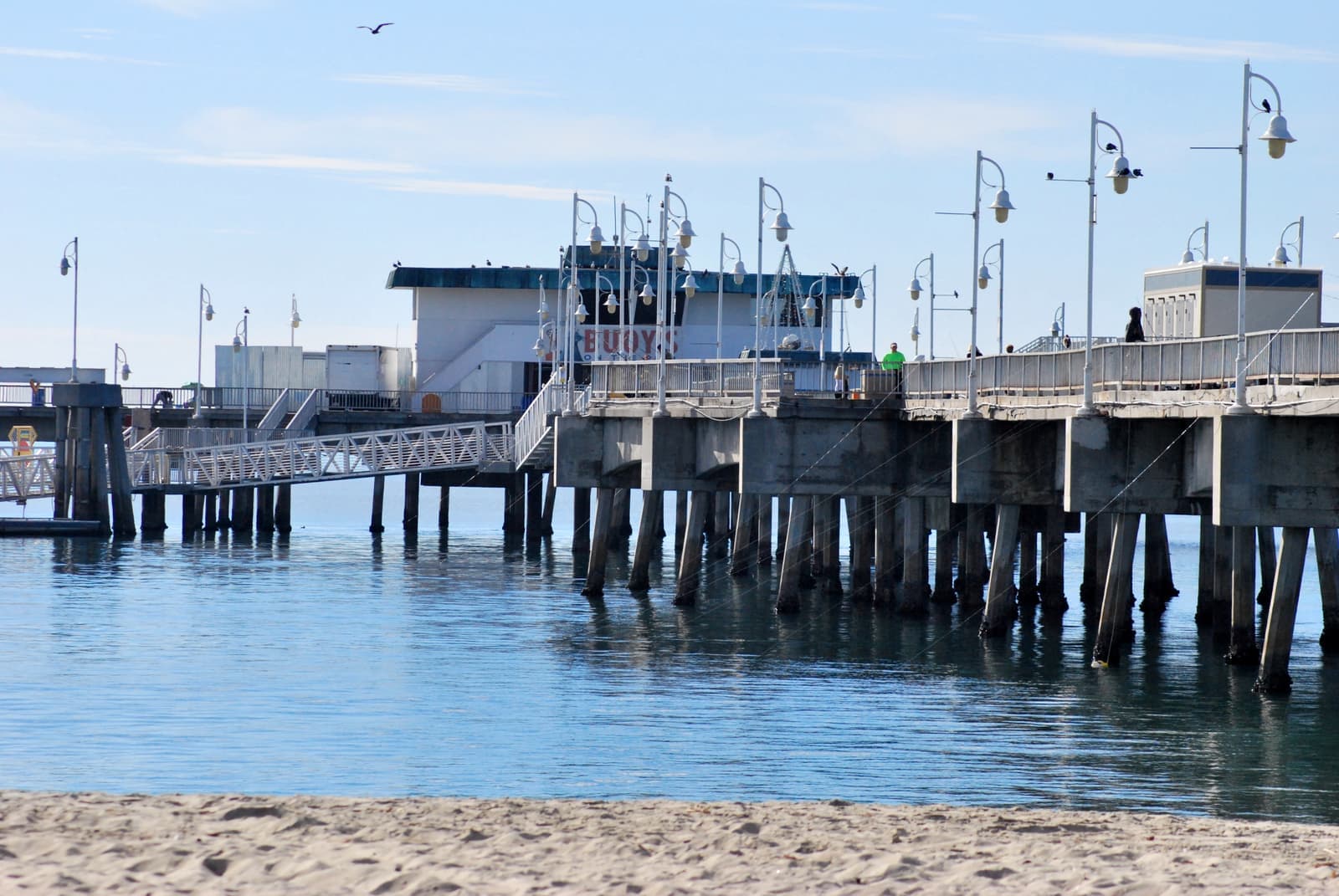
- A lone beach umbrella on the wide sand below Bluff Park, Belmont Pier in the distancetdlucas5000, CC BY 2.0
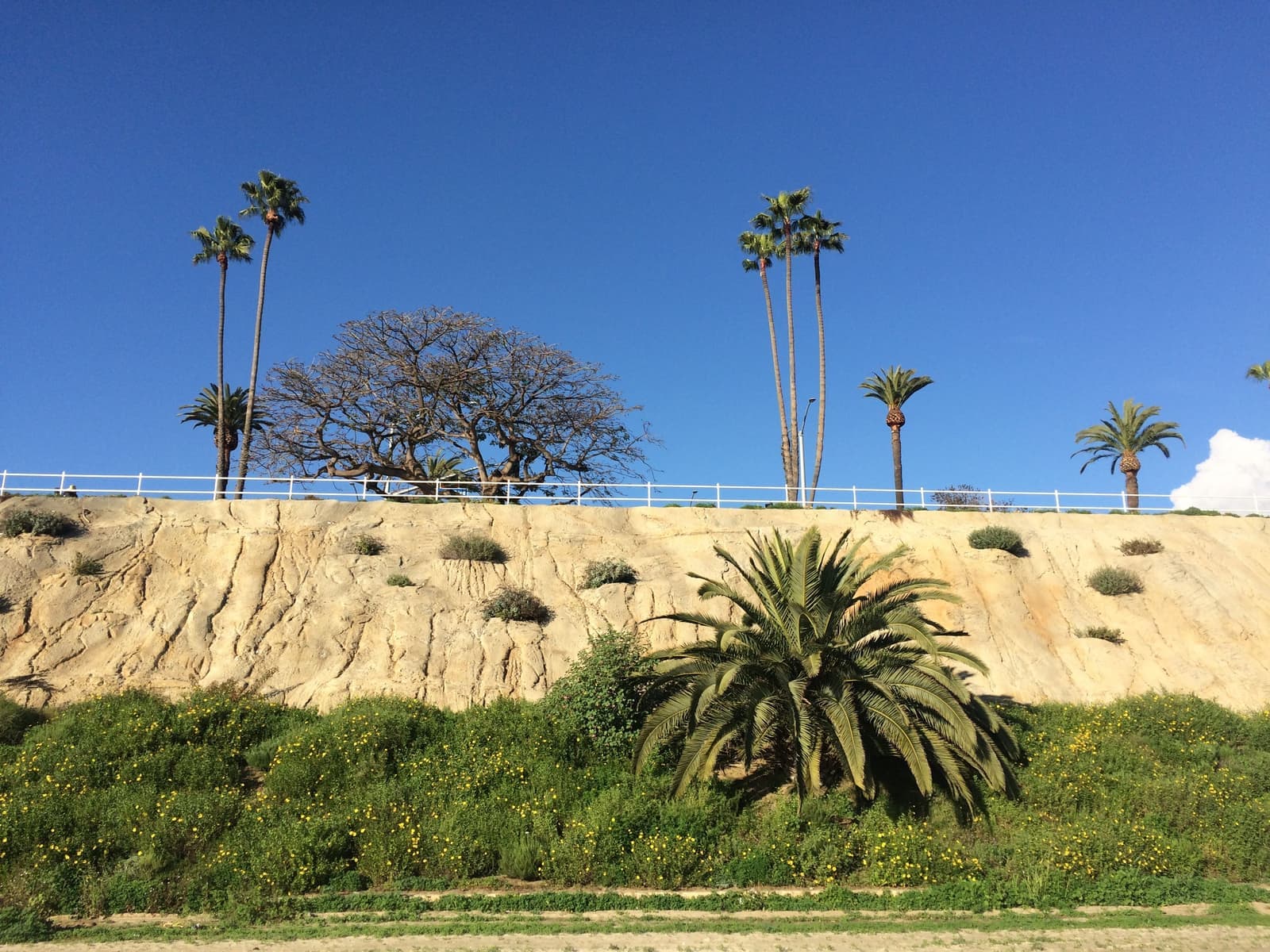
- Palms along the top of the bluff at Bluff Park, seen from the beach path belowSergei Gussev, CC BY 2.0
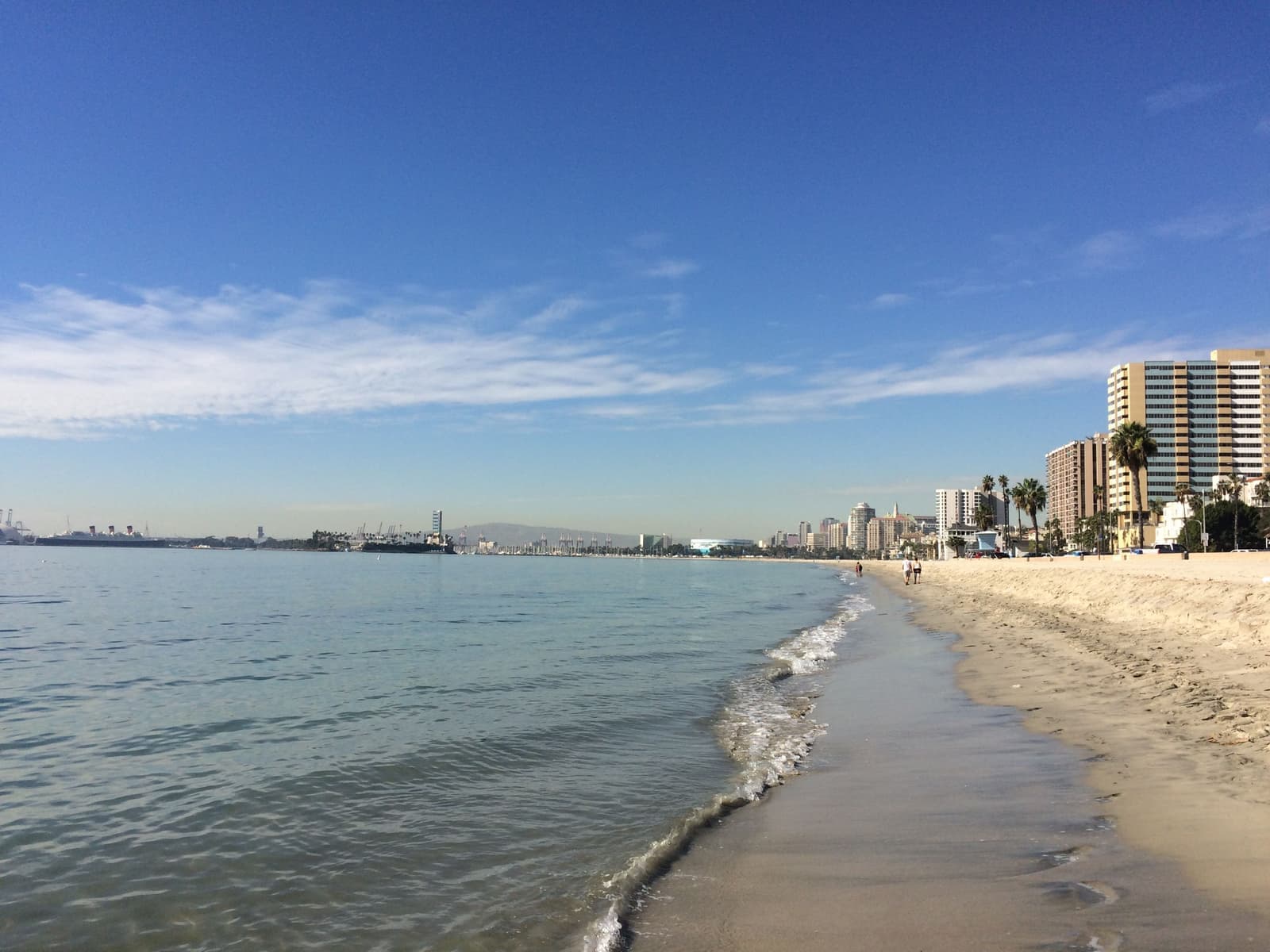
- The water's edge below Bluff Park, with the Ocean Boulevard towers to the westSergei Gussev, CC BY 2.0
- Late sun on the coral trees at the west end of Bluff ParkLaurie Avocado, CC BY 2.0
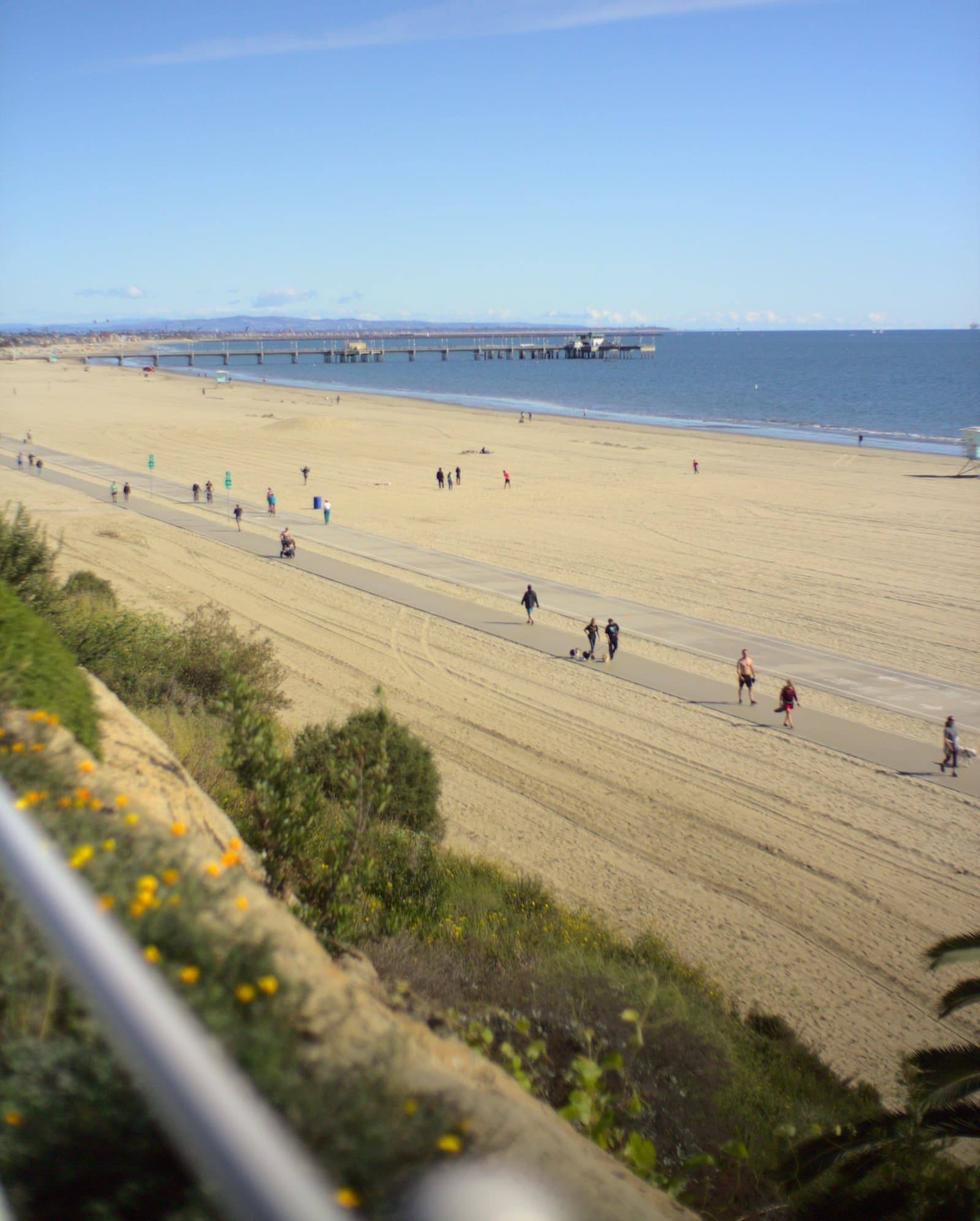
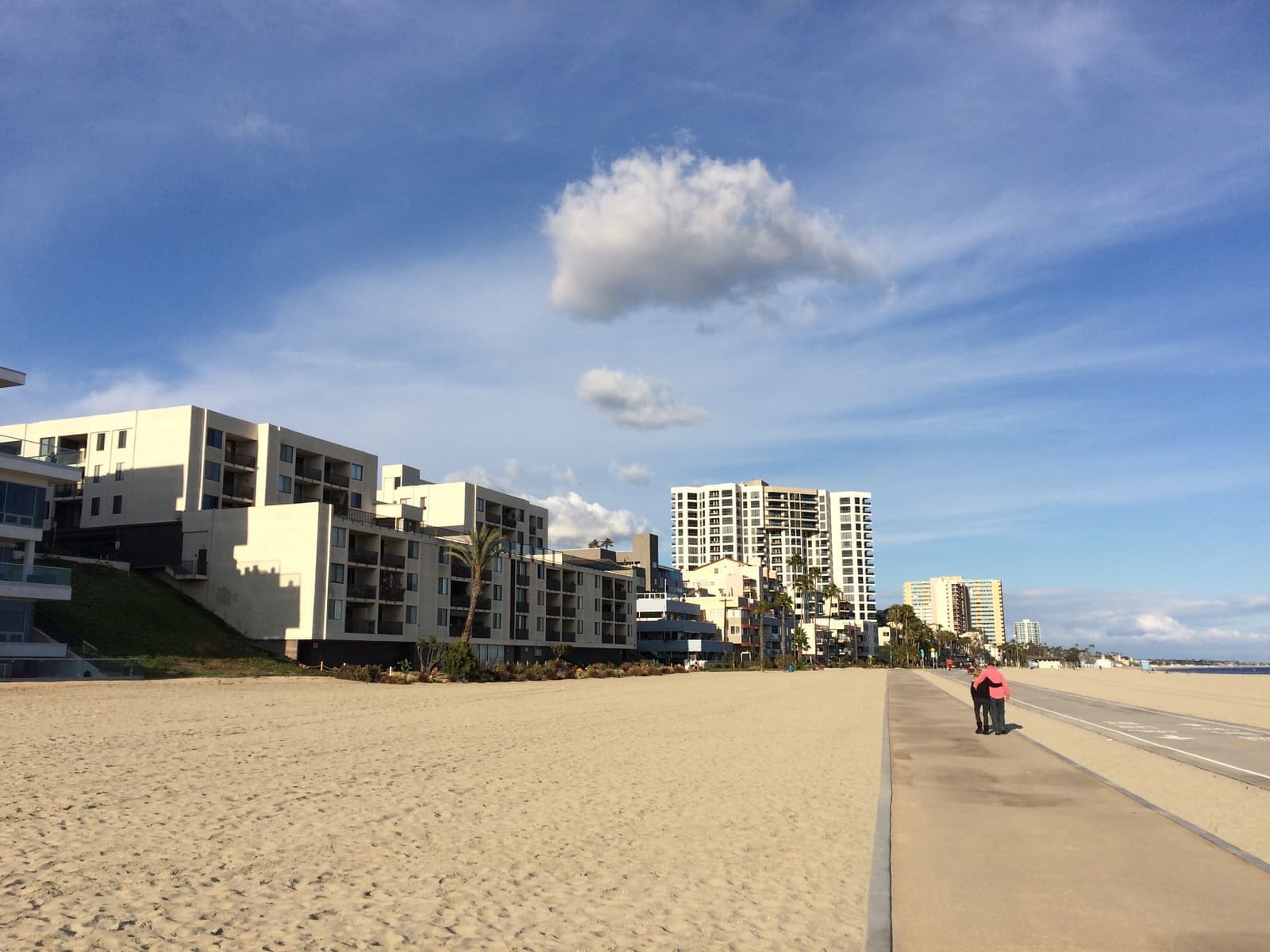
- Walkers and cyclists on the beach path below the bluff, with Belmont Pier aheadArthur Reeder, Unsplash License, cropped