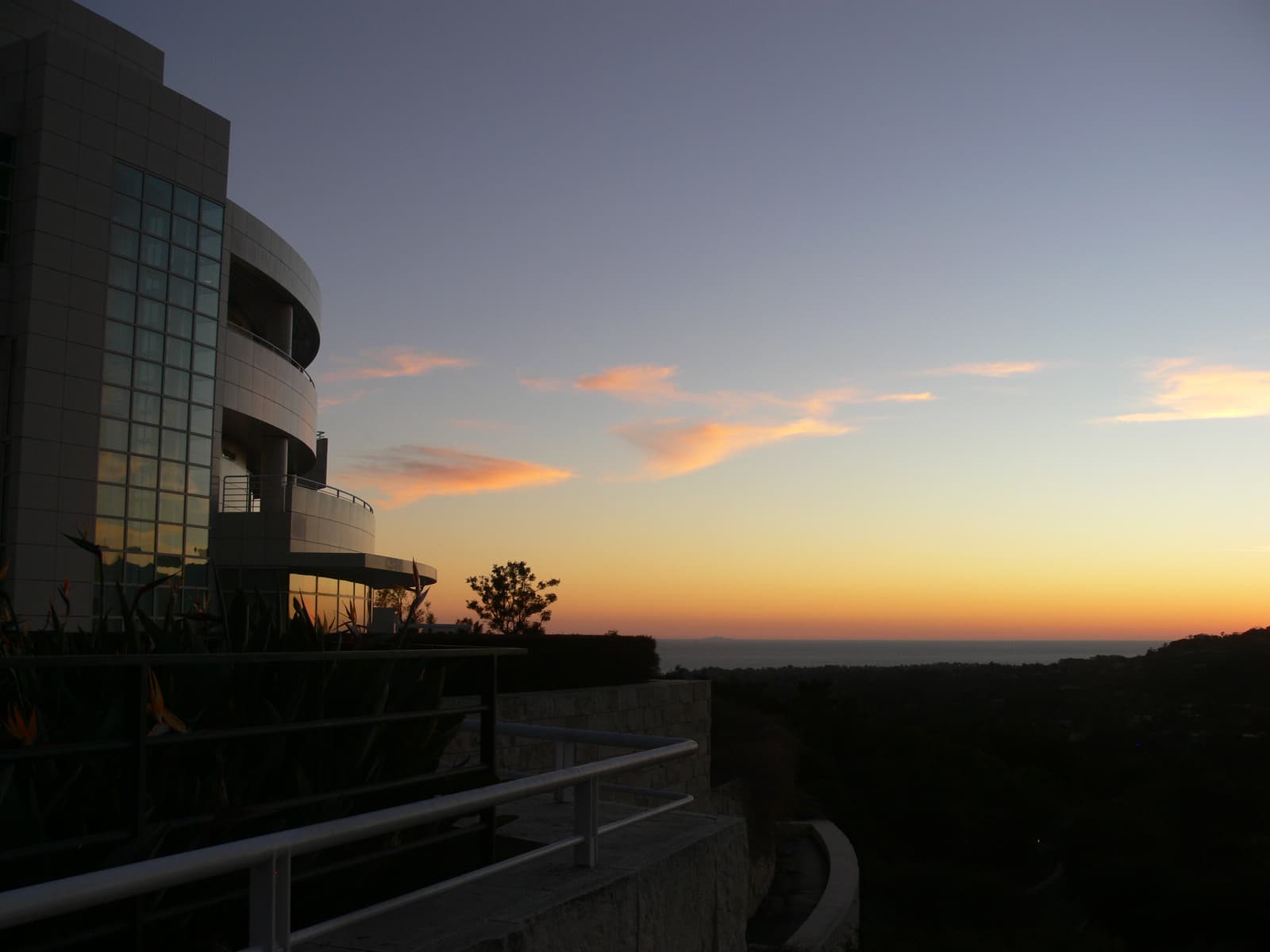
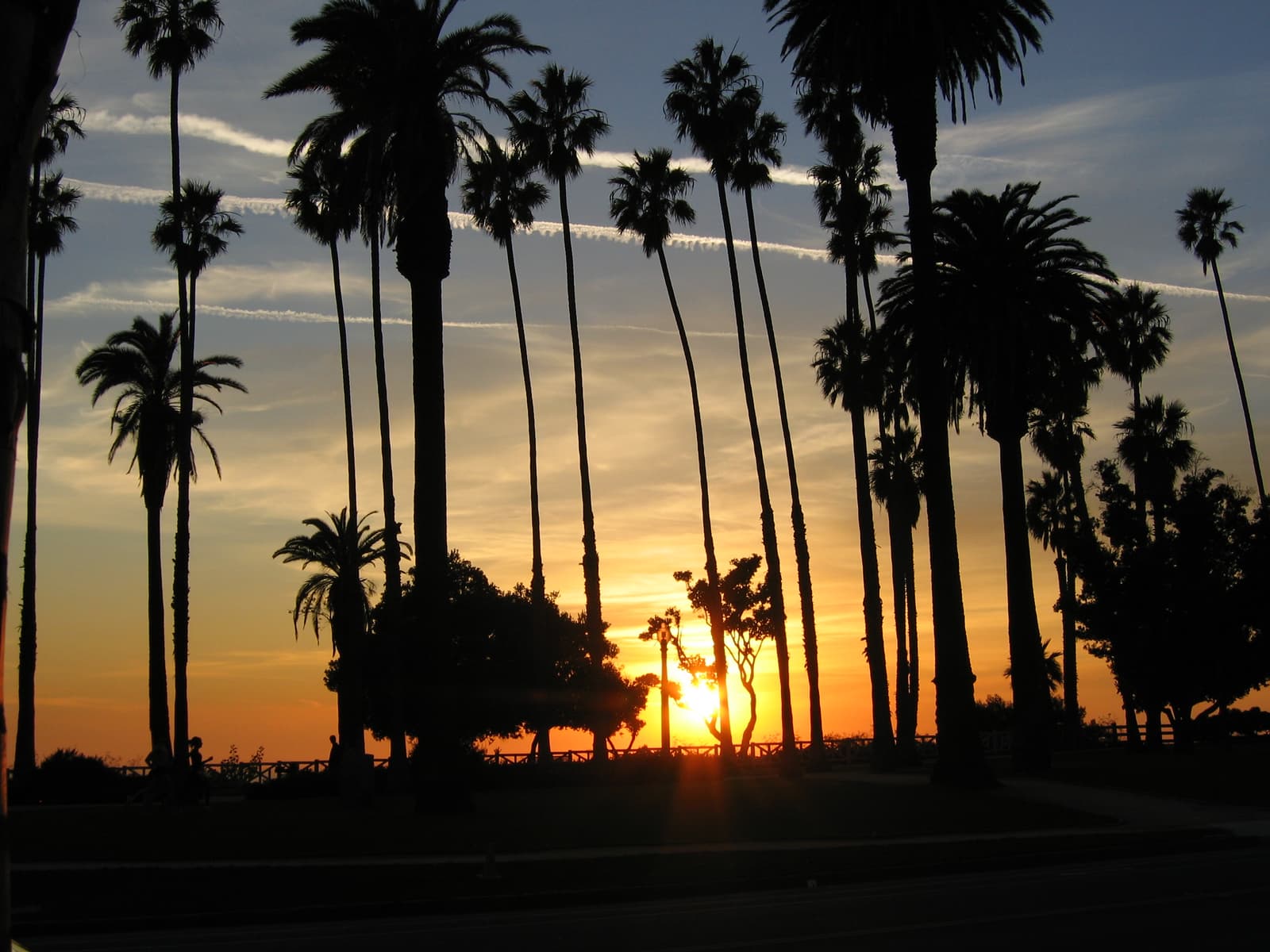
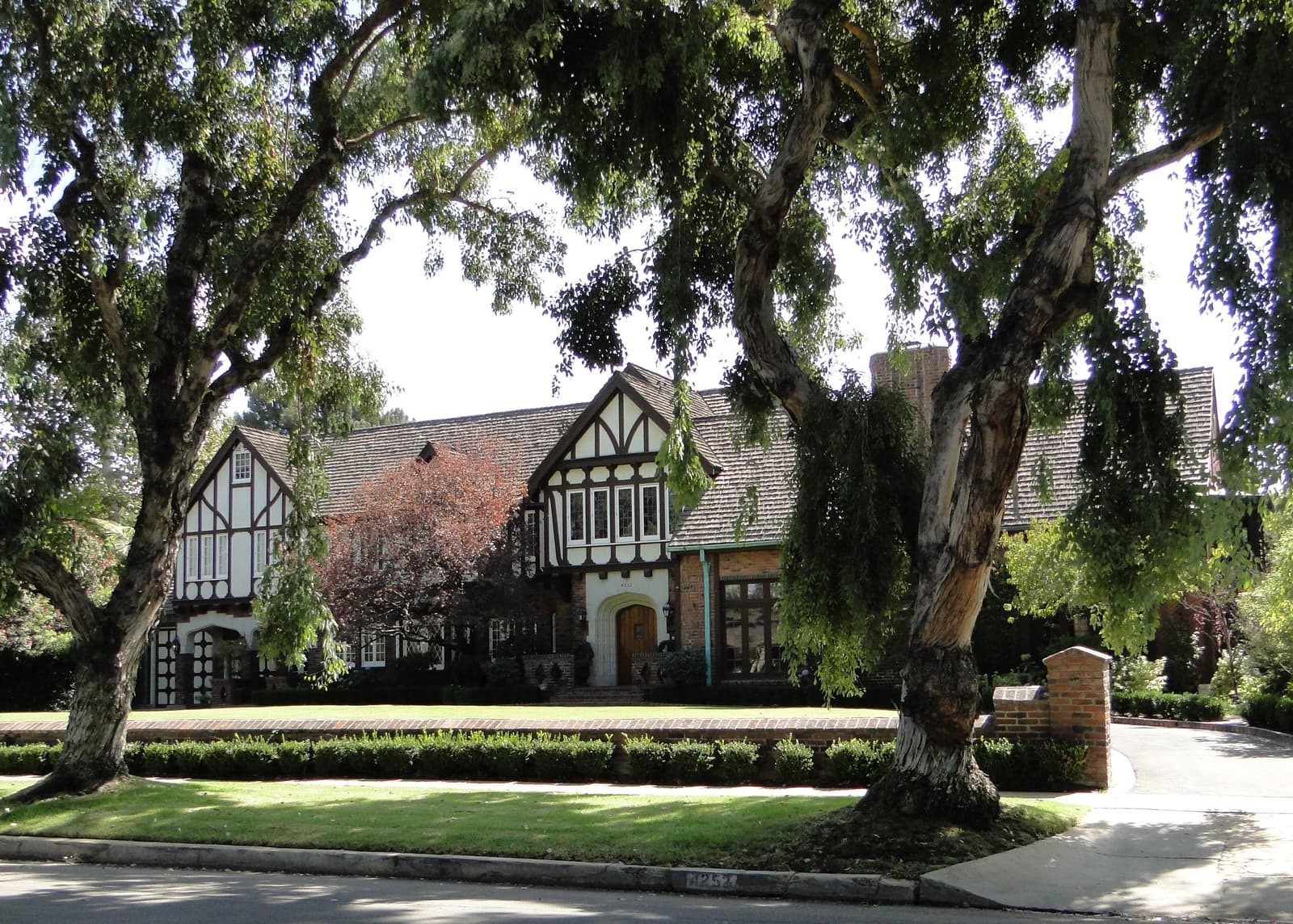
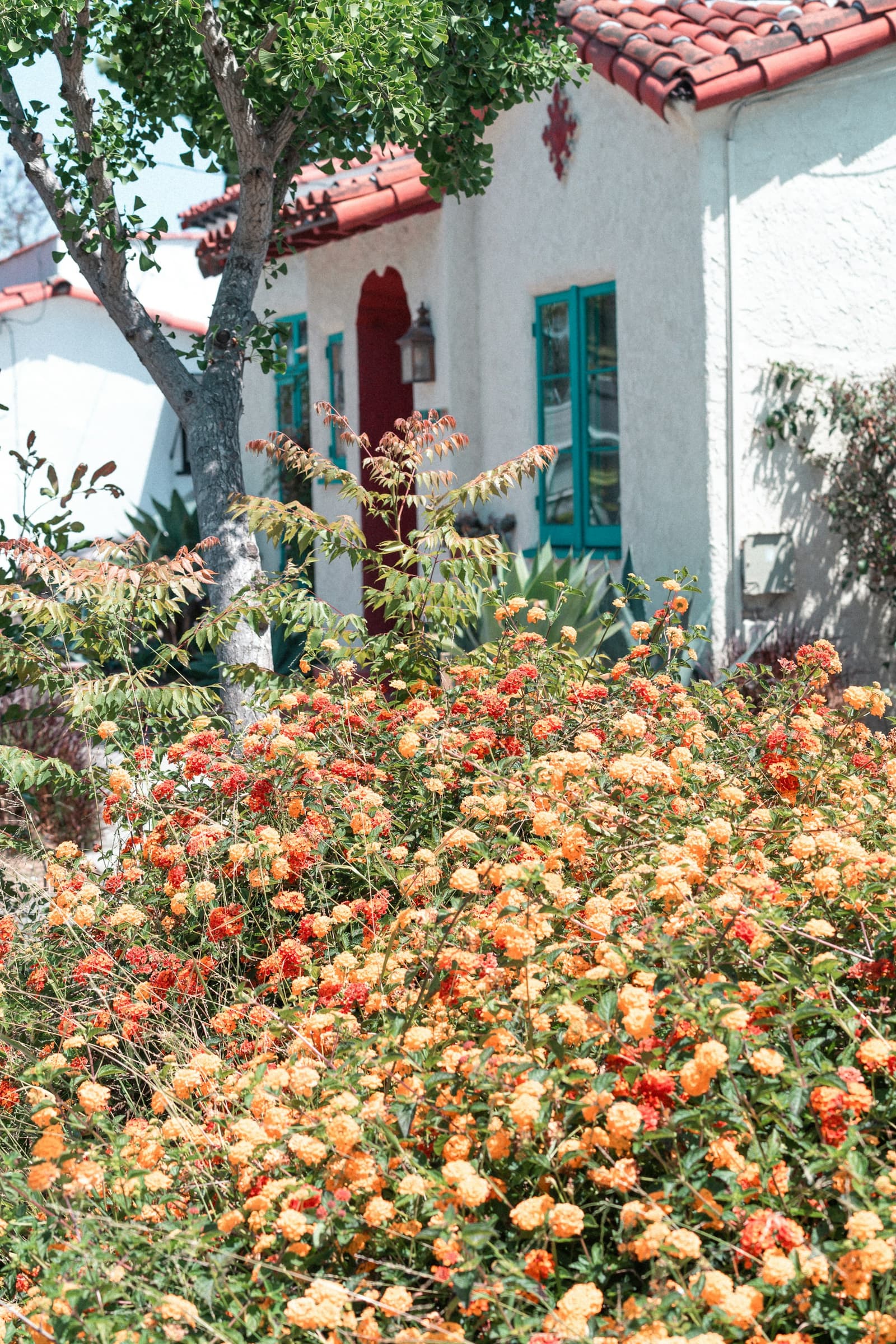
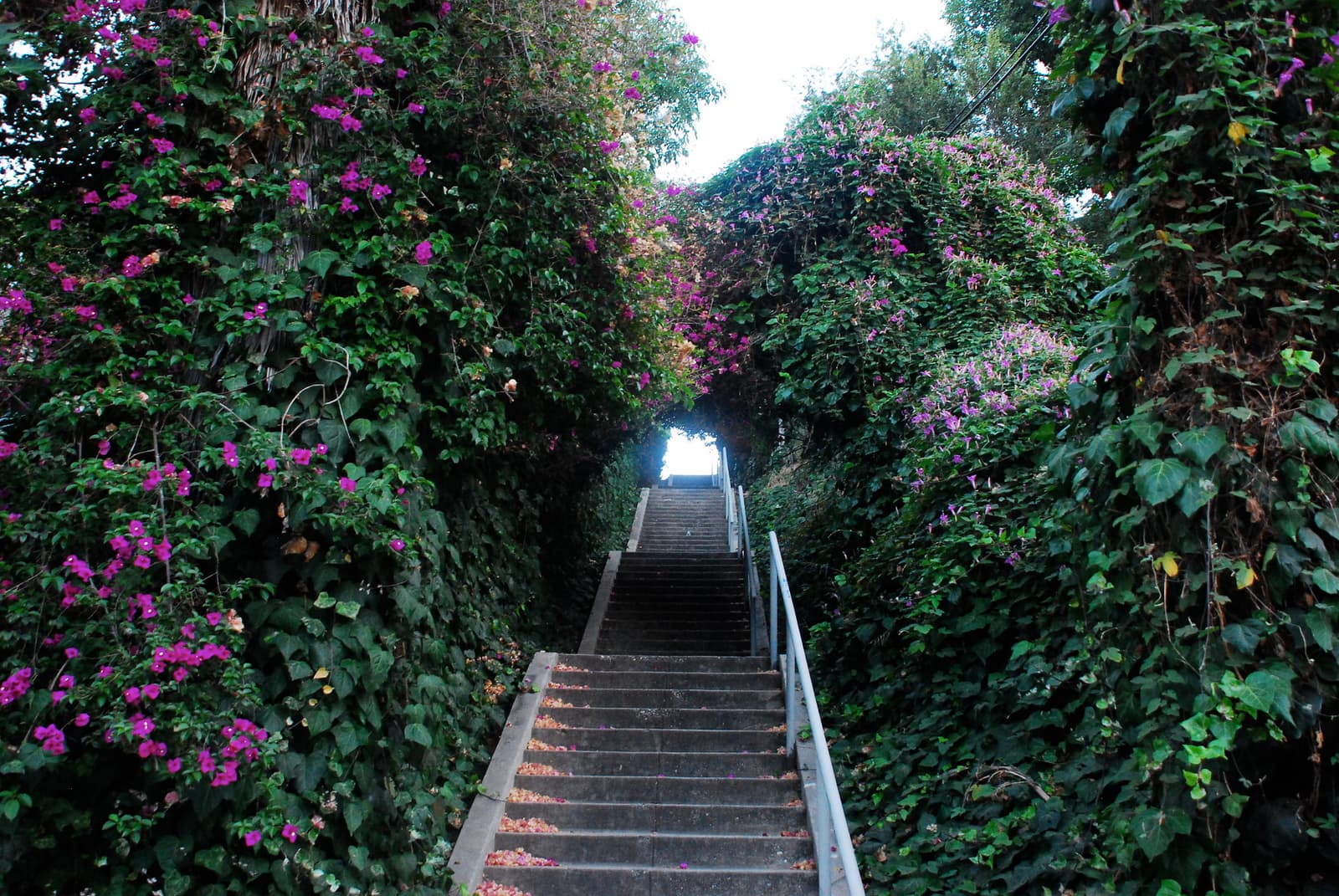
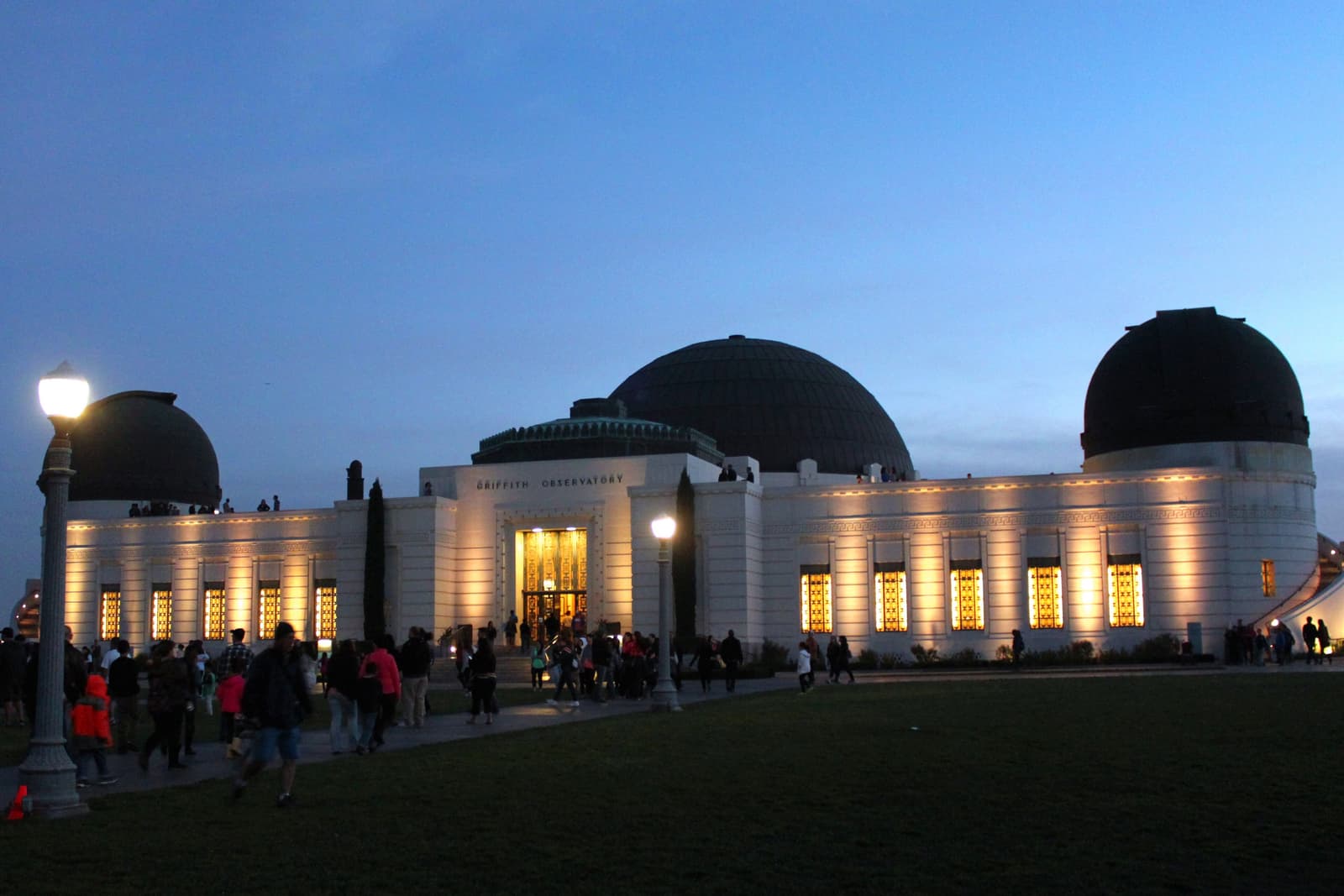
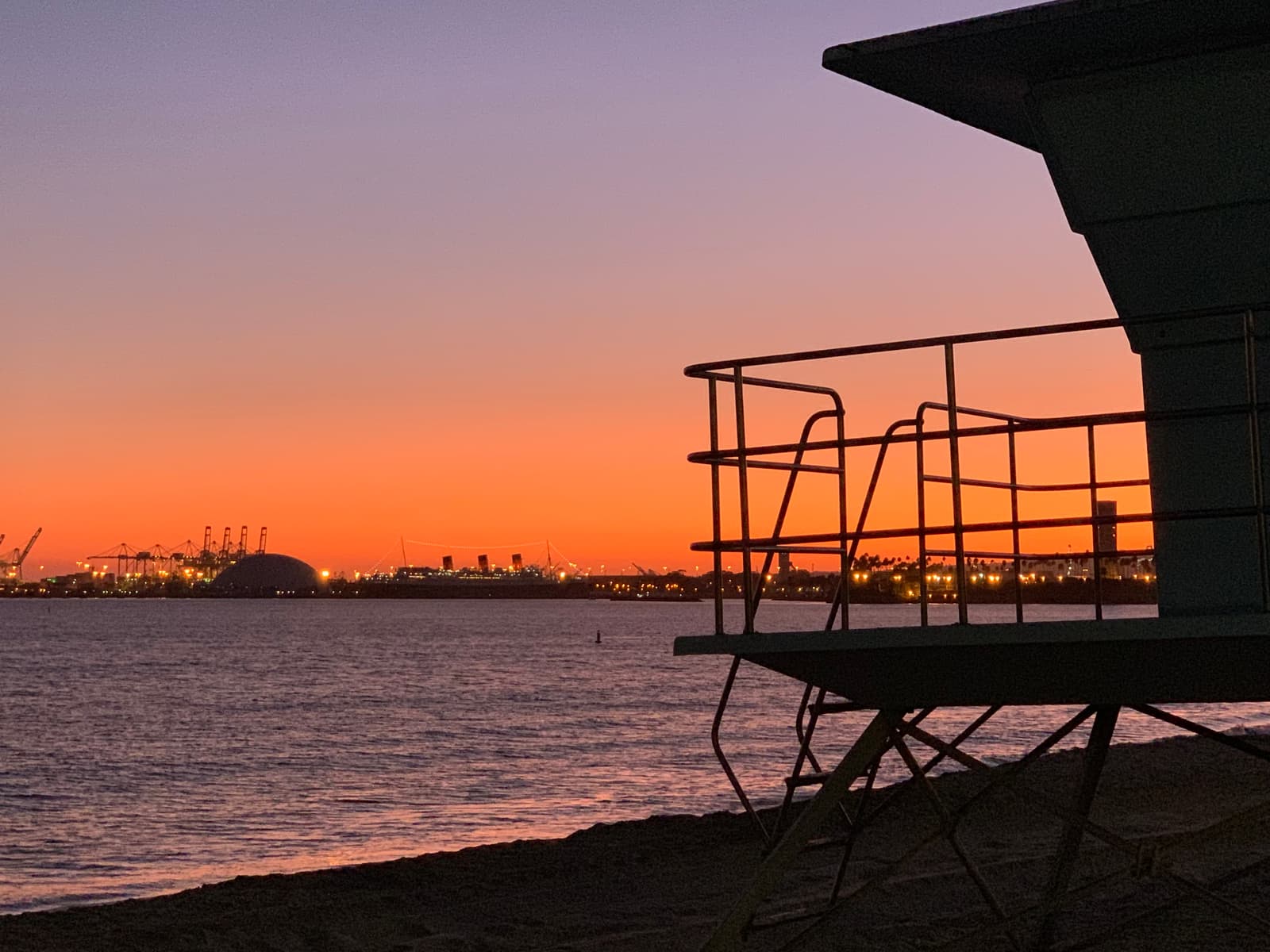
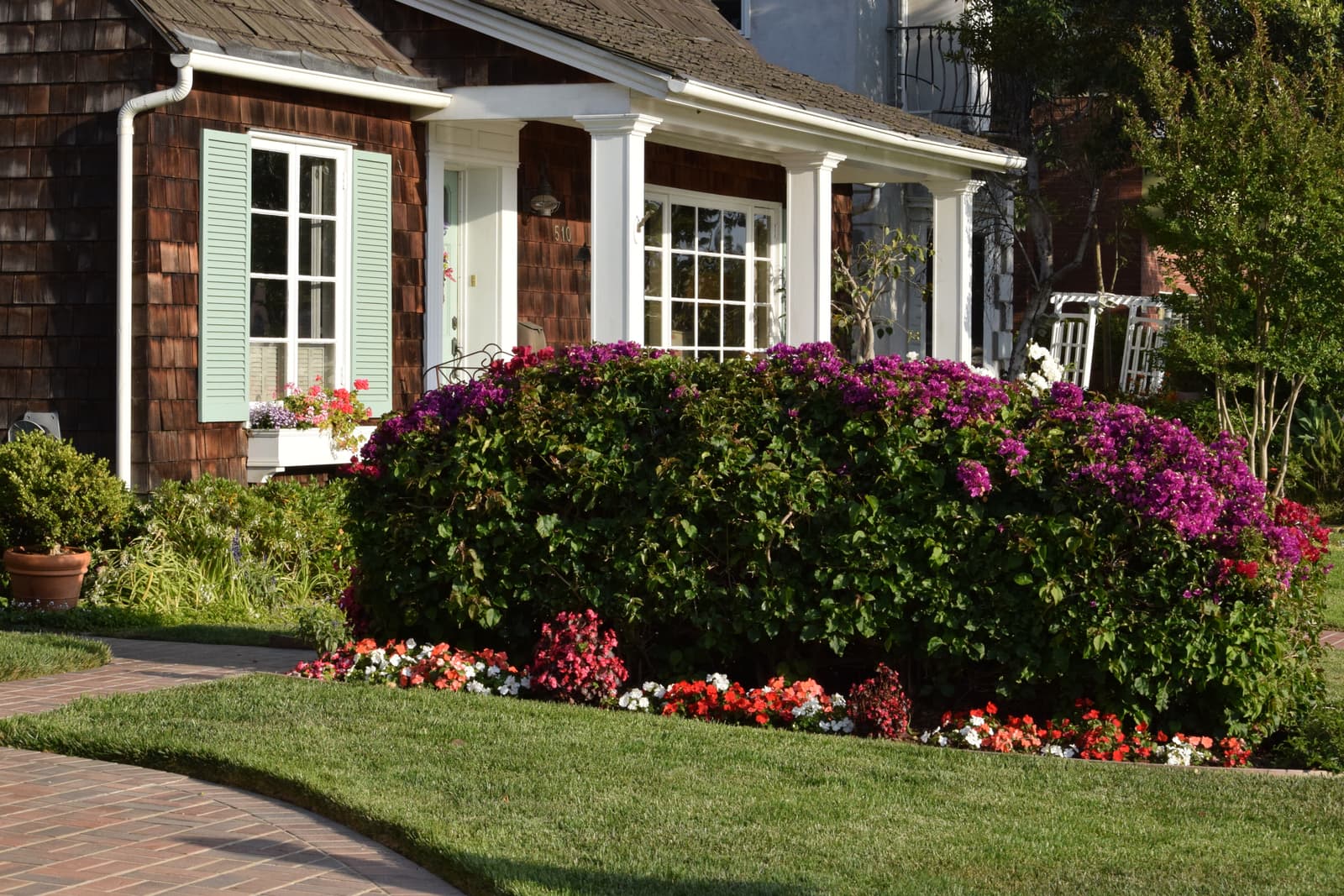
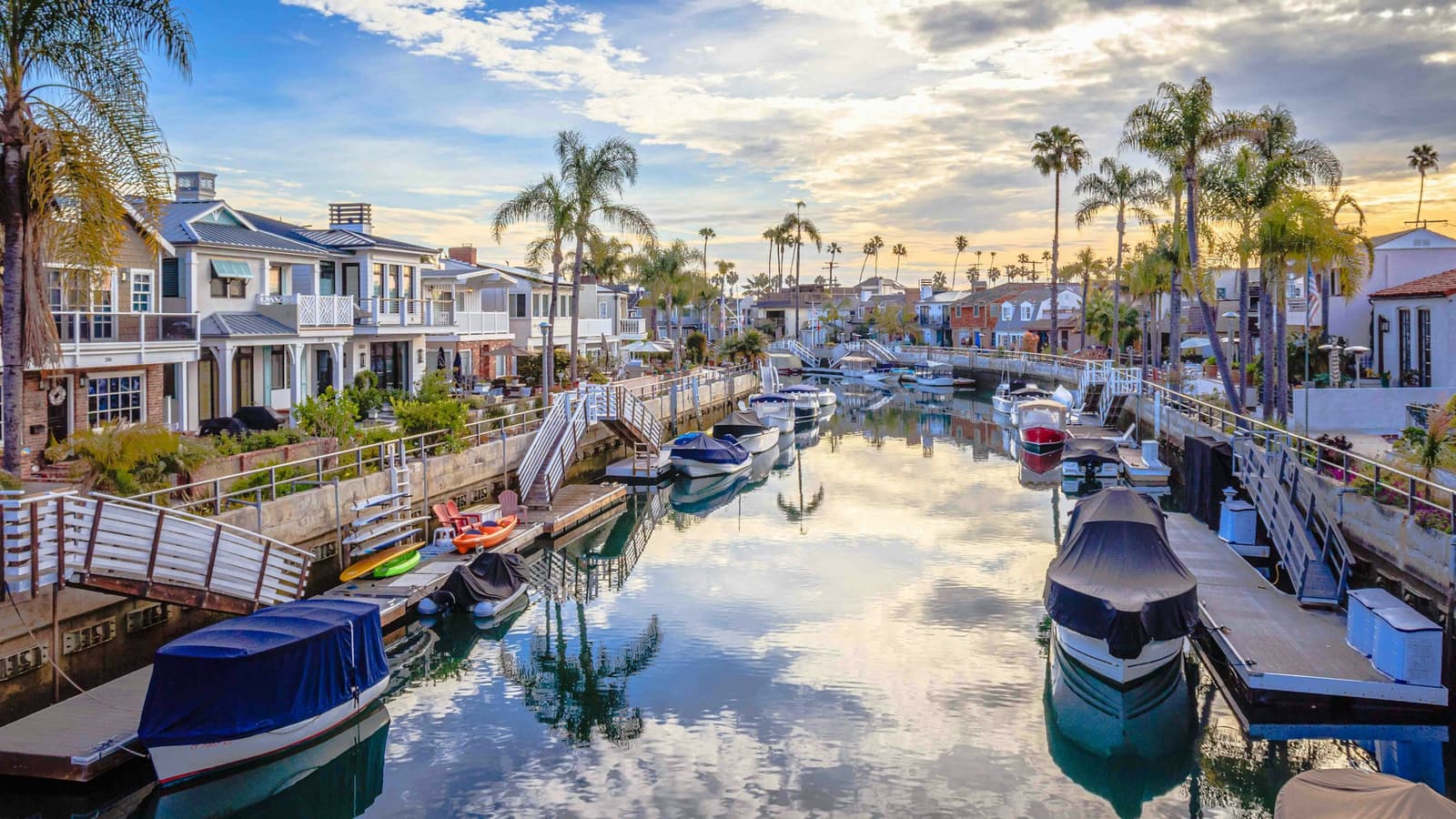
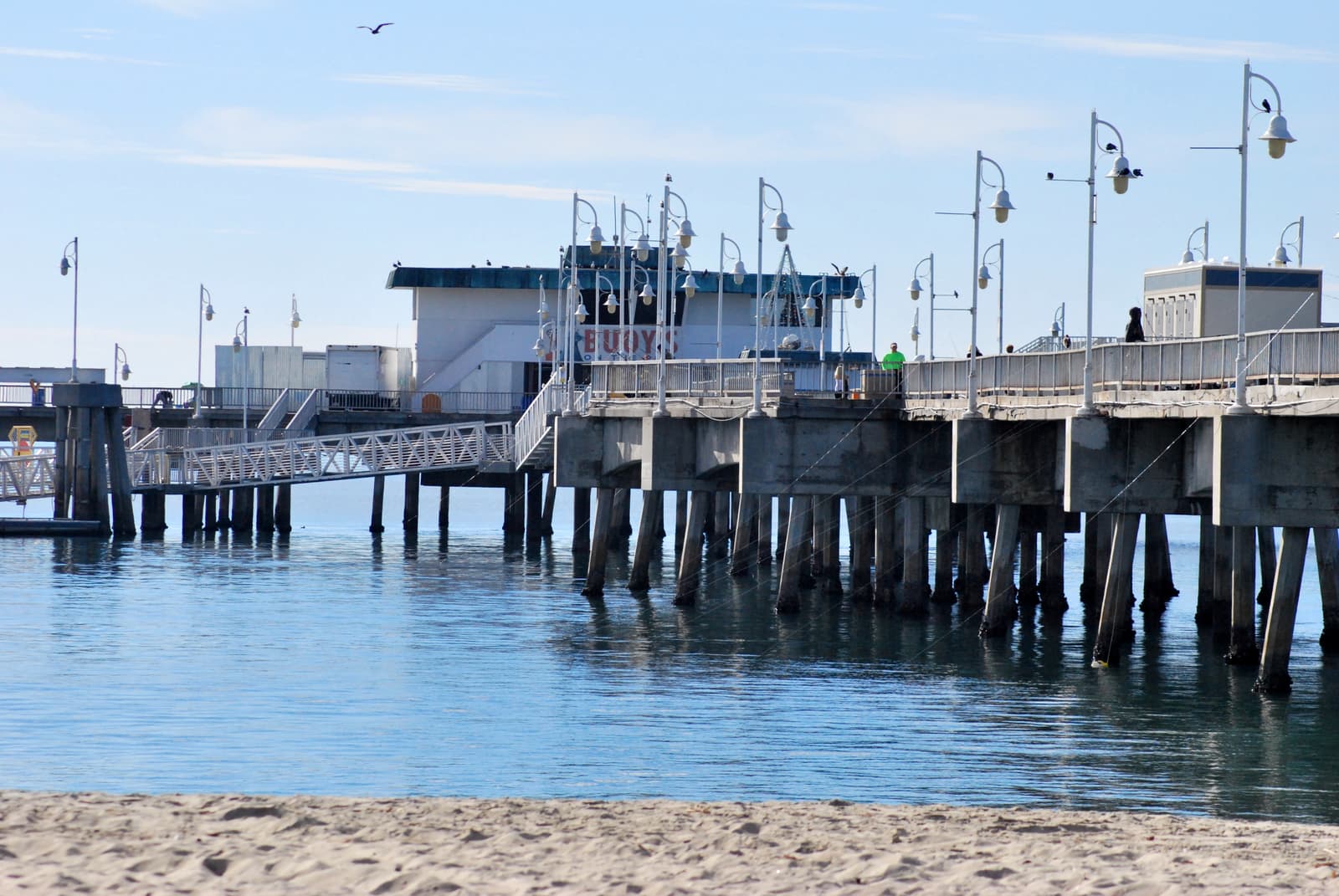
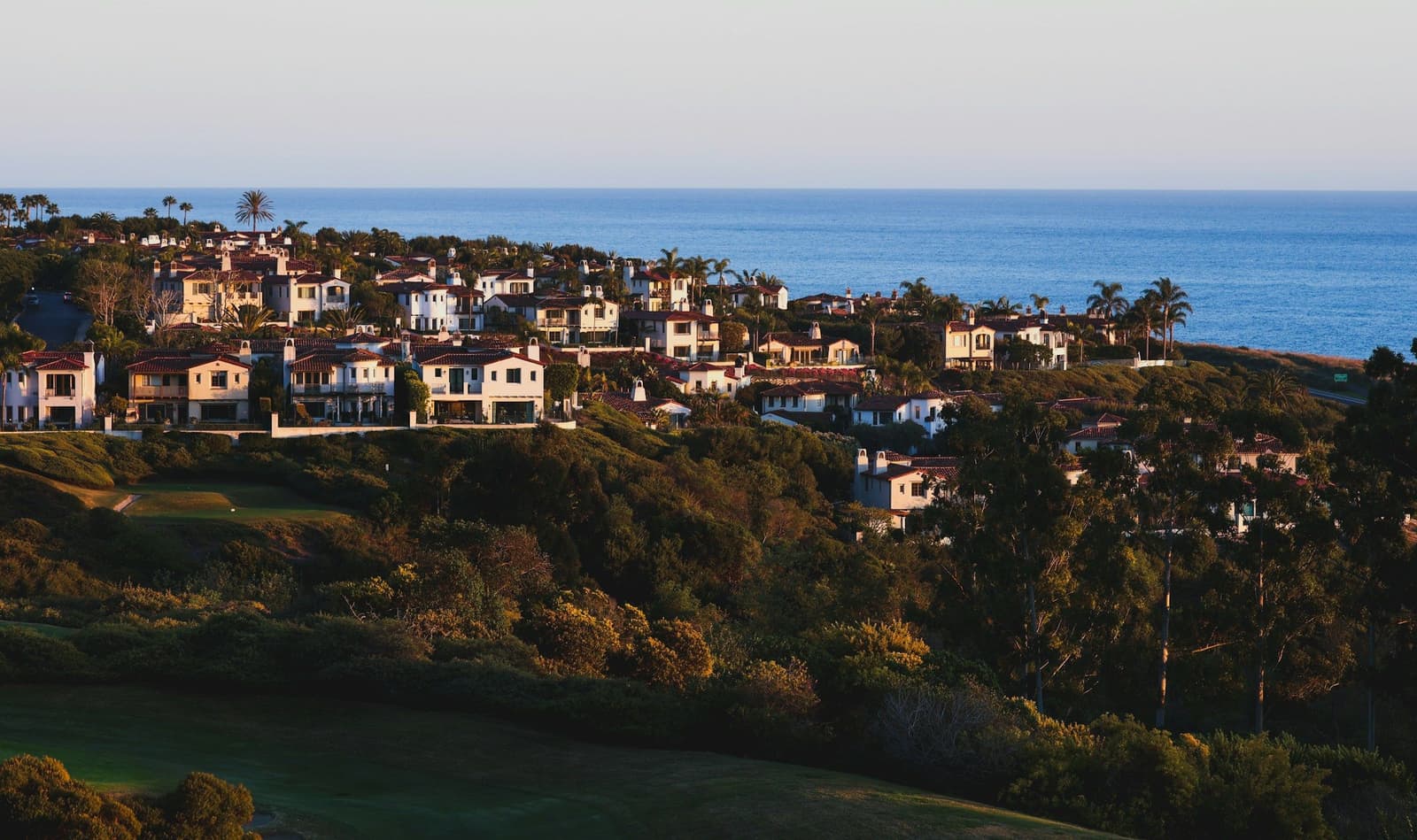
Sand Section$5.75M
Tree Section$4.9M
Hill Section$8.38M
$5MManhattan Beach
Sand, Tree or Hill Section: which part of Manhattan Beach is best to live in?
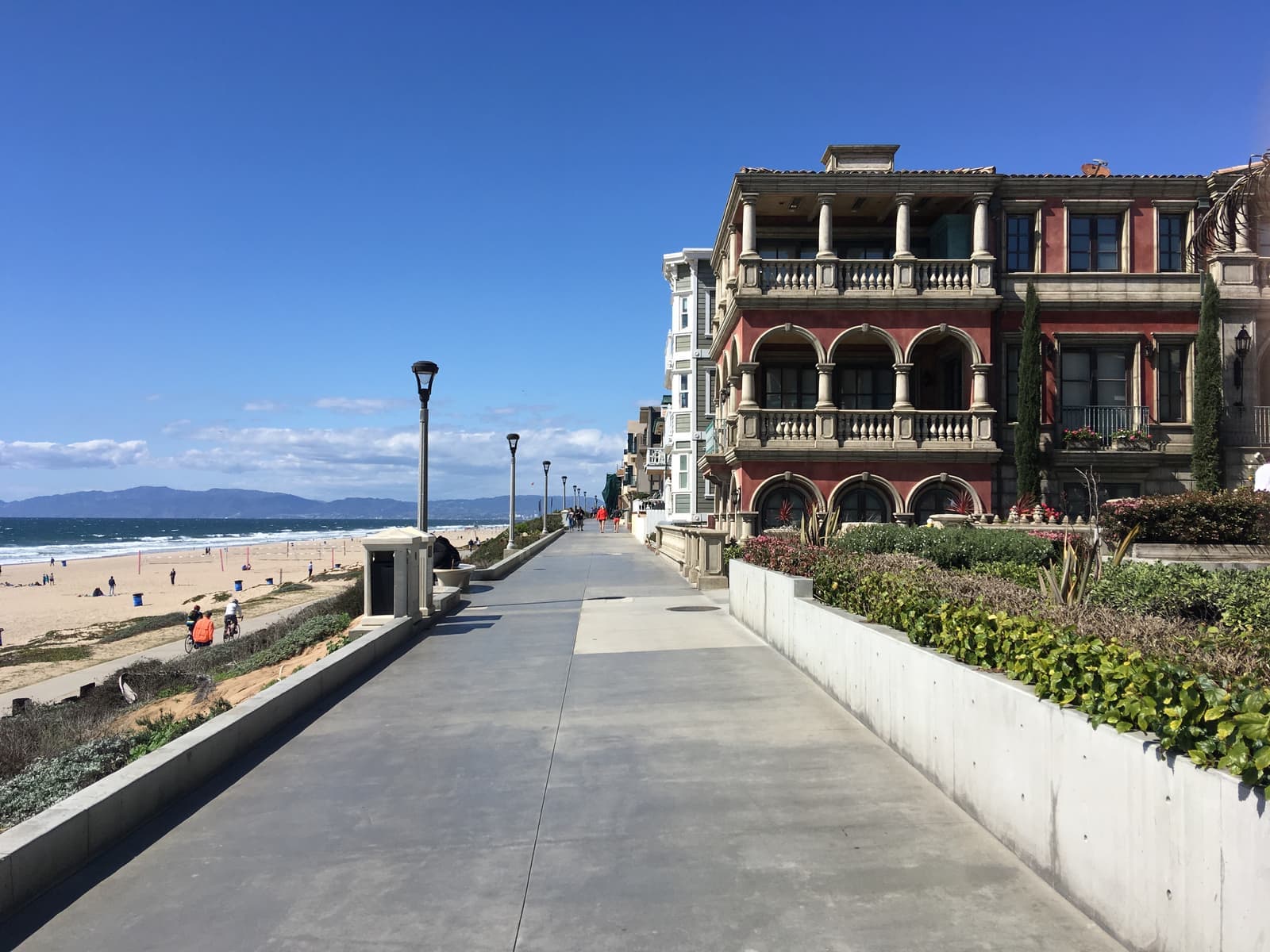
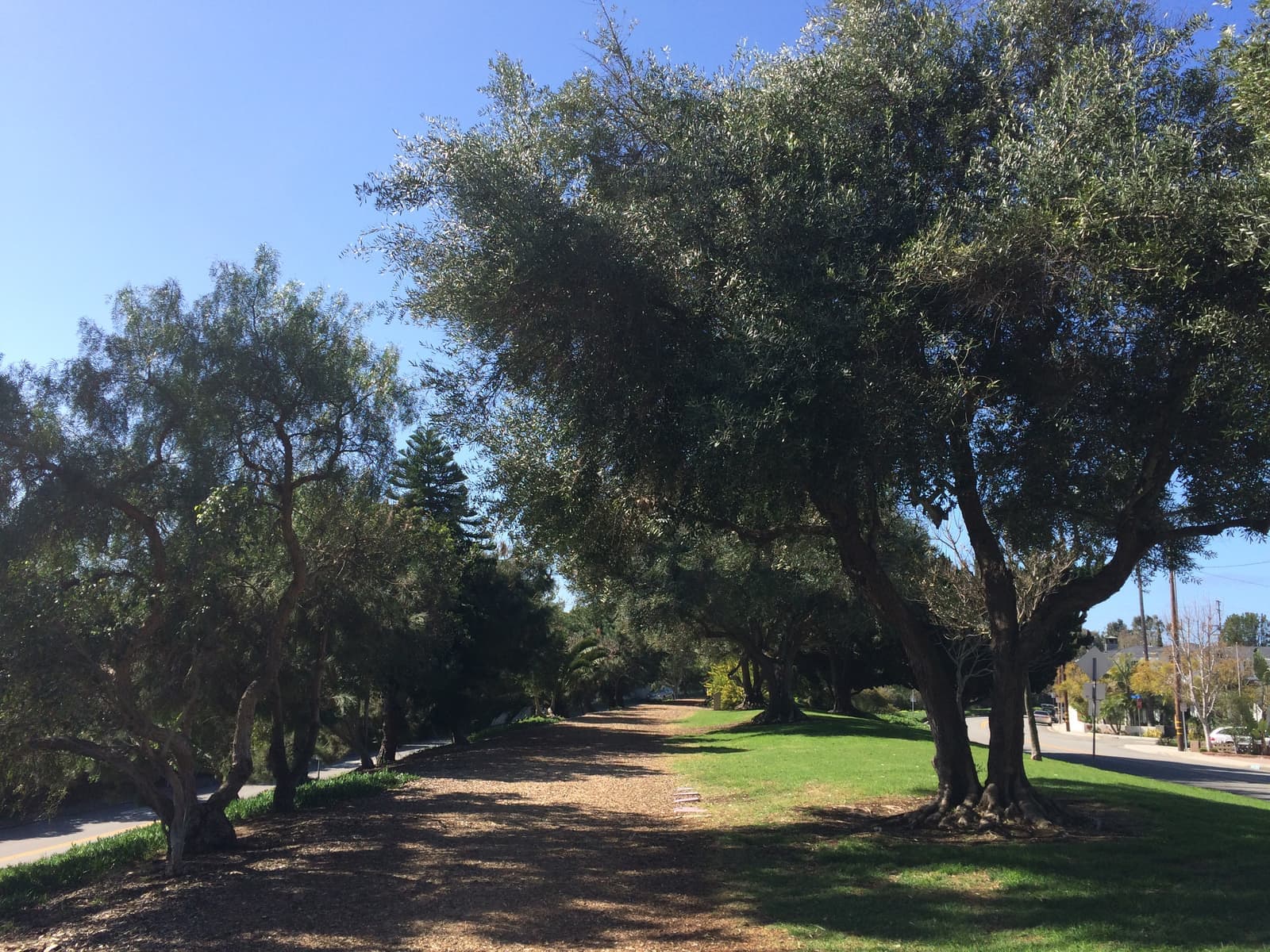
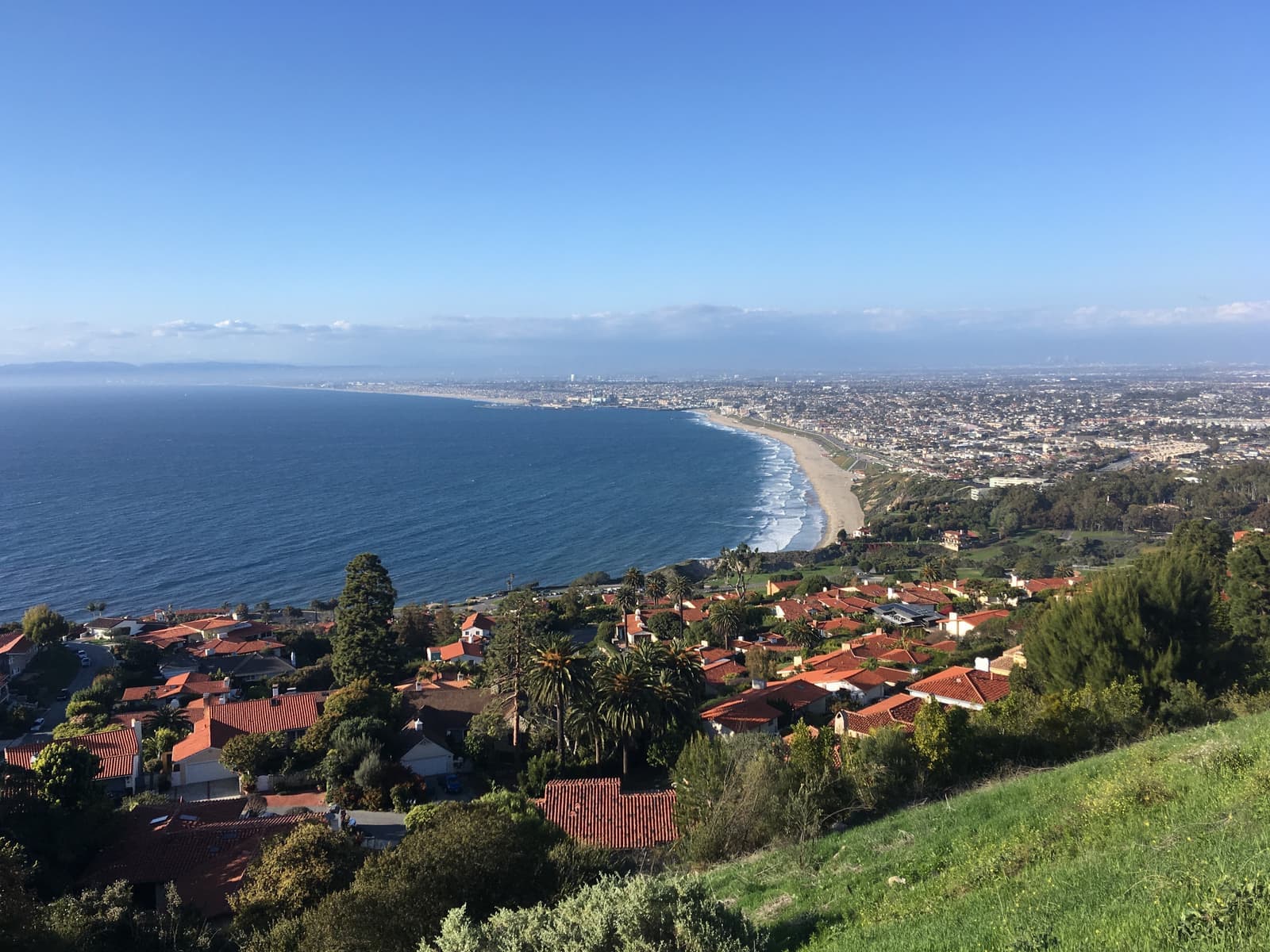
The Sand Section if you want to walk to the beach, the pier and downtown and don't mind a small lot; the Tree Section if you want a family house on a lot close to twice that size; the Hill Section if you want the biggest lots and, on many streets, an ocean view. All three are in Manhattan Beach Unified and share one middle school and Mira Costa High. In late September 2026, Sand Section houses off the Strand asked about $2.2 million to $14.3 million, Tree Section houses about $2.8 million to $8.75 million, and Hill Section houses $4.5 million to $11 million.
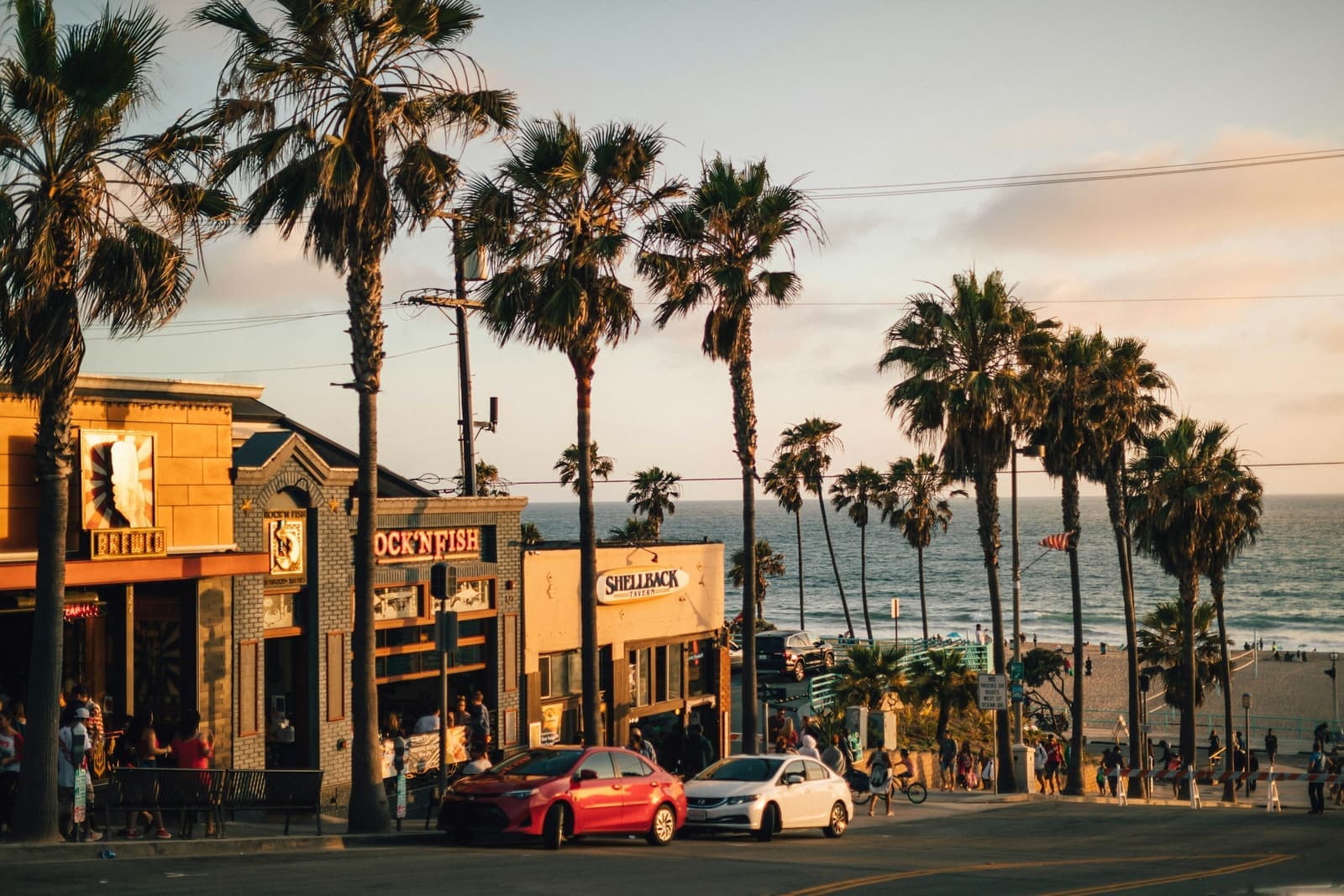

The price scale and the gauge run from one end of the Manhattan Beach neighborhoods we cover to the other. Each bar on the price per square foot card is one of them, lowest asking price first. Gray always marks the median for all of Manhattan Beach. Right now Sand Section has 37 homes for sale, Tree Section has 11 and Hill Section has 3. Asking prices for homes on the market right now inside each mapped area, not sale prices.
Updated October 3, 2026, 7:00 PM PT
Sand Section 3Tree Section 1Hill Section 4

The Sand Section runs from the ocean to the greenbelt and takes in the Strand, the walk streets, downtown and the pier. From the Tree and Hill Sections the pier is roughly a quarter mile to a mile and a half away, depending on the block.
New Hill Section lots have to be at least 7,500 square feet, the largest minimum in the city, and half the existing house lots are bigger than about 6,000. Half the Tree Section's house lots fall between about 4,480 and 5,130 square feet, and the standard Sand Section lot is 2,700.

The ground climbs from about 90 feet at the greenbelt to about 225 feet near Sepulveda, so many western streets look out over the beach blocks to the water. There's no view ordinance, though; the height limit is what protects a view.

In late September 2026 the Tree Section's original 1950s and 1960s houses asked about $2.8 million to $3.05 million, in a neighborhood where lots run close to twice the size of a standard beach lot. The lowest Hill Section asking price was $4.5 million.
The Sand Section allows 30 feet, three stories and floor area of 1.6 times the lot, about 4,320 square feet on a 2,700-square-foot lot. The Tree and Hill Sections cap houses at 26 feet and two stories, with floor area well under the lot size.

About two-thirds of Sand Section parcels are zoned for more than one unit, and the city's ban on stays under 30 days doesn't apply to the roughly 71% of parcels inside the Coastal Zone. The Tree and Hill Sections are outside the Coastal Zone, so the ban applies there.

County records date 43% of Hill Section houses to 1990 or later, compared with about 36% in the Sand Section and 34% in the Tree Section.

On the district's 2015 attendance map the entire Hill Section falls in Robinson Elementary's area. The Tree Section splits between Pacific and Grand View, and the Sand Section is split too.

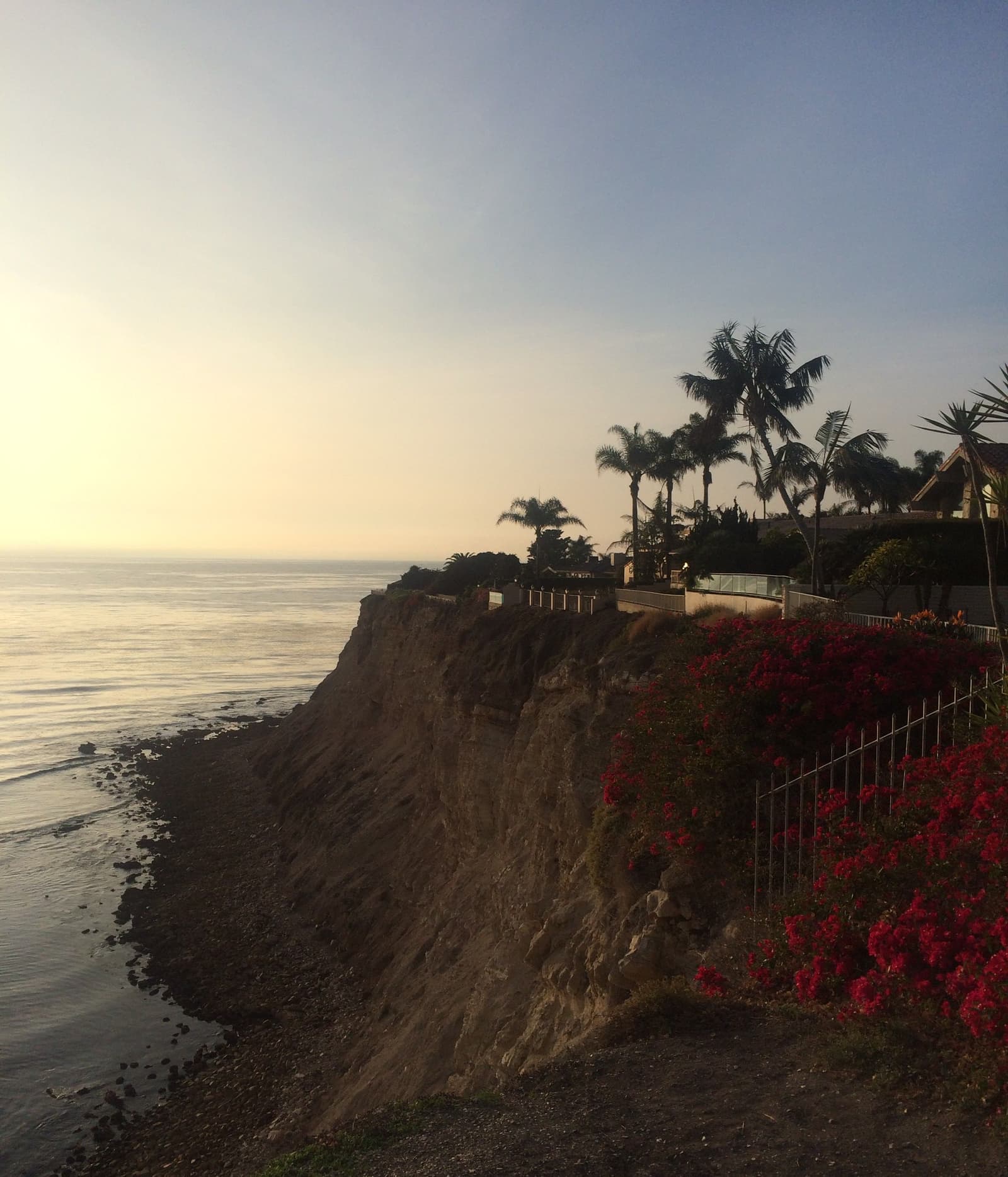
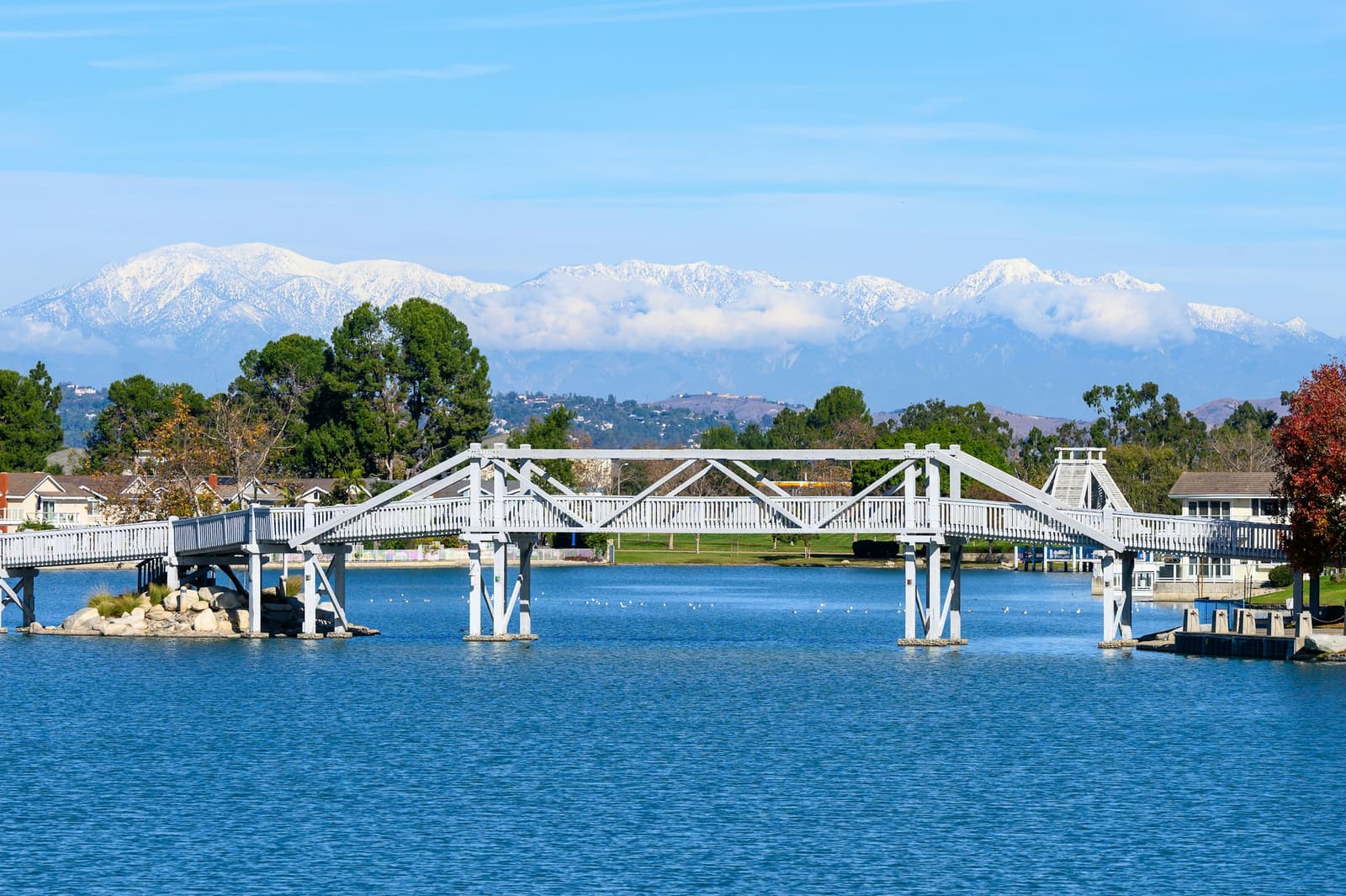
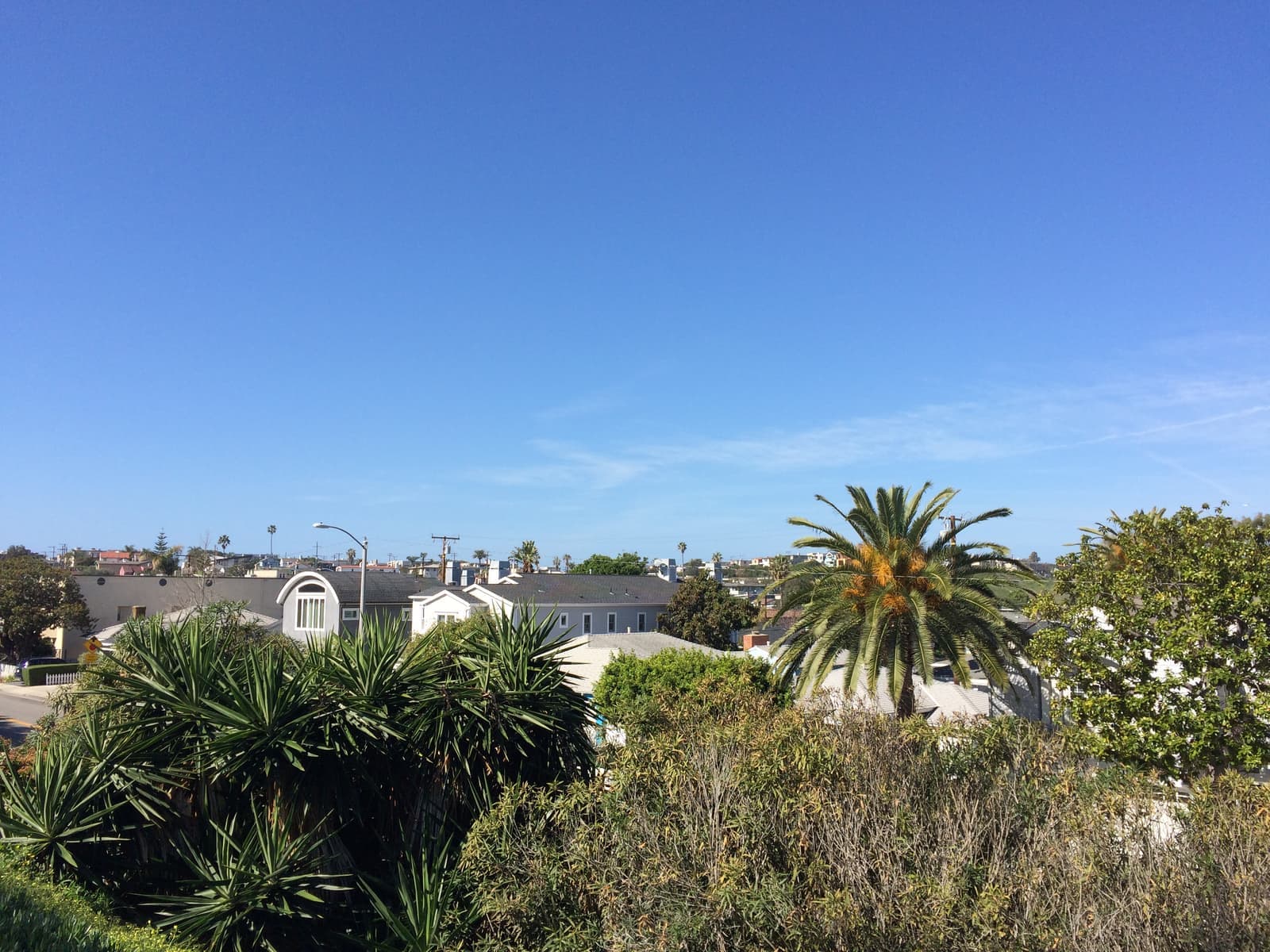
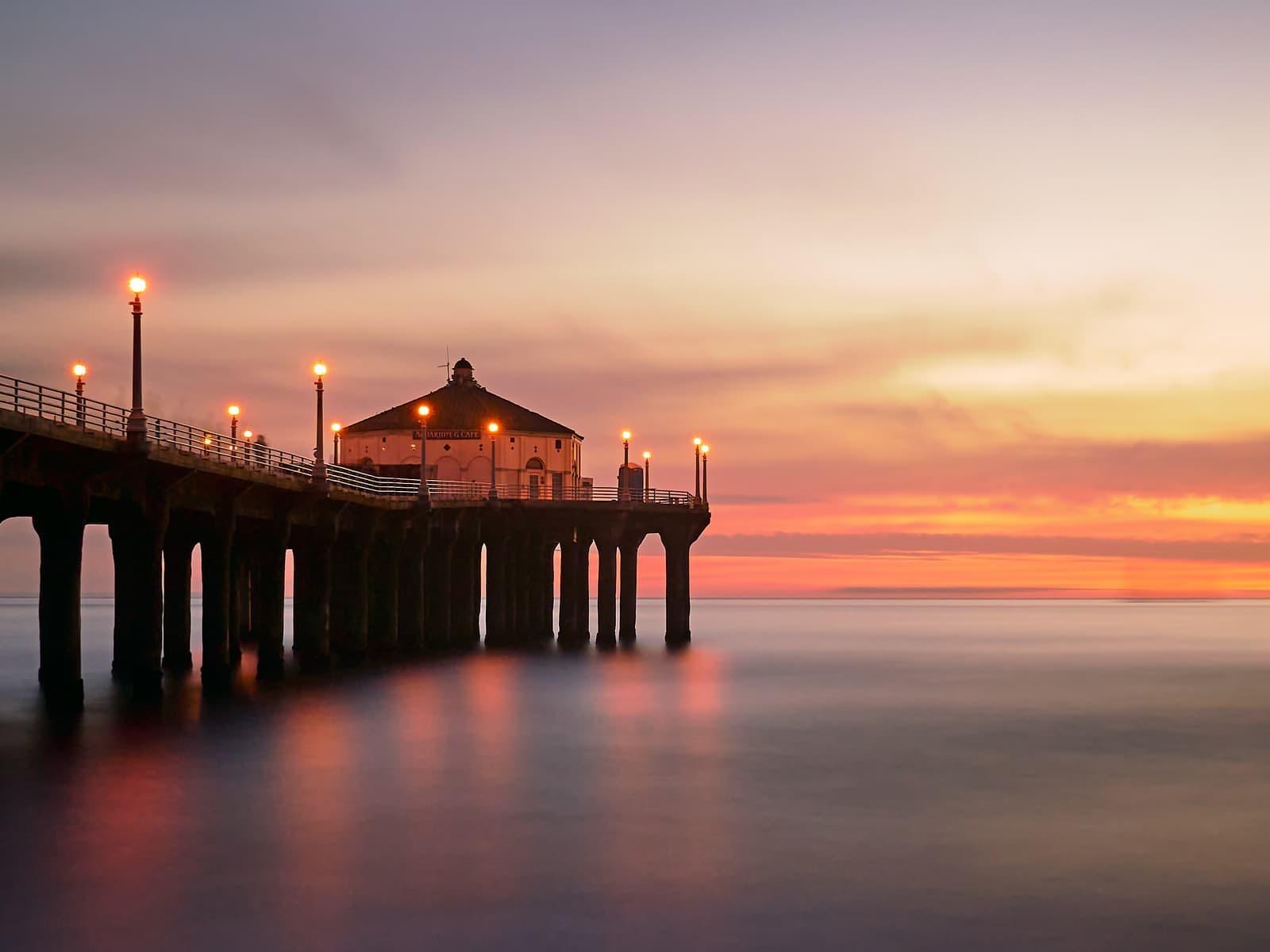
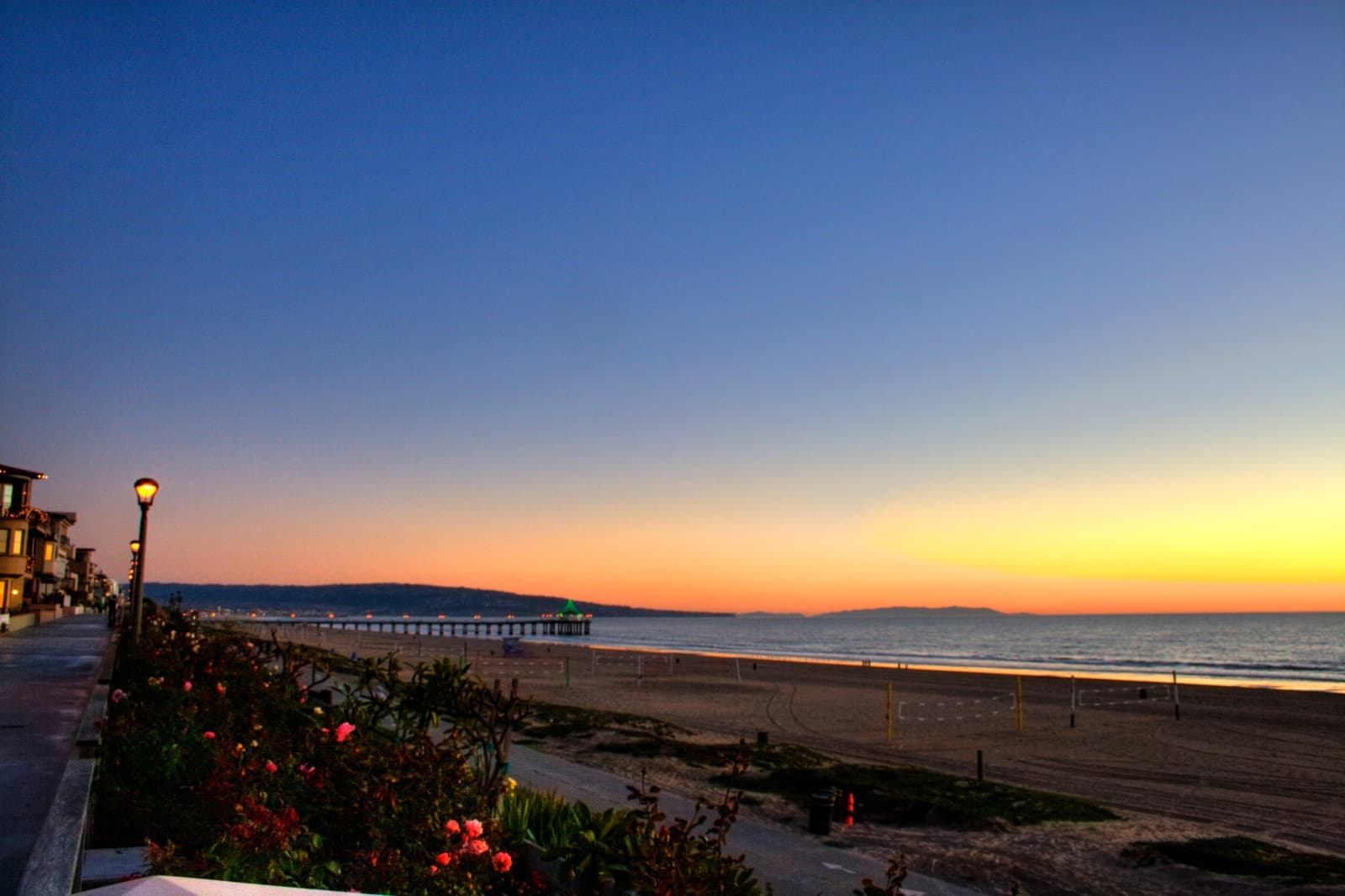
The beach blocks west of the greenbelt, where most lots measure 30 by 90 feet
Median asking $5.75M
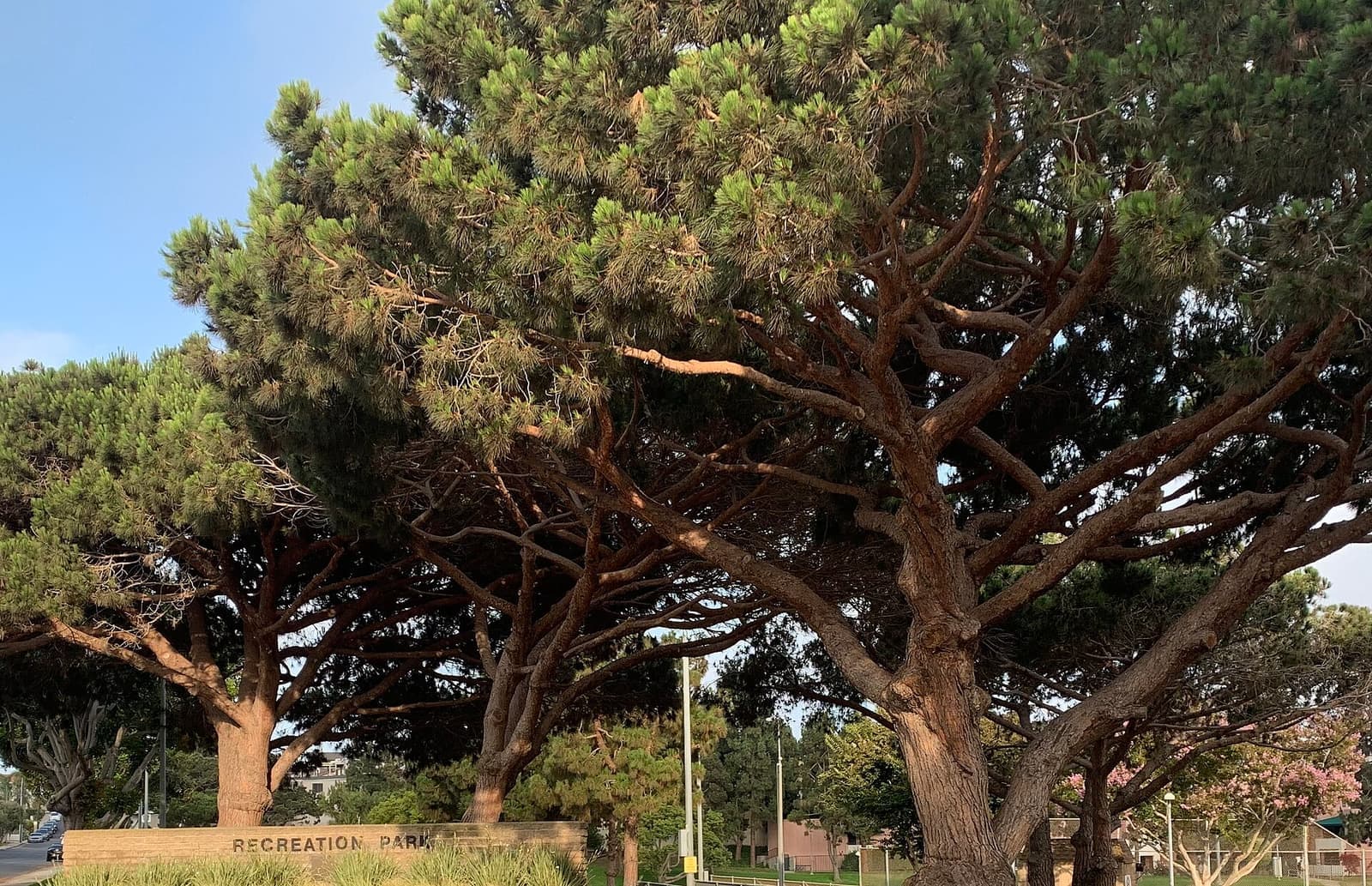
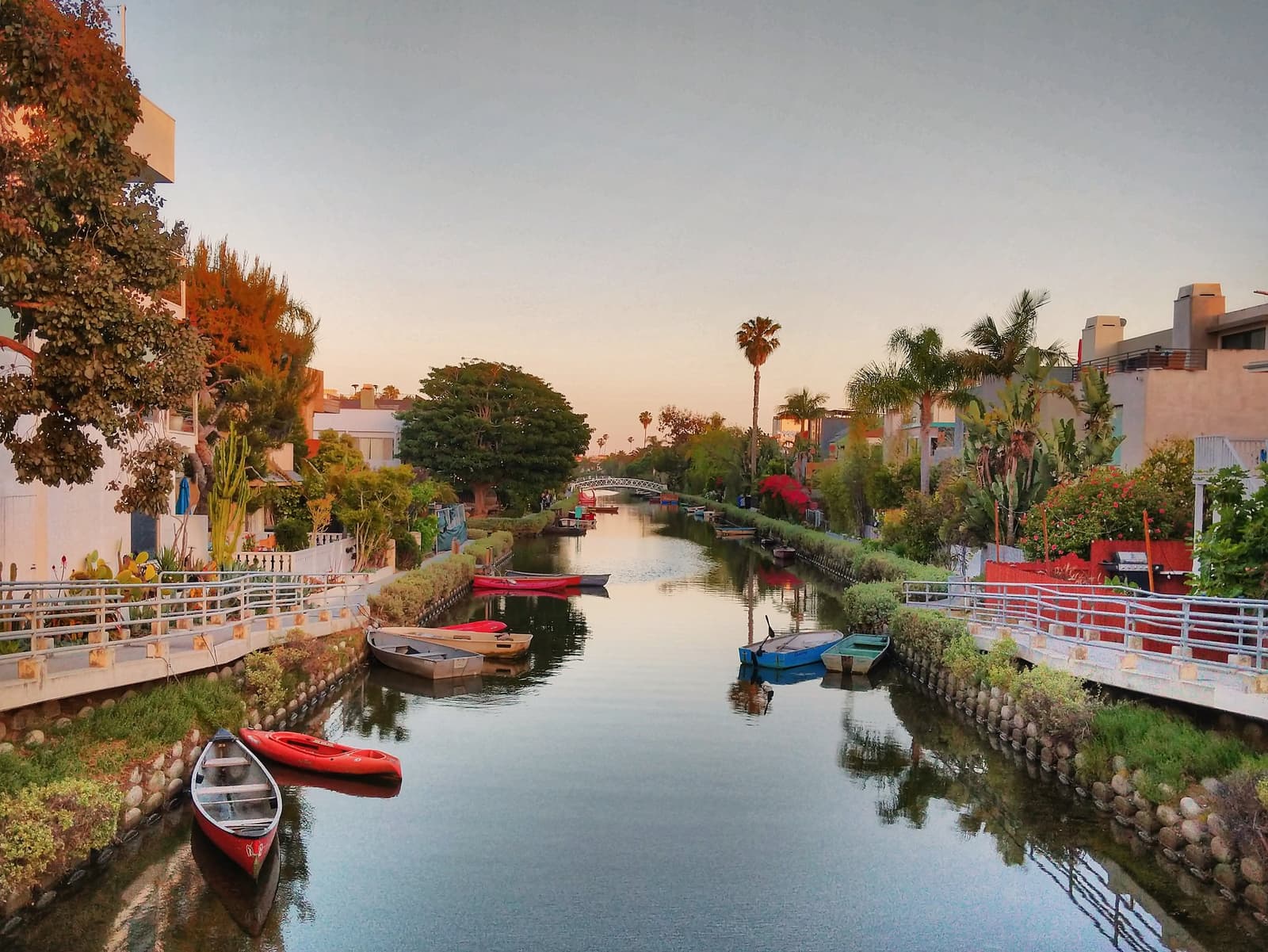
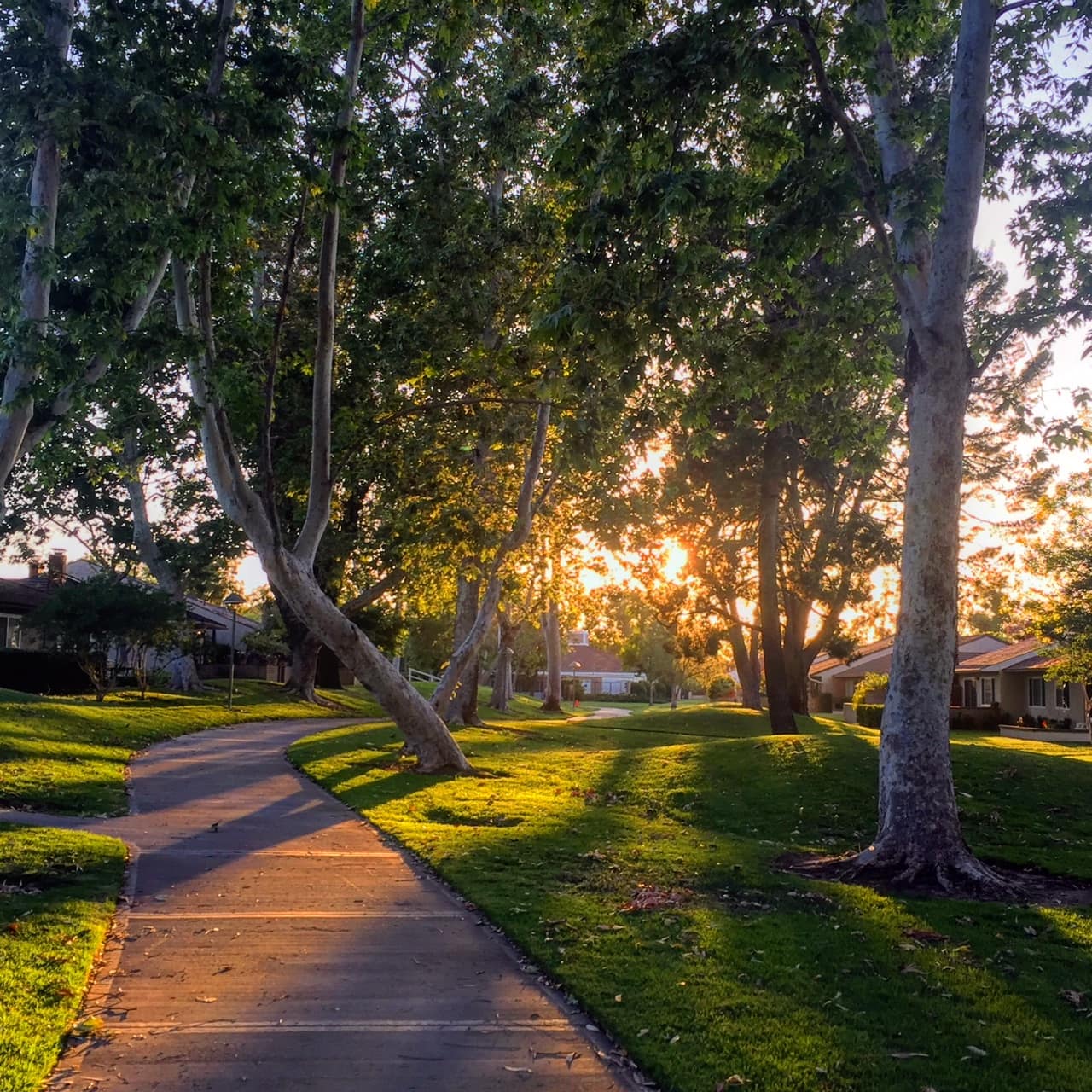
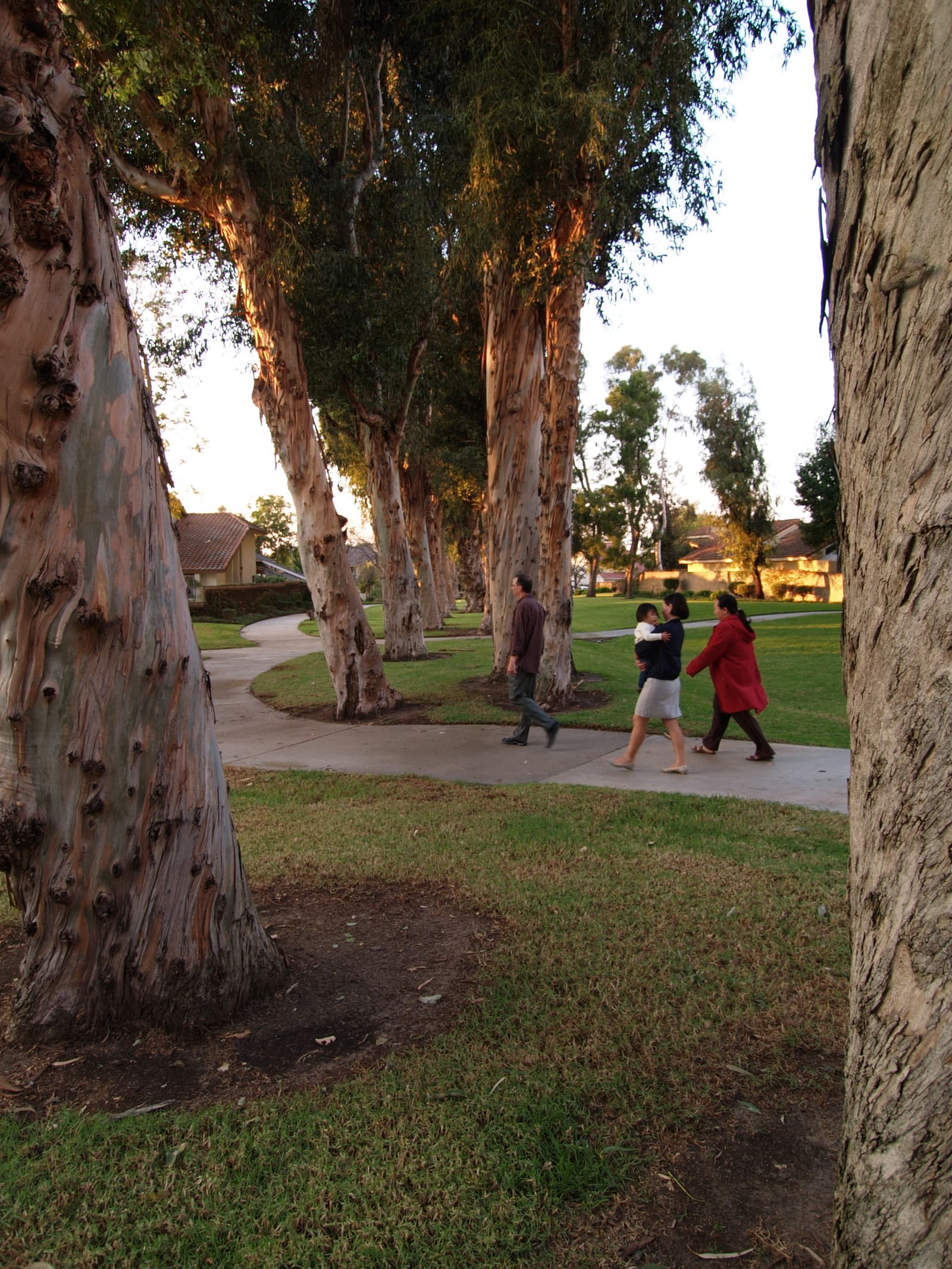
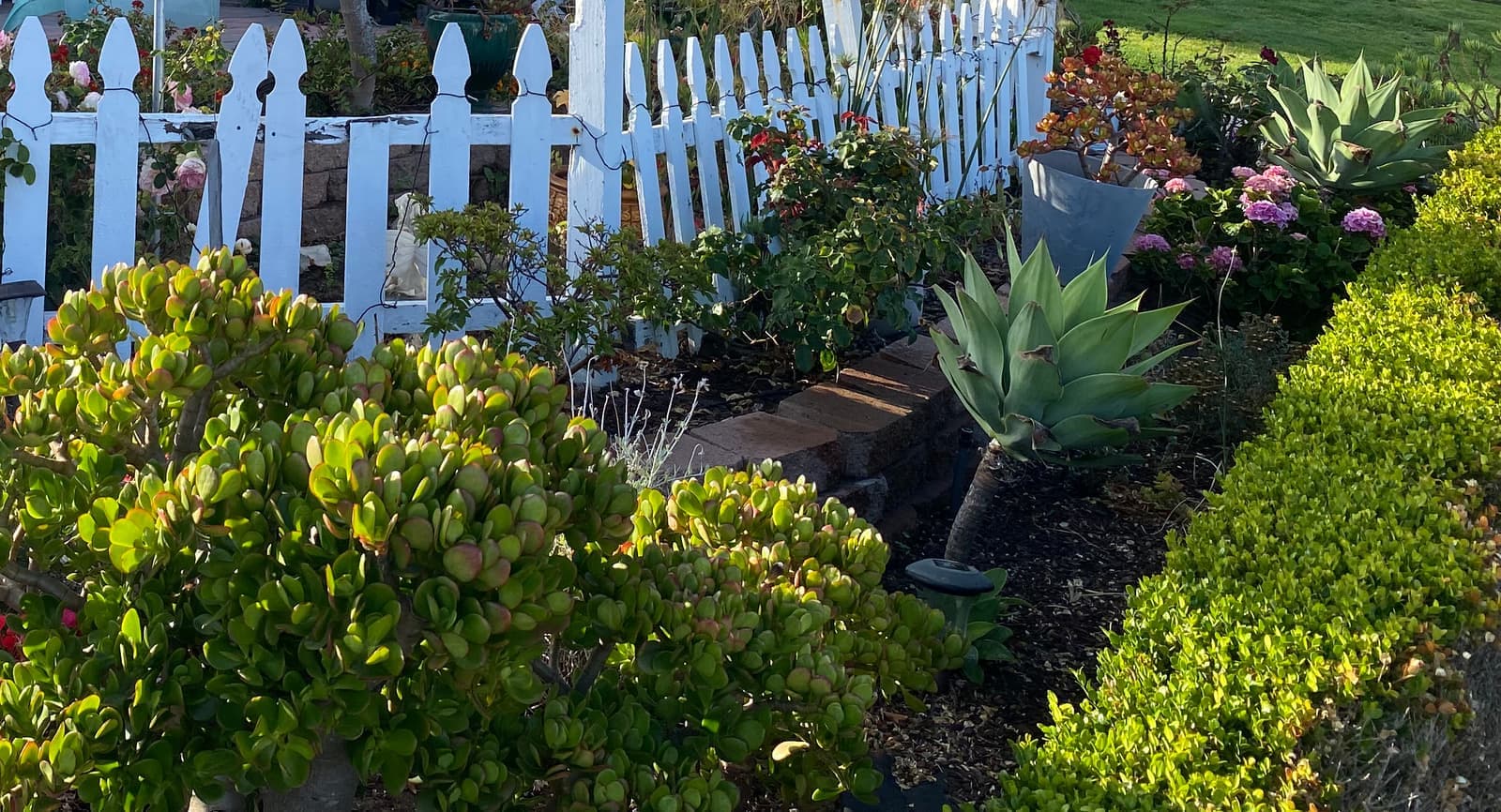
Postwar lots about 40 feet wide, north of Manhattan Beach Boulevard and west of Sepulveda, where the original houses keep coming down for two-story rebuilds
Median asking $4.9M
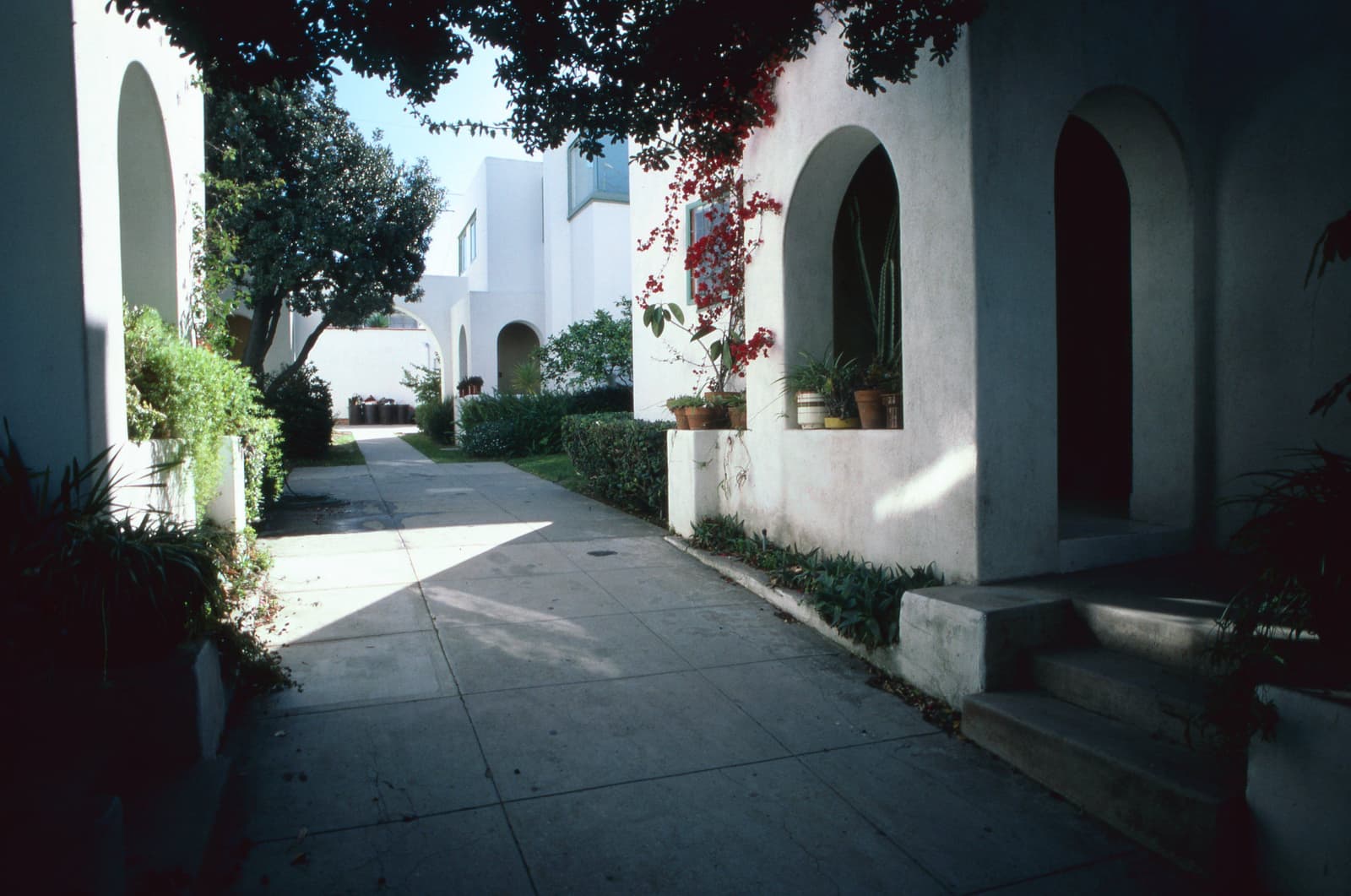
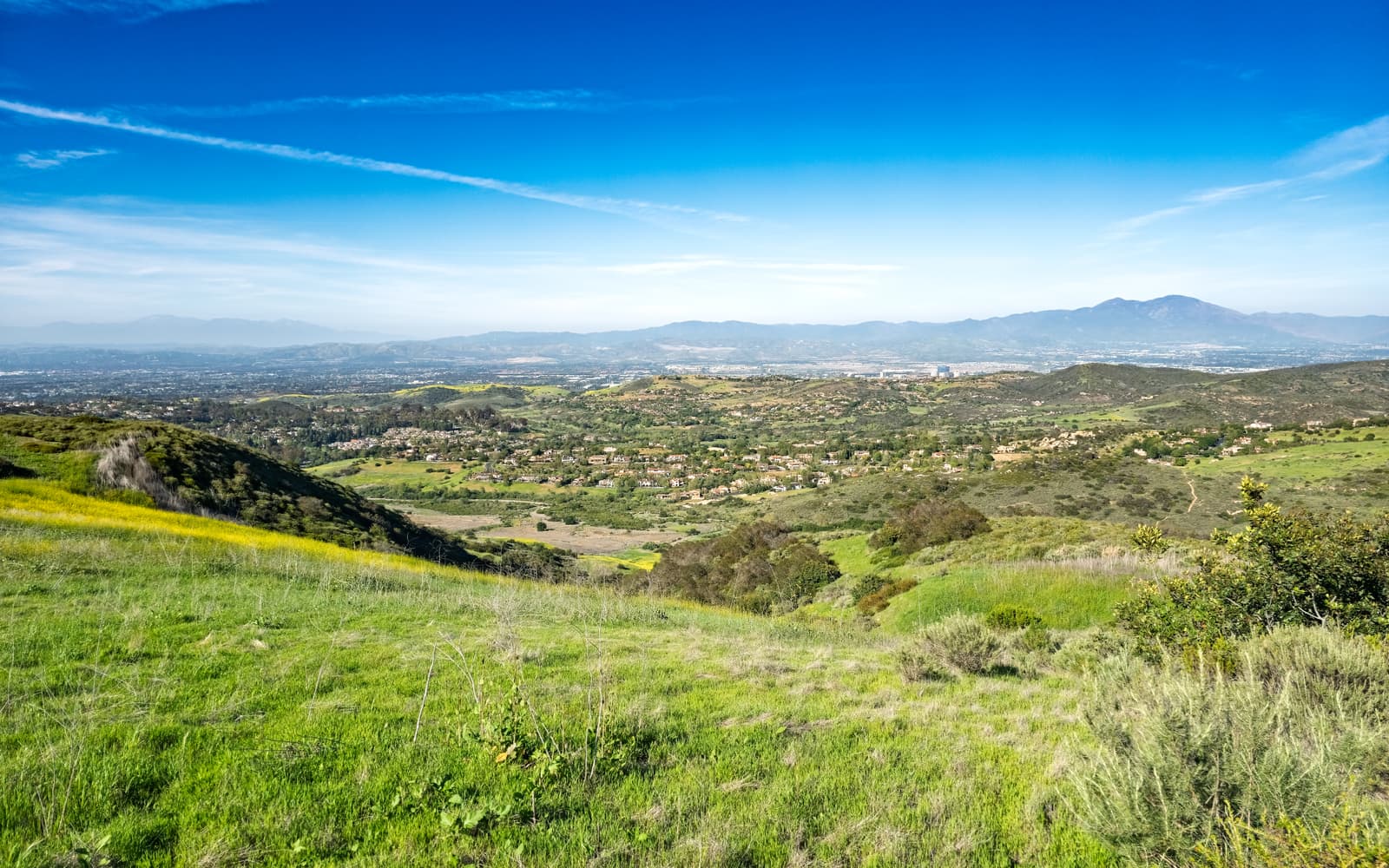
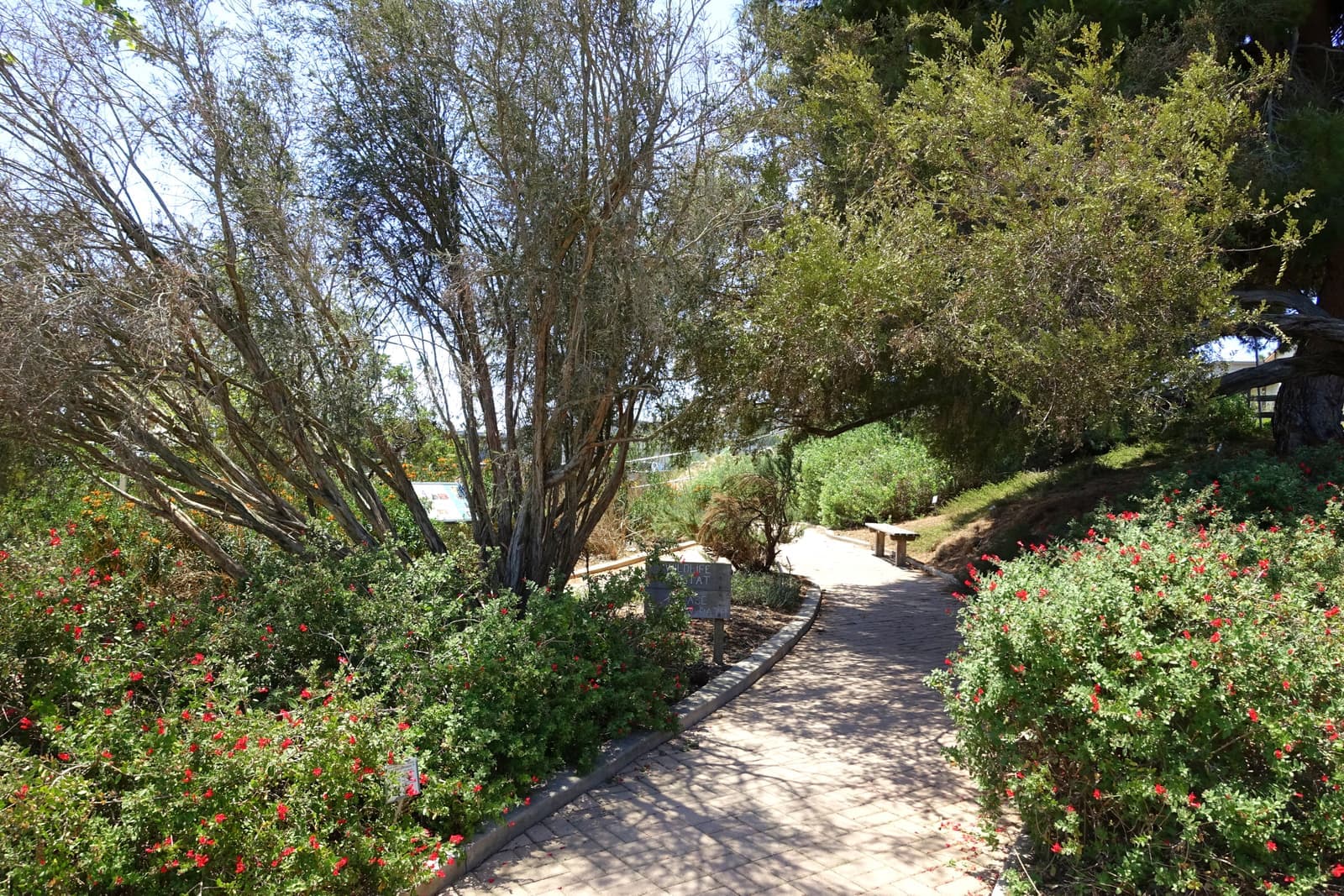
The biggest lots west of Sepulveda, on a slope south of Manhattan Beach Boulevard that climbs to about 225 feet
Median asking $8.38M
| Sand Section | Tree Section | Hill Section | |
|---|---|---|---|
| Typical lot | 30 by 90 ft, or 2,700 sq ft; about one in five is a half lot | About 40 ft wide; half fall between about 4,480 and 5,130 sq ft | Half are over about 6,000 sq ft; new lots need 7,500 |
| Housing mix | About 2,100 houses, 1,100 lots with duplexes or small apartments, 860 condo units | About 2,950 houses; almost all zoned single-family | About 820 houses; almost all zoned single-family |
| Age of houses | 43% built before 1960; 36% in 1990 or later | 46% built 1940 to 1959; 34% in 1990 or later | 34% built before 1960; 43% in 1990 or later |
| House asking prices (late Sept 2026) | About $2.2M to $14.3M off the Strand; about $9.6M to $25M on it | About $2.8M to $8.75M (12 for sale) | $4.5M to $11M (5 for sale) |
| Sand Section | Tree Section | Hill Section | |
|---|---|---|---|
| Where | Ocean to the Veterans Parkway greenbelt, El Porto to Hermosa Beach | North of Manhattan Beach Blvd and west of Sepulveda, up to Rosecrans | South of Manhattan Beach Blvd and west of Sepulveda, down to the Hermosa Beach line |
| Elementary school (2015 MBUSD map) | Split by attendance area; Grand View and Robinson both sit inside | Mostly Pacific; the northwest corner is Grand View | Robinson for the whole section |
| To the pier | The pier is in the Sand Section, with the Strand and downtown | About a quarter mile to a mile and a half | About a quarter mile to a mile |
| Sand Section | Tree Section | Hill Section | |
|---|---|---|---|
| Zoning district | Area Districts III and IV (MLS area 142) | Area District II (MLS area 143) | Area District I (MLS area 144) |
| Height and floor area | 30 ft, three stories; 1.6 times the lot | 26 ft, two stories; 0.7 times the lot on lots up to 4,800 sq ft | 26 ft, two stories; 240 sq ft plus 0.65 times the lot |
| Rentals under 30 days | City ban doesn't apply in the Coastal Zone, about 71% of parcels | Banned; outside the Coastal Zone | Banned; outside the Coastal Zone |
The greenbelt separates the beach side from the other two, and Manhattan Beach Boulevard is the line between the Tree and Hill Sections.

The Sand Section is everything between the ocean and the Veterans Parkway greenbelt on Valley Drive and Ardmore Avenue, from El Porto at the El Segundo line down to Hermosa Beach. It includes the Strand, the walk streets, downtown and the 928-foot pier. On a walk street the houses face a public walkway and the garage is on the alley behind, and from most of the Sand Section you can walk to the beach and to restaurants.
East of the greenbelt, Manhattan Beach Boulevard divides the other two, and Sepulveda Boulevard is the east edge of both. The Tree Section runs north to Rosecrans Avenue: a grid of family houses, nearly half of them built from 1940 to 1959, on avenues like Palm, Walnut, Pine, Elm and Oak, with Pacific Elementary inside it and Live Oak Park across Valley Drive. The Hill Section runs south to the Hermosa Beach line and climbs from about 90 feet above sea level at the greenbelt to about 225 feet near Sepulveda, so many of its streets look west over the beach blocks to the ocean.
The city's own documents disagree about one corner. The blocks around Grandview Avenue near Sand Dune Park are Tree Section in the city's General Plan but Area District III on the zoning map, and our guides put them in the Sand Section.
The zoning code sets different limits for each section, and they decide how big a rebuild can be.
The standard Sand Section lot is 30 by 90 feet, 2,700 square feet, and about one in five house lots is a half lot of 1,500 square feet or less. The code allows 30 feet, three stories and floor area of 1.6 times the lot, about 4,320 square feet on a standard lot, with a 5-foot front setback. That's why a typical rebuild there is a three-level house with a full basement. Two-thirds of the parcels are zoned for more than one unit, which is where the duplexes and small apartment buildings come from.
The Tree and Hill Sections allow 26 feet and two stories, with a 20-foot front setback. Tree Section lots are usually about 40 feet wide, and floor area there is 0.7 times the lot, about 3,250 square feet on a typical 4,650-square-foot lot. The Hill Section has the largest minimum lot size in town, 7,500 square feet for new lots, and floor area there is 240 square feet plus 0.65 times the lot, about 5,115 square feet on a 7,500-square-foot lot. In all three, up to 400 square feet of garage and a basement that's fully below grade don't count toward floor area, and the code says the height and floor-area limits can't be raised without a citywide vote.
A few other rules apply only in some of the sections. Front-yard trees 12 inches or more across are protected in the Tree and Hill Sections, and removing one takes a city permit. On Sand Section walk streets, the planted area in front of the house is usually public right-of-way, used under an encroachment permit that's recorded against the property. In the Tree and Hill Sections, the city's SB 9 rules allow two main houses on a single-family lot and up to four units counting ADUs, none of them rentable for under 30 days.
Sand Section prices vary the most, and the Hill Section had only five houses for sale.

When I pulled listings in late September 2026, the Sand Section had 35 properties for sale. Houses off the Strand asked about $2.2 million to $14.3 million, the six on the Strand about $9.6 million to $25 million, inland duplexes and triplexes about $2.5 million to $6.5 million, and four condos and townhomes about $3 million to $5.5 million.
The Tree Section had 12 houses for sale at about $2.8 million to $8.75 million. The three from the 1950s and 1960s asked about $2.8 million to $3.05 million, and at that price I look at them as lots. The five built since 2014 asked about $4.75 million to $8.75 million. The Hill Section had five, from $4.5 million for a 1950s house to $11 million, with the two newest at about $8.4 million and $11 million.
The Hill Section's five listings are a thin sample, and the Tree Section's range is really two markets: original houses priced as lots and new construction. I'd price a specific house off recent sales on similar lots, not off these ranges, and the live numbers on this page may already differ from the ones I pulled.
What you get in each section, and what to check before you buy.
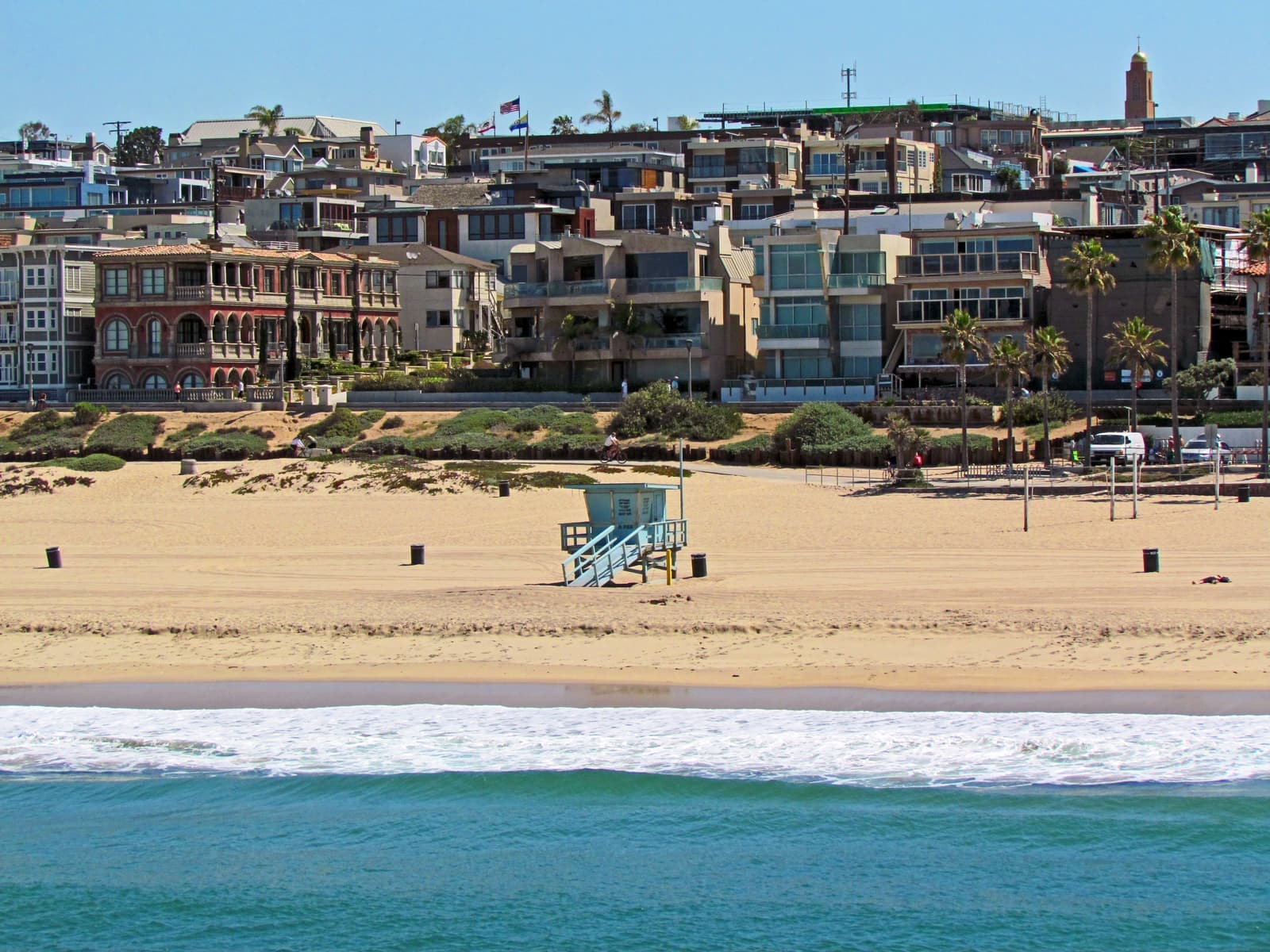
The Sand Section puts the beach, the Strand and downtown within walking distance, but parking can be hard and there's more paperwork when you build. Walk-street and Strand houses rely on alley garages, downtown meters cost $3.50 an hour in peak season under rates adopted in July 2026, and the Lot 3 structure at 12th Street and Morningside Drive closed in 2024 and is now a temporary surface lot. About 71% of the parcels are in the Coastal Zone, where new construction and major remodels need a coastal development permit. On FEMA's map the streets and the Strand are zone X, minimal flood hazard, except near the far south end of the Strand, and the sand itself is in zones AE and VE.
The Tree Section gets you a family house on a bigger lot, but check how close the house is to the section's edges. Sepulveda Boulevard is State Route 1, and the blocks next to it get the traffic noise. Chevron's El Segundo refinery sits just north of Rosecrans Avenue, and the city's Noise Element singles out homes facing Rosecrans. A large fire there on October 2, 2025 caused no hazard to Manhattan Beach, according to fire officials, but it's fair to factor that in on the north end. Some streets have resident permit parking, with up to three hangtags per household.
The Hill Section has the biggest lots and, on many streets, an ocean view, but the blocks along Sepulveda are louder, and only the height limit protects a view. Neighbors downhill can build up to 26 feet and to the full floor-area limit, so I look at what the lots between a house and the ocean could legally become, and I order a topographic survey with the four corner elevations, because height is measured from them. LAX is about 4 miles north, and the city's Noise Element says some arriving planes pass over the city.
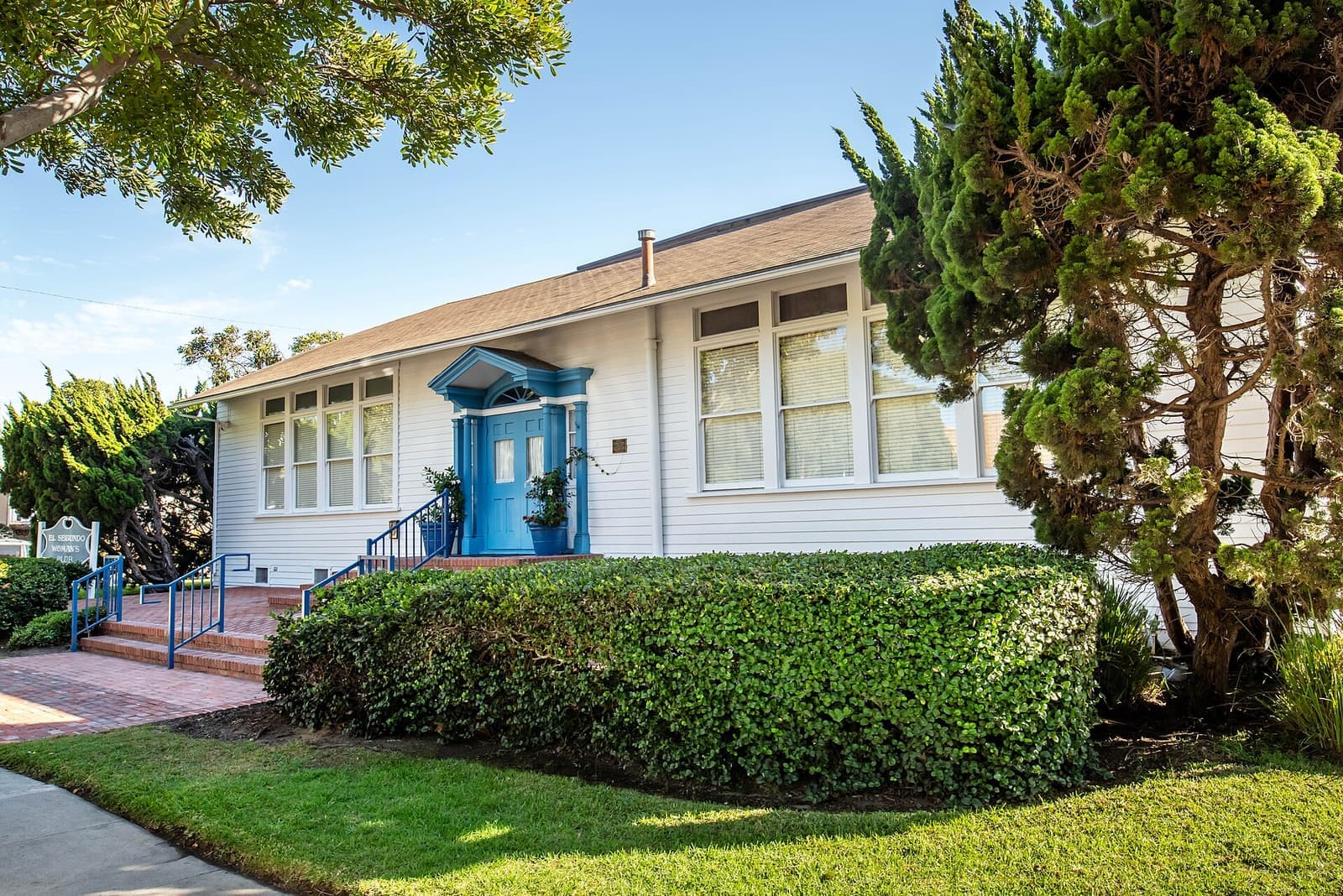
All three are in the Manhattan Beach Unified School District, which had 5,905 students in 2025-26 and runs five elementary schools, one middle school and Mira Costa High School. The middle and high school are the same wherever you buy. The elementary school differs: on the district's attendance map, dated November 2015, the whole Hill Section is Robinson, most of the Tree Section is Pacific with the northwest corner in Grand View, and the Sand Section is split, with Grand View and Robinson both inside it. Since the map is that old, confirm the school for the exact address with the district.
Short-term rental rules depend on the Coastal Zone line. Manhattan Beach bans stays under 30 days in residential zones, but the ordinance in effect since December 2022 exempts properties inside the Coastal Zone, after the 2022 appeals ruling in Keen v. City of Manhattan Beach. That covers about 71% of Sand Section parcels, so two houses a few blocks apart can have different rental rights. The Tree and Hill Sections sit outside the Coastal Zone, so the ban applies there, and units added under SB 9 can't be rented for under 30 days either.
37 active listings in the mapped area
I’m a Long Beach Realtor and I work Manhattan Beach too. Tell me what you’re after and I’ll help you get there.
Slava Ploshkin · DRE #02323623English and Russian
11 active listings in the mapped area
3 active listings in the mapped area
The Tree or Hill Section for most families, because the lots are bigger, and the middle and high school are the same citywide anyway. The Tree Section is the cheaper of the two: its original houses asked about $2.8 million to $3.05 million in late September 2026, and Pacific Elementary sits inside the neighborhood. The Hill Section has bigger lots and one elementary school, Robinson, for the whole area. The Sand Section suits families who want to walk to the beach and don't mind a smaller lot, usually 30 by 90 feet.
The facts on this page come from our neighborhood guides and the official records below. We double-check them before every showing.