




Tree Section asks about what Manhattan Beach does as a whole.
Tree Section$4.9M
All of Manhattan Beach$5M
Postwar lots about 40 feet wide, north of Manhattan Beach Boulevard and west of Sepulveda, where the original houses keep coming down for two-story rebuilds
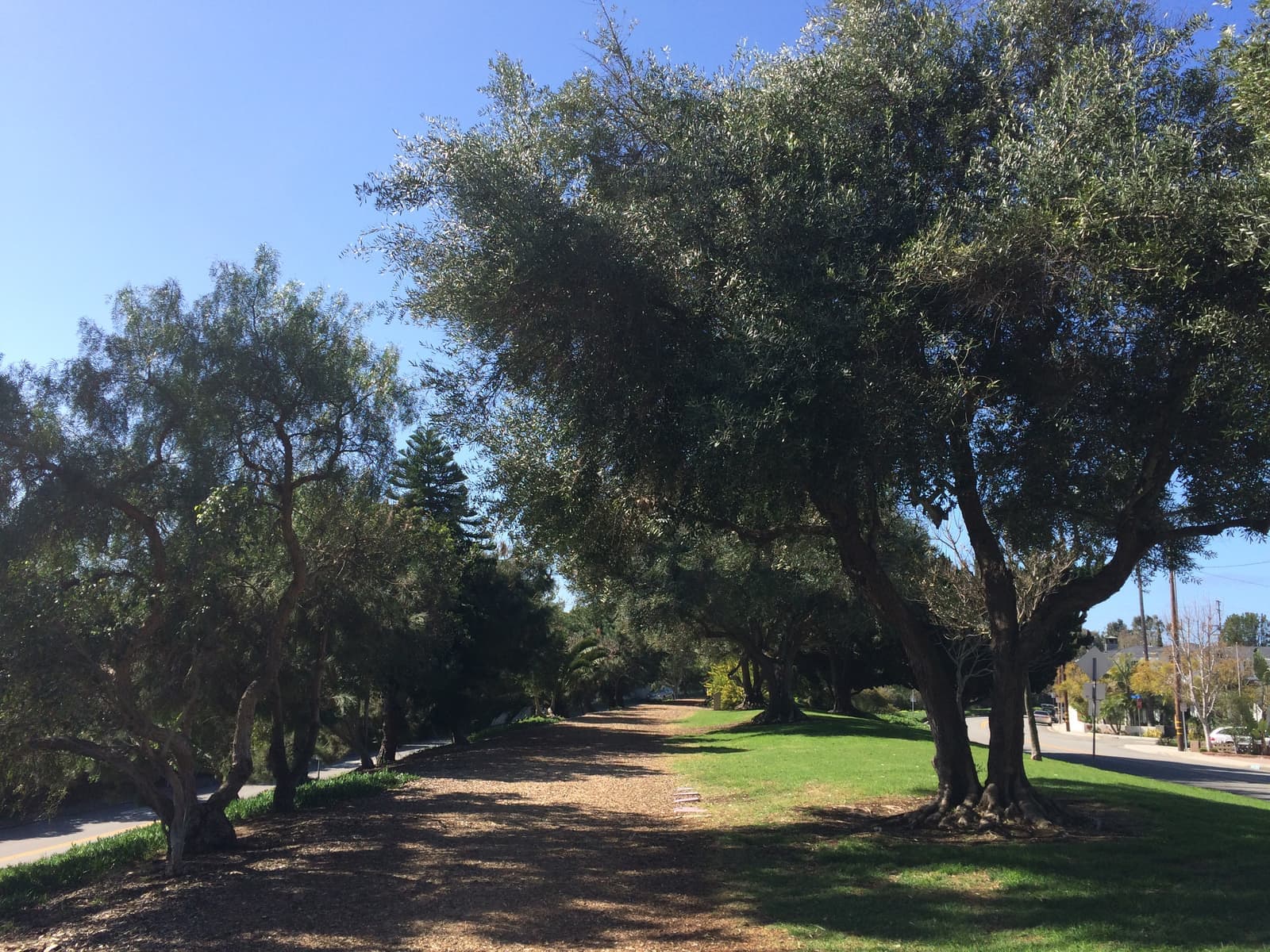
The Tree Section is the single-family neighborhood in Manhattan Beach between Rosecrans Avenue, Sepulveda Boulevard, Manhattan Beach Boulevard and the Veterans Parkway greenbelt, named for avenues like Palm, Walnut, Pine, Elm and Oak. The zoning code calls it Area District II. It has about 2,950 houses on lots with a median size of about 4,650 square feet, a 26-foot, two-story height limit, and a permit rule for big front-yard trees. County records date 46% of the houses to 1940 through 1959. As of September 2026, 12 houses were for sale, asking about $2.8 million for original houses to $8.75 million for new construction.
Sources: U.S. Census Bureau, ACS 5-year 2019–2023; neighborhood facts compiled by The Slava House.
Its avenues are named after trees, and the city's own maps disagree about one corner.
The Tree Section is the block of Manhattan Beach north of Manhattan Beach Boulevard and west of Sepulveda Boulevard, running up to Rosecrans Avenue at the El Segundo line. On the west it meets the Sand Section along the Veterans Parkway greenbelt, then along Bell Avenue north of Marine Avenue. The city's General Plan describes it the same way and notes that the avenues east of Pacific Avenue are named after trees, which is where the name comes from. It lists Palm, Walnut, Pine, Elm and Oak. Maple and Laurel avenues run through the neighborhood too.
In the zoning code, this is Area District II. That district also covers the neighborhoods east of Sepulveda, but the Tree Section name stops at the highway, and that's how our map draws it. Brokers file it under MLS area 143. By the city's parcel map it has about 3,160 parcels, and almost all of them are zoned for single-family houses.
One corner is in dispute. The blocks around Grandview Avenue near Sand Dune Park show up in the General Plan as part of the Tree Section, but the zoning map puts them in Area District III with the beach blocks. Our map follows the zoning line, so those blocks are in our Sand Section guide.
Tree Section asks about what Manhattan Beach does as a whole.
A square foot in Tree Section costs 12% less than across Manhattan Beach.
Listings in Tree Section have been on the market 13 fewer days than across Manhattan Beach.
Homes for sale in Tree Section are 15% bigger than across Manhattan Beach.
Each card sets the median in Tree Section against all of Manhattan Beach. The arrow on a card lists every Manhattan Beach neighborhood we cover. Asking prices for homes on the market right now inside each mapped area, not sale prices. Updated October 4, 2026, 12:00 AM PT
11 active listings in the mapped area
I’m a Long Beach Realtor and I work Manhattan Beach too. Tell me what you’re after in Tree Section and I’ll help you get there.
Slava Ploshkin · DRE #02323623English and Russian
The restaurants, cafes, shops, parks, and landmarks that give Tree Section its everyday character, most within a short walk.
10 places
Pick one and I’ll show you where it is.
Landmark5 min walk
The Catholic parish church on 15th Street. Its school on Laurel Avenue opened in 1947.
Landmark10 min walk
The public elementary school at 1200 Pacific Avenue. The district's attendance map puts most of the Tree Section in its area.
The northwest corner maps to Grand View Elementary instead.
Park5 min walk
The greenbelt on the old Santa Fe railroad right-of-way between Valley Drive and Ardmore Avenue, with a running path that goes all the way to the Hermosa Beach line.
Park · Nearby10 min walk
The city park across Valley Drive, with six lighted tennis courts, two fields, a dog run, and the Joslyn Community Center.
Recreation · Nearby15 min walk
The steep dune at 33rd Street and Bell Avenue that people climb for exercise.
Anyone 13 or older needs an online reservation: $2 for residents, $4 for everyone else.
Landmark · Nearby10 min walk
The public elementary school on Bell Avenue that serves the Tree Section's northwest corner on the district's map.
Shopping · Nearby20 min walk
The shopping center across Sepulveda Boulevard, where most Tree Section errands end up.
Park · Nearby30 min walk
The 18-acre park with a pond on Manhattan Beach Boulevard east of Sepulveda, where the free Sunday concerts happen in summer.
Landmark · Nearby30 min walk
The district's only middle school, on North Redondo Avenue next to Polliwog Park.
Beach · Nearby20 min walk
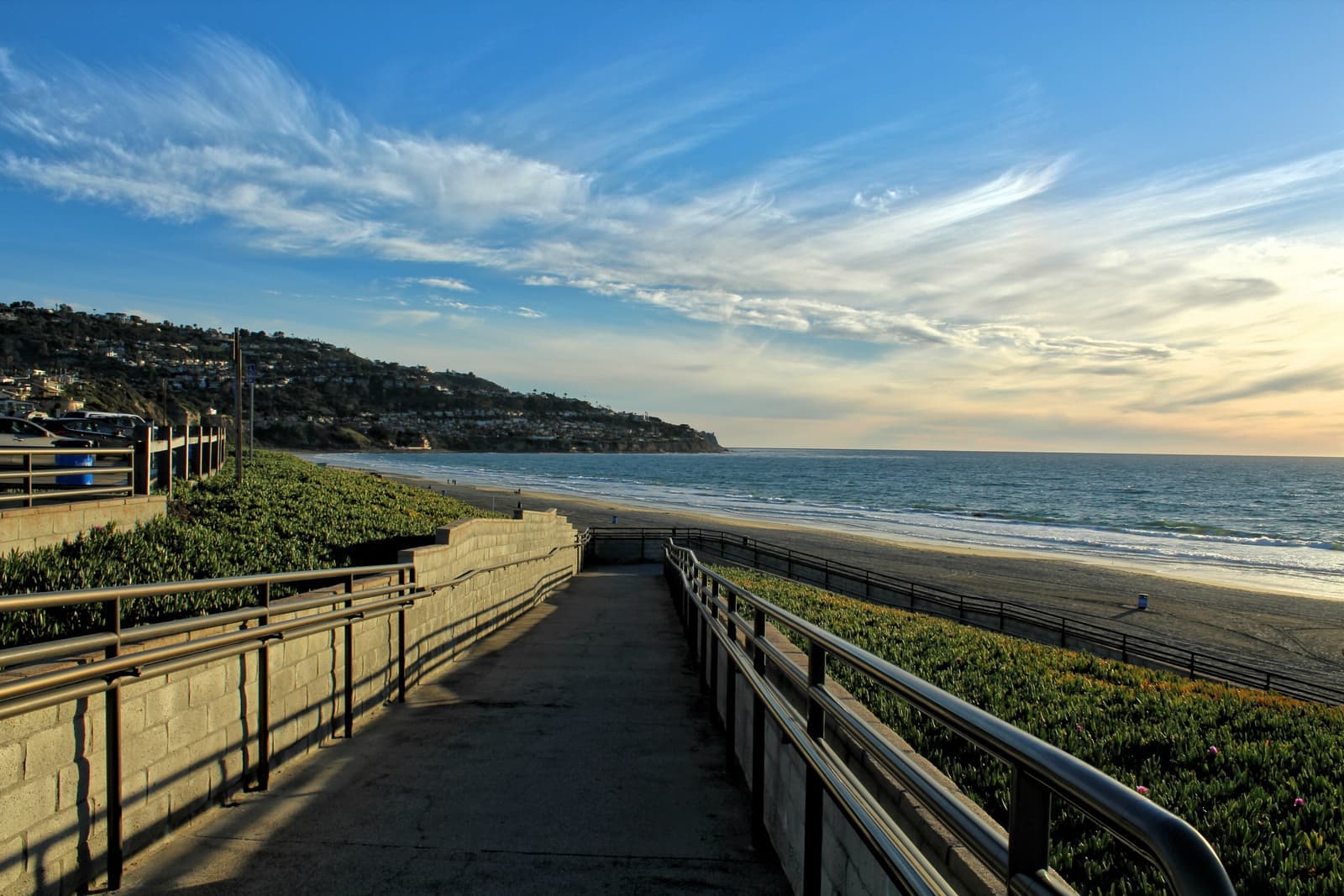
The pier at the bottom of Manhattan Beach Boulevard, under a mile from the middle of the Tree Section.
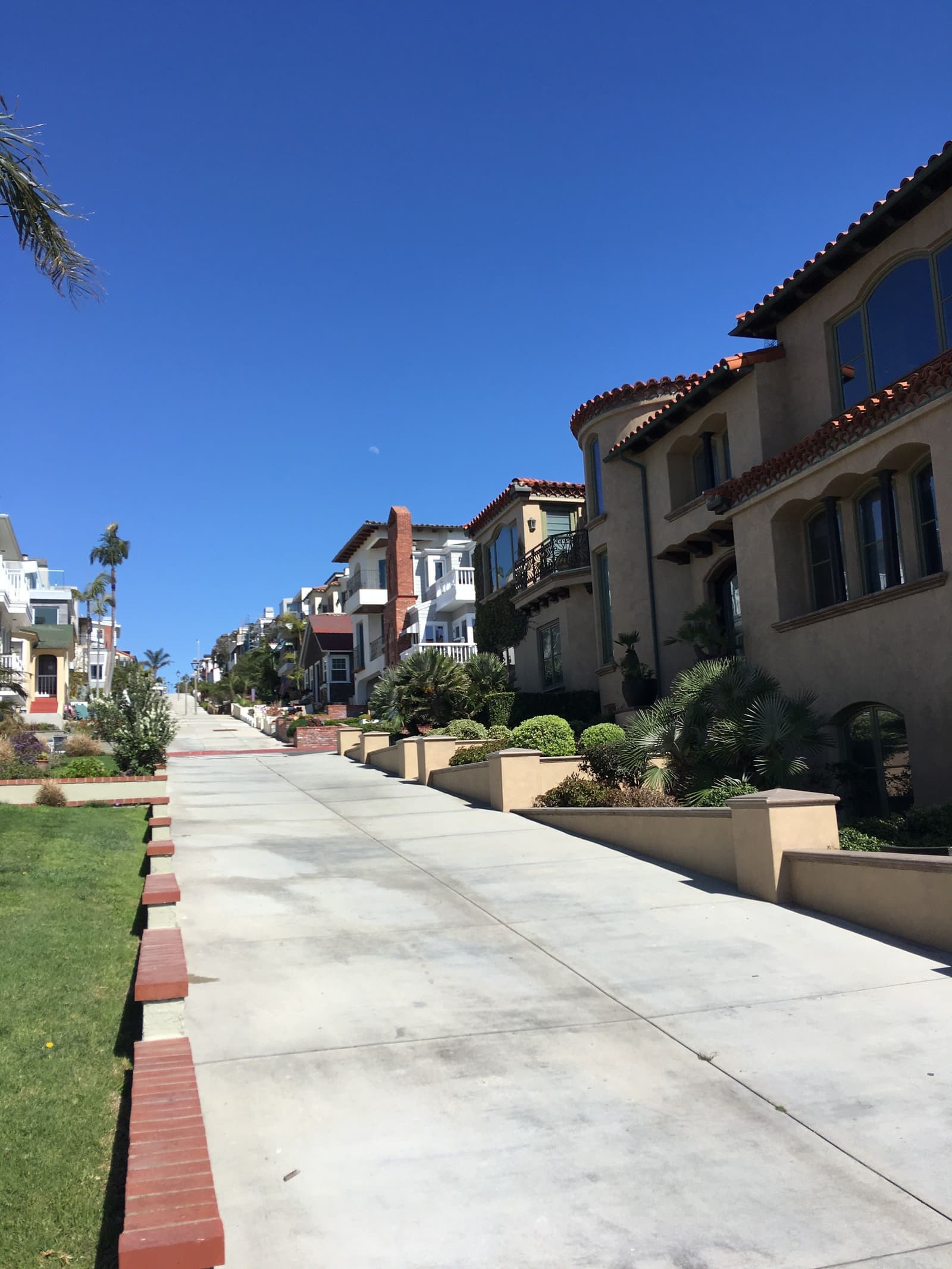
People pay for the lots, usually 40 feet wide and close to twice the size of a beach lot.
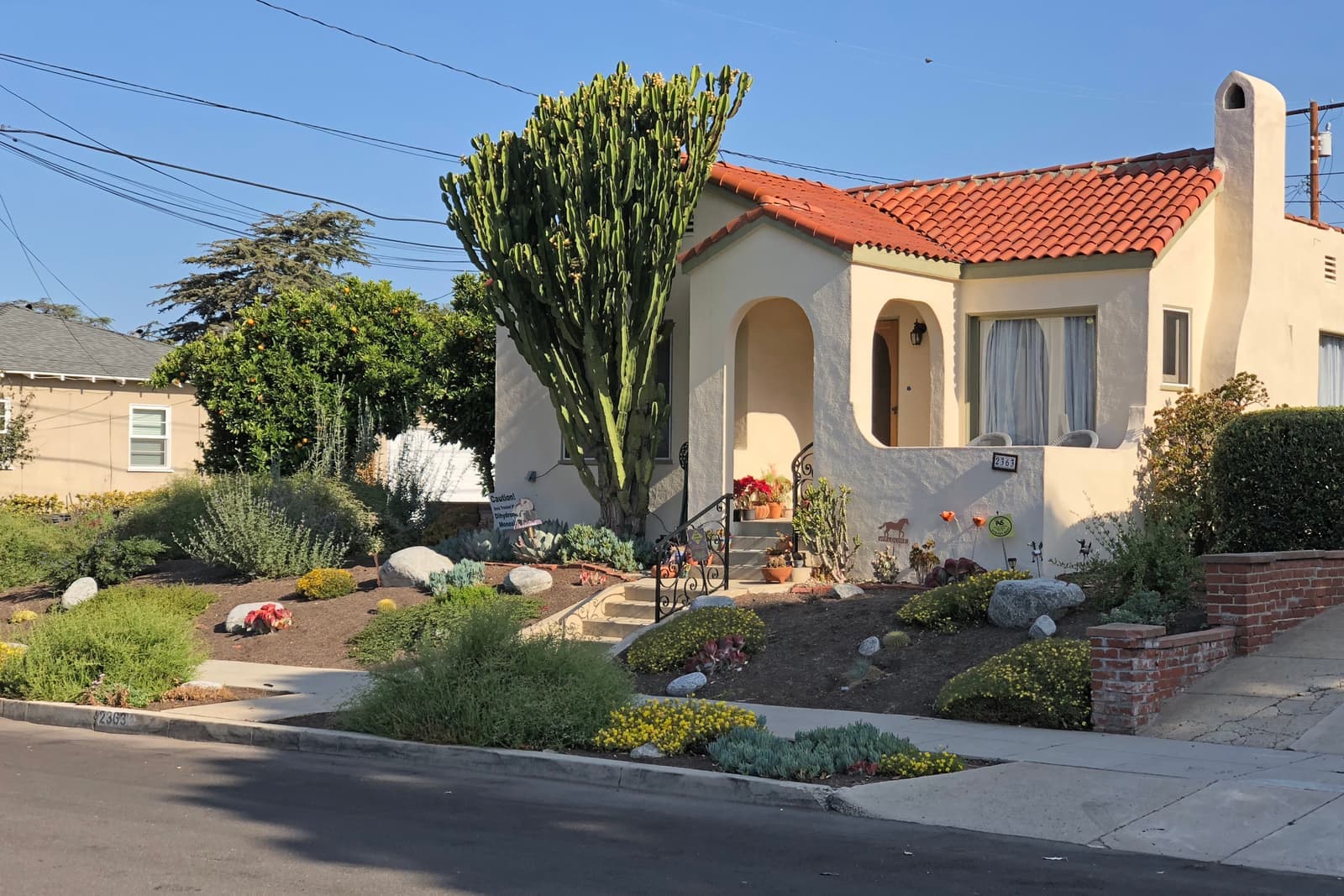
The city grew fastest in the 1940s and 1950s, when its population went from 6,393 to 33,934, and the Tree Section shows it. County records date 46% of its houses to 1940 through 1959, with the 1950s alone accounting for 29%. Those original houses are small by today's standard, with a median of about 1,600 square feet of living space.
The lots are what people pay for. Local brokers describe the typical Tree Section lot as 40 feet wide and roughly 110 to 135 feet deep, and the county's parcel data puts the median at about 4,650 square feet, with half between about 4,480 and 5,130. That's close to twice a standard beach lot. About 100 lots are 7,000 square feet or more.
The rebuilding has been going on for a while. About 34% of the houses carry a build year of 1990 or later, and the ones built since 2010 have a median of about 3,600 square feet. When I pulled listings for this guide in late September 2026, our mapped Tree Section had 12 houses for sale. The three houses from the 1950s and 1960s asked about $2.8 million to $3.05 million, and at that price I look at them as lots. The five built since 2014, most of them brand new, asked about $4.75 million to $8.75 million.
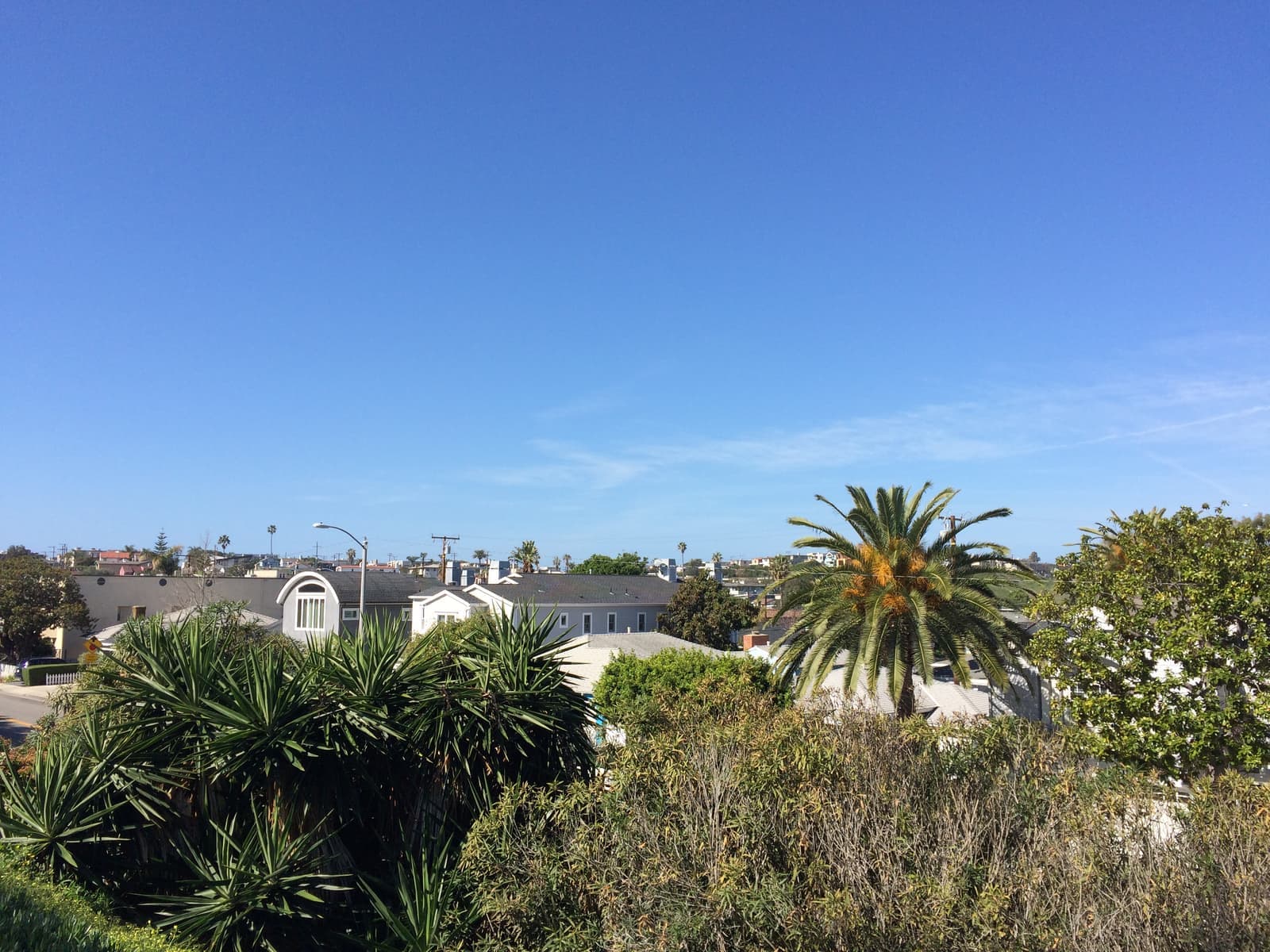
The numbers that decide the size of a Tree Section rebuild.
Area District II allows 26 feet and two stories. Height is measured from the average elevation of the lot's four corners, and no part of the house can stand more than 20% over the limit, about 31 feet, above the ground beneath it. On a house lot of 4,800 square feet or less, floor area is capped at 0.7 times the lot, so about 3,250 square feet on a typical 4,650-square-foot lot. Up to 400 square feet of garage and any basement that's fully below grade don't count. The front setback is 20 feet. The code says the height and floor-area limits can't be raised without a citywide vote.
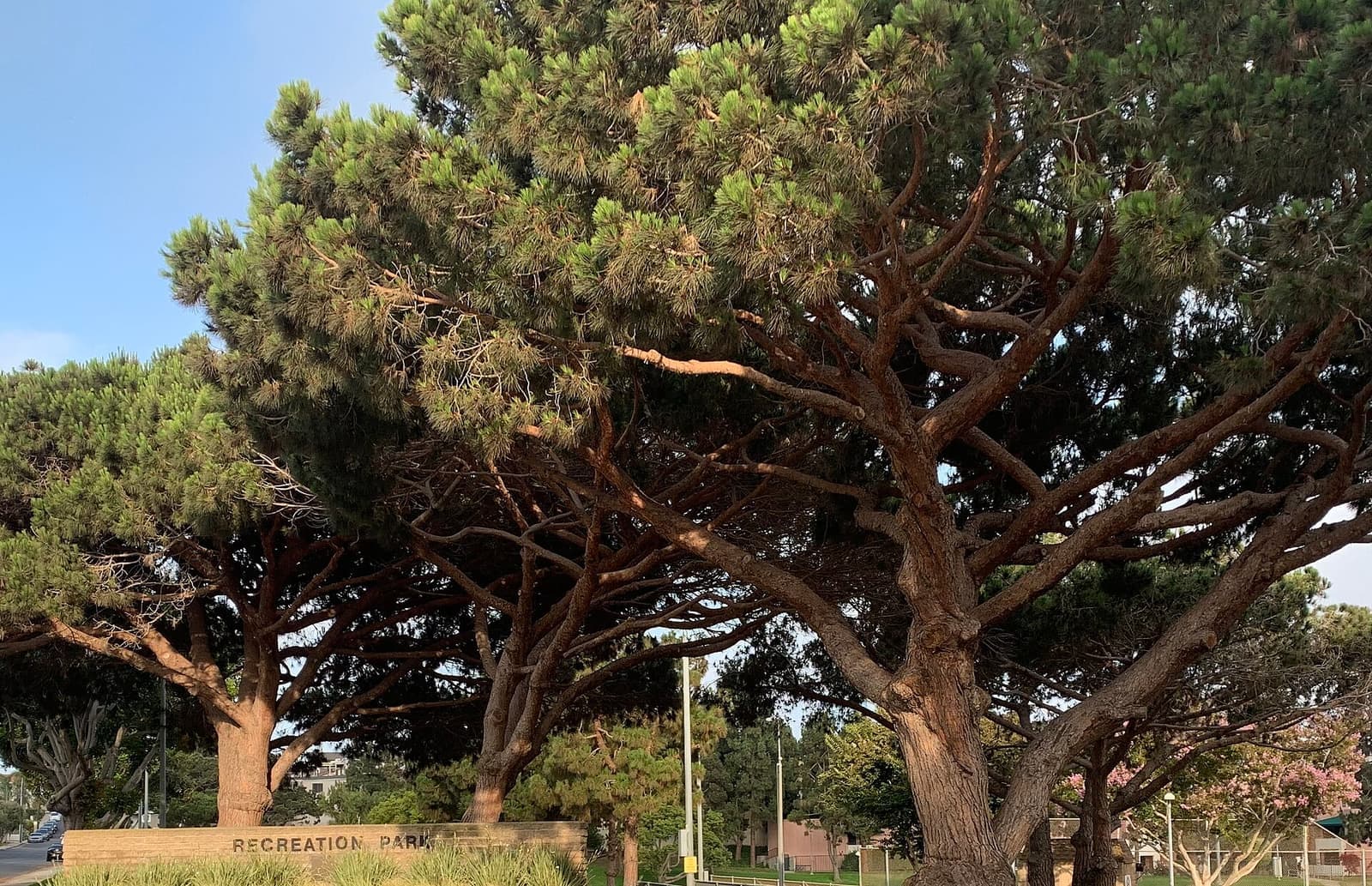
Trees get their own rule. In Area Districts I and II, a protected tree is any tree, other than deciduous fruit trees and Washingtonia palms, whose trunk sits at least partly in the front yard, or the street-side yard on a corner, and measures 12 inches or more across at 4.5 feet up. Removing or moving one takes a city permit and a tree plan, and any project that costs more than half of what rebuilding the whole house would cost has to plant at least one new 36-inch box tree. The city first adopted the rule for the Tree Section in 1993 and later extended it, and in May 2026 the council took up the question of fines for violations.
You can add units. Under the city's SB 9 rules, a single-family lot can have two main houses, and up to four units counting ADUs, with 4-foot side and rear setbacks and the same 26-foot height. Units built that way can't be rented for less than 30 days. The city also updated its ADU chapter in April 2025 to follow state law.
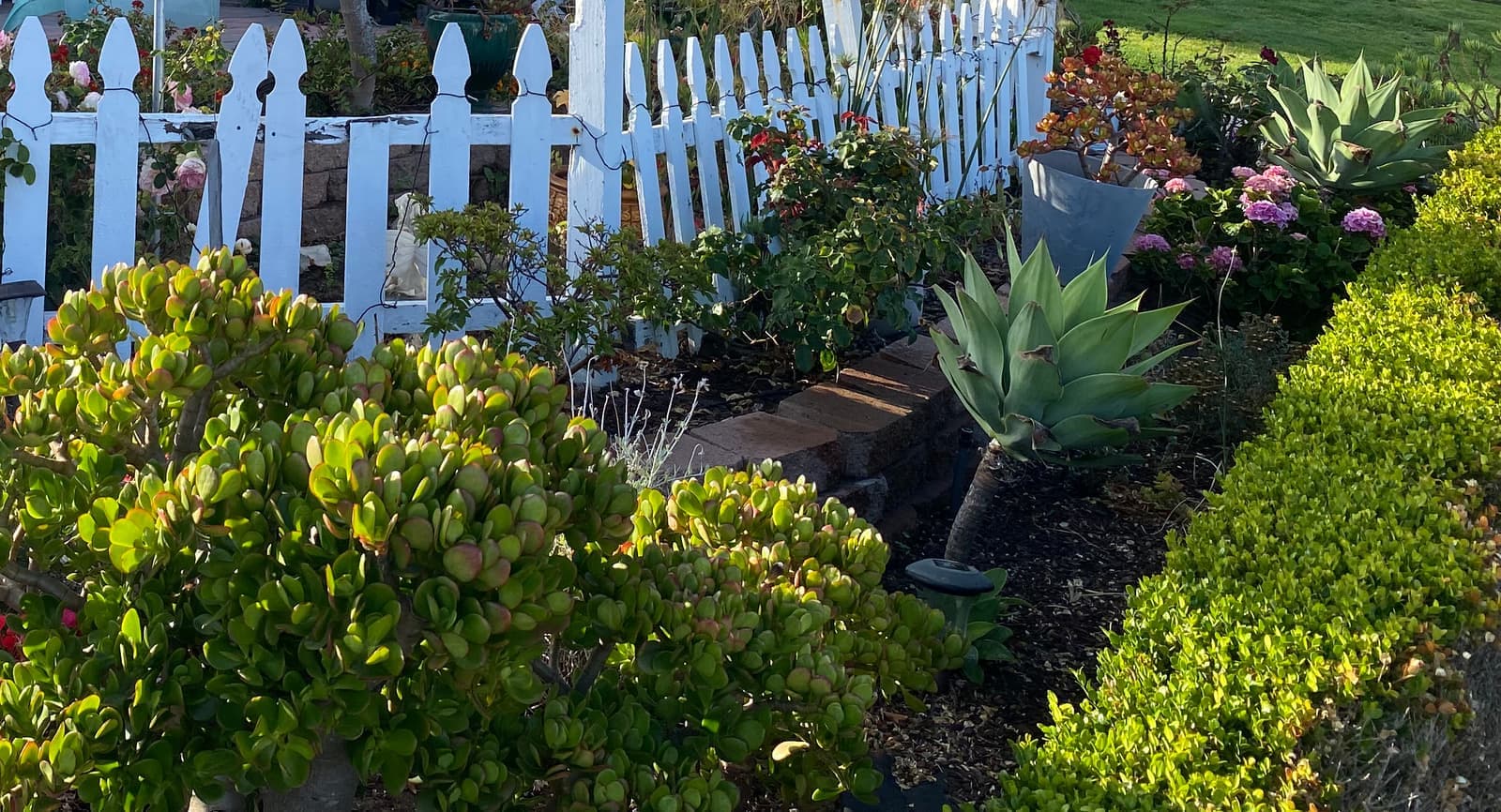
Pacific or Grand View Elementary on the district's 2015 map, then one middle school and Mira Costa High.
The Tree Section is in the Manhattan Beach Unified School District, which had 5,905 students in 2025-26 according to the state. It runs five elementary schools for TK through 5th grade, one middle school for 6th through 8th, and Mira Costa High School for 9th through 12th, so every Tree Section family ends up at the same middle and high school.
For elementary school, the district's attendance map, dated November 2015, puts most of the Tree Section in the area for Pacific Elementary at 1200 Pacific Avenue, inside the neighborhood. The northwest corner, west of Pacific Avenue and north of Valley Drive, falls in Grand View Elementary's area on Bell Avenue. The map dates to 2015, which is one more reason to check an exact address with the district.
American Martyrs, the Catholic parish on 15th Street, runs a private school on Laurel Avenue that opened on September 15, 1947.
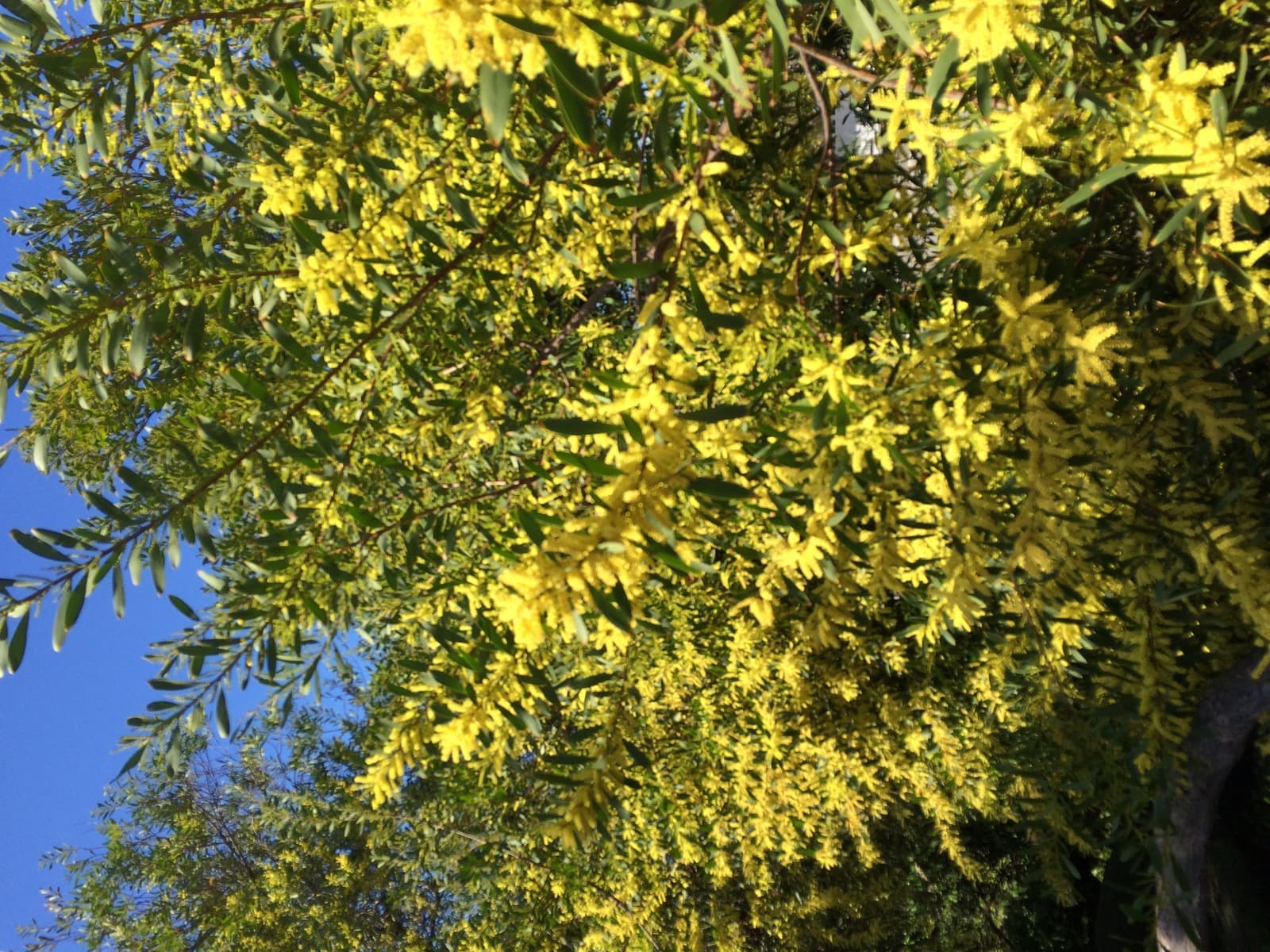
The pier is under a mile away, with groceries across the highway at Manhattan Village.
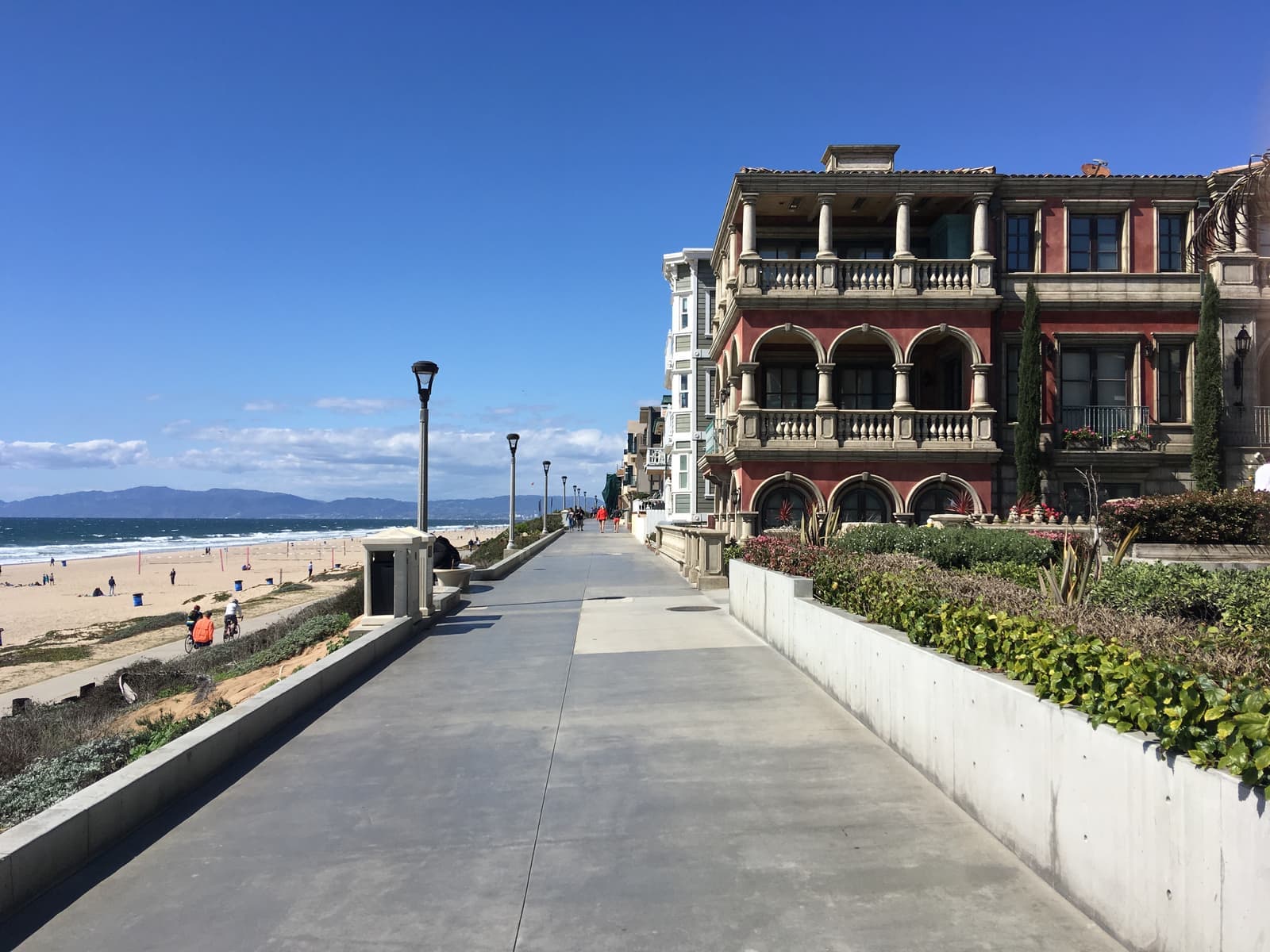
Veterans Parkway runs along the west side of the neighborhood. It's a 21-acre greenbelt built in 1986 on the old Santa Fe railroad right-of-way, renamed from Manhattan Parkway in 1998, and its running path goes about a mile and a half south to the Hermosa Beach line. Across Valley Drive, Live Oak Park dates to 1939 and has six lighted tennis courts, two fields, a dog run, a Scout House, and the Joslyn Community Center, and the city holds its Old Hometown Fair there every October. Sand Dune Park at 33rd Street takes online reservations to climb the dune.
The pier is under a mile from the middle of the Tree Section and about a mile and a half from the Rosecrans and Sepulveda corner. Groceries and errands are mostly on Sepulveda and at Manhattan Village, the shopping center across the highway, and Polliwog Park and the middle school are about half a mile past Sepulveda on Manhattan Beach Boulevard.
Some streets have permit signs. The city runs a Tree Section resident permit parking program for streets whose residents petition for it, with up to three hangtags per household. The whole neighborhood sits outside the Coastal Zone, so the city's ban on rentals shorter than 30 days applies here.
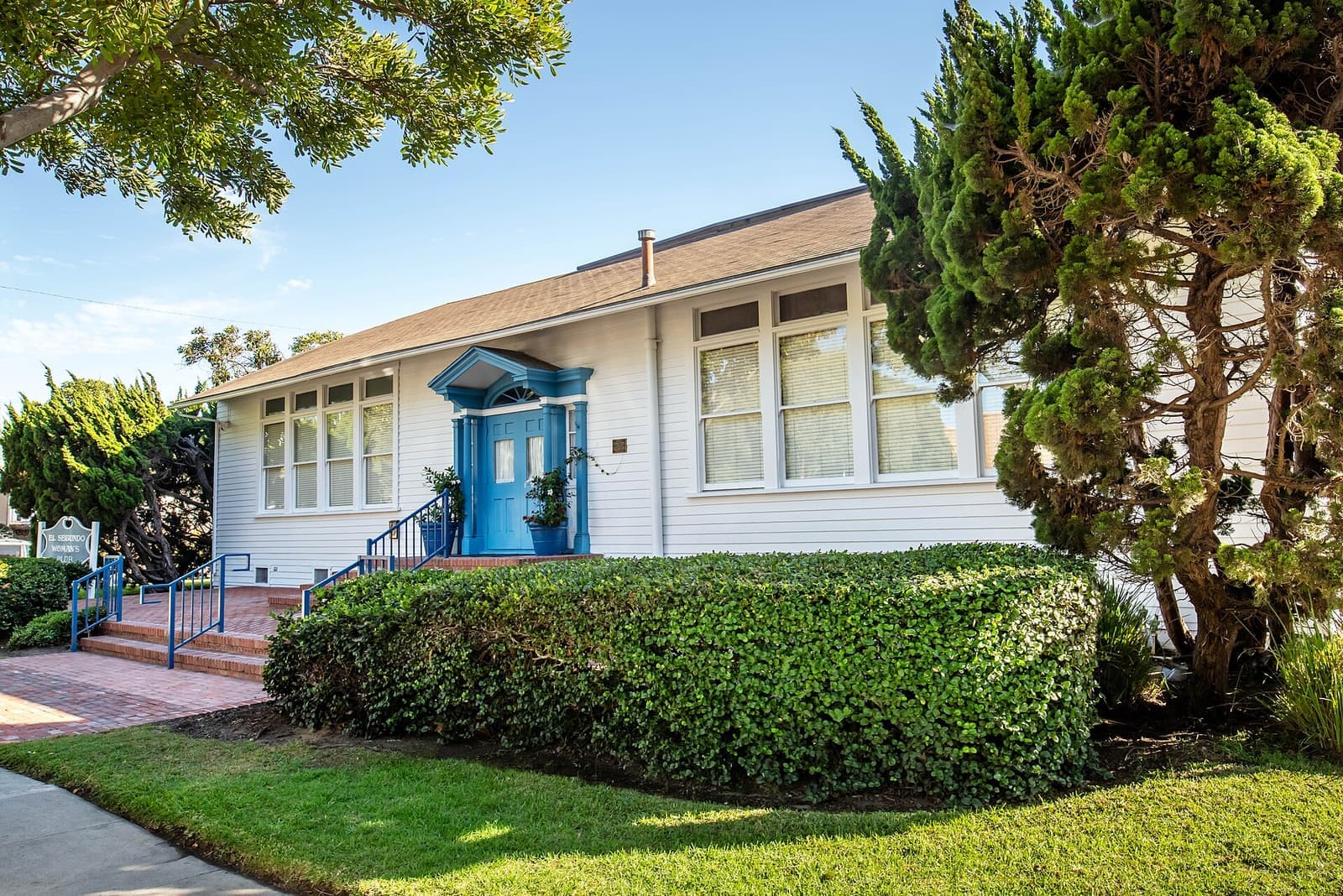
Sepulveda is a state highway, with the Chevron refinery and LAX to the north.
Sepulveda Boulevard is State Route 1, the only state highway in Manhattan Beach, and the houses on the blocks next to it hear it. The Sepulveda Bridge between 33rd Street and Rosecrans was widened with an extra northbound lane and seismic work, finished in June 2023. Some commercial lots along Sepulveda carry the housing overlay the city added in its 2023 housing plan.
Chevron's El Segundo refinery sits just north of Rosecrans Avenue, across the city line. The city's Noise Element says the refinery affects the noise level for homes facing Rosecrans in particular. On October 2, 2025, a large fire broke out at the refinery around 9:30 p.m.; fire officials said there was no hazard to Manhattan Beach, but it's a fair thing to weigh if you're looking at the north end.
LAX is about 4 miles north. The Noise Element says planes arriving from the south or west may fly over the city, with aircraft noise here below 60 decibels. On any specific block, I'd go by what you hear in person at different times of day.
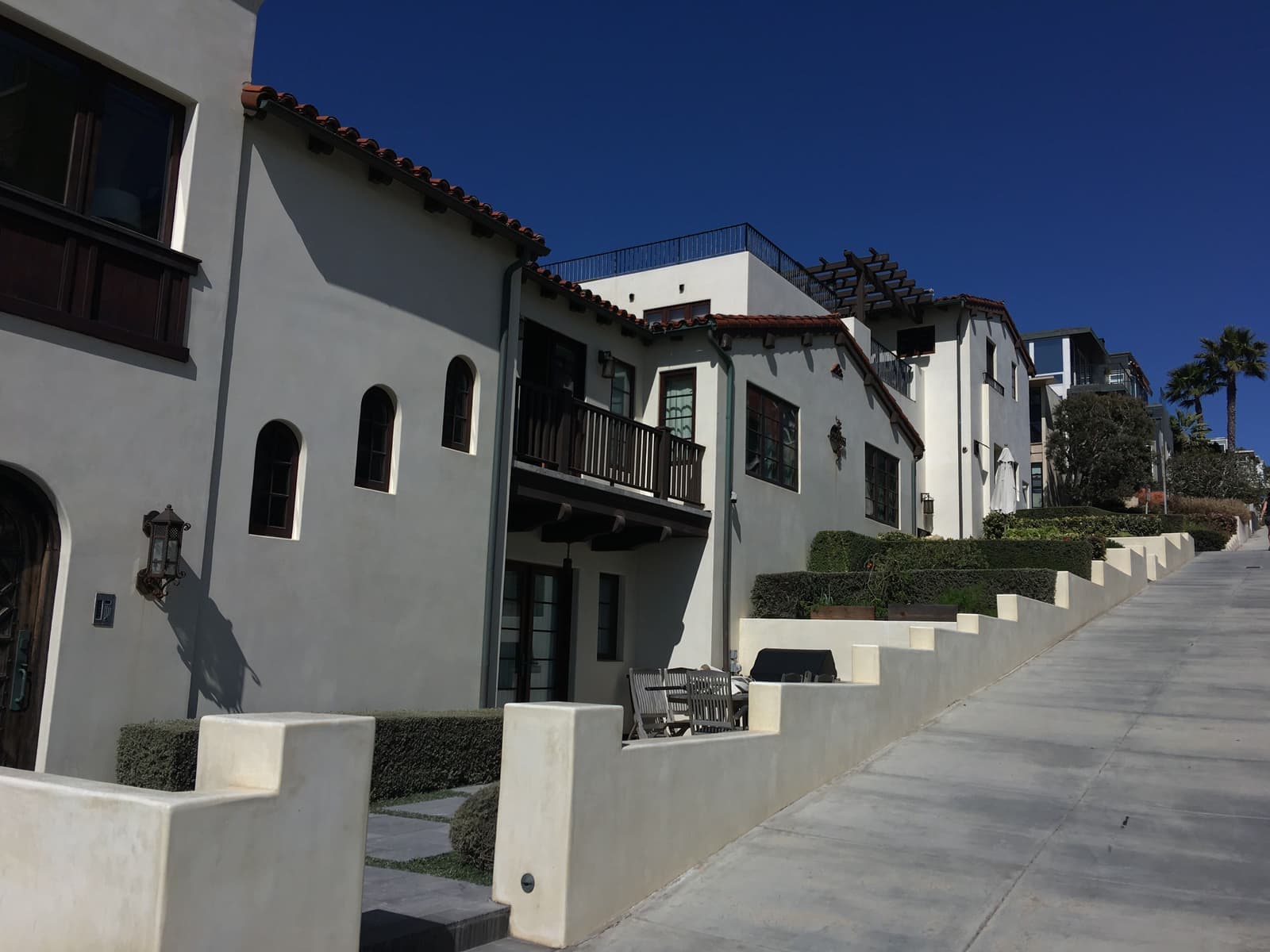
The questions that decide whether a house is a keeper or a teardown.
It all starts with the lot. I want the survey, the exact square footage, and the floor-area math, because on a lot under 4,800 square feet every square foot of land is worth 0.7 of a square foot of house. If the plan is to rebuild or add an SB 9 unit or an ADU, I check the setbacks and the four corner elevations early.
Then the trees. If a big tree sits in the front yard, find out whether it's protected before you plan around removing it, and budget for a replacement 36-inch box tree on a major remodel. After that, the school: get the assigned elementary school for the exact address from the district in writing.
And I walk the block with the buyer: how close it is to Sepulveda or Rosecrans, whether the street has permit parking, and how many houses nearby are under construction. I do this in English or Russian, and if you're abroad, I send you the walk on video.
5 active rentals in the mapped area
The Tree Section is the part of Manhattan Beach north of Manhattan Beach Boulevard, west of Sepulveda Boulevard, and south of Rosecrans Avenue, bordered on the west by the Veterans Parkway greenbelt and Bell Avenue. The zoning code calls it Area District II, and brokers list it as MLS area 143. The blocks around Grandview Avenue near Sand Dune Park are claimed by both the Tree and Sand sections.
The facts in this guide (districts, zones, rules) come from the official records below. We re-check them before property tours.