




Beverly Grove asks 56% more than Los Angeles as a whole.
Los Angeles, California · Neighborhood guide
Beverly Grove
The flat Los Angeles blocks between the Beverly Hills line and Fairfax Avenue, where most of what sells is a boulevard condo or a 1920s duplex
Median askingBeverly Grove$1.87M85 for sale
See homesBeverly Grove, in short.
Beverly Grove is a flat, mostly 1920s neighborhood of the City of Los Angeles, not Beverly Hills: 1.65 square miles between the Beverly Hills and West Hollywood lines, Fairfax Avenue, and Wilshire and San Vicente boulevards, with 25,430 residents in 2020. The side streets hold Spanish and Revival bungalows, duplexes and fourplexes; the boulevards hold condos and apartments. As of September 2026 most condos asked about $600,000 to $1.4 million and most houses $2.3 million to $3.9 million. Cedars-Sinai and the Beverly Center anchor the west end, the Third Street shops run to Fairfax, and two D Line subway stations opened on Wilshire at the south edge on May 8, 2026.
Beverly Grove by the numbers.
- 13,762Population
- 31%Homeowner-occupiedoccupied homes
- 70%Bachelor's degree or higherage 25+
- $6,192/moMedian asking rentCurrent MLS listings
- $109,835Median household income
- 39.9Median age
Sources: U.S. Census Bureau, ACS 5-year 2019–2023; neighborhood facts compiled by The Slava House.
Los Angeles, on the Beverly Hills line
A flat 1920s neighborhood between two city limits and Fairfax Avenue.
Beverly Grove is in the City of Los Angeles. Its name and its location next to Beverly Hills lead listings to call it Beverly Hills adjacent, but the taxes, services, schools, and permits are Los Angeles ones, and the ZIP code is 90048. The Los Angeles Times' Mapping L.A. project bounds it by the West Hollywood and Beverly Hills city limits on the north and west, Fairfax Avenue on the east, and Wilshire and San Vicente boulevards on the south. That is 1.65 square miles of flat grid with 25,430 residents at the 2020 census. The name itself is young: it was coined in 2006 for a zoning fight, and Mapping L.A.'s first draft simply called the area part of the Fairfax District.
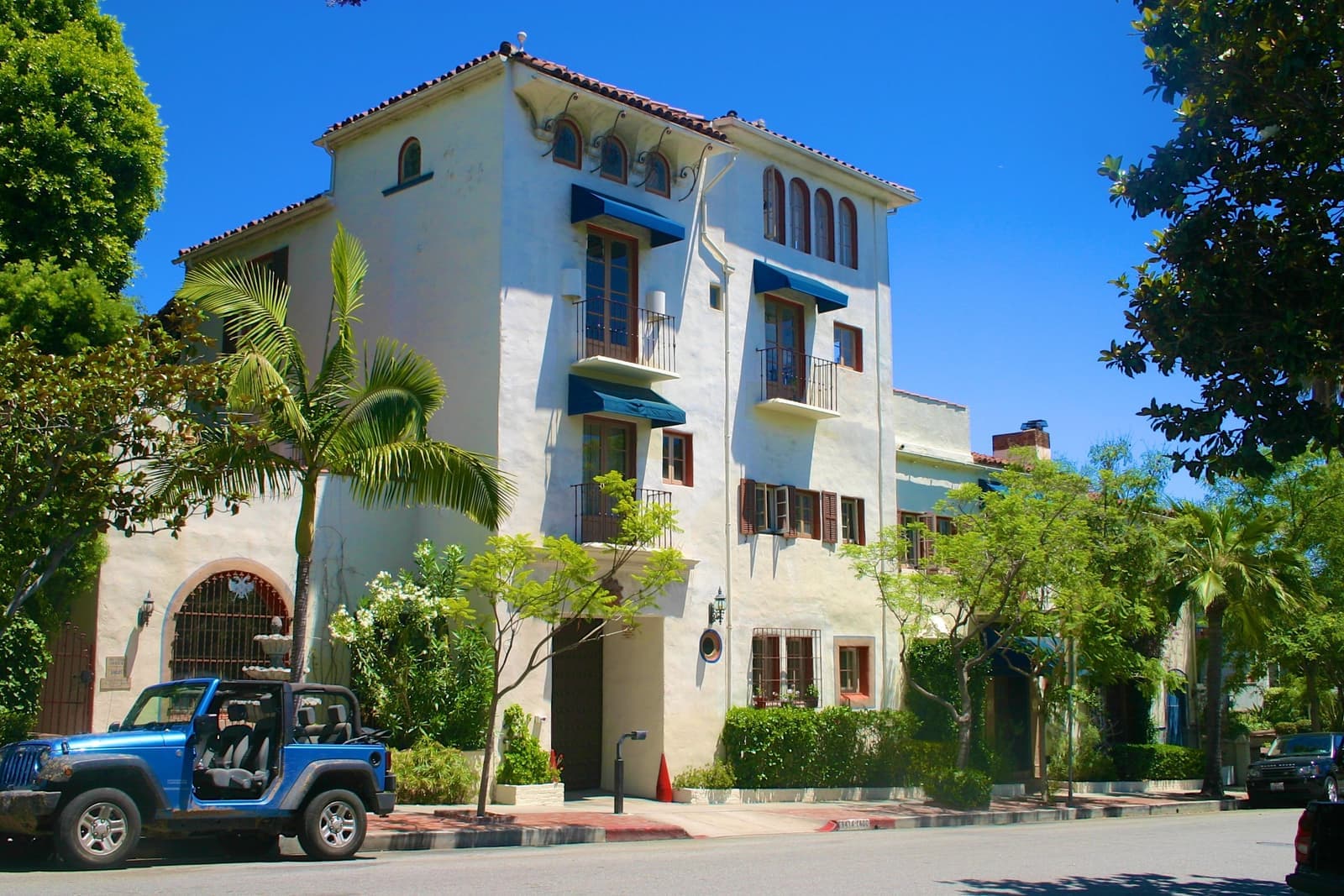
The neighborhood was built primarily in the 1920s, and the interior streets still read that way: Spanish and Revival bungalows, duplexes and fourplexes, and courtyard apartments on narrow lots. The boulevards carry the big buildings. Cedars-Sinai Medical Center and the Beverly Center hold the west end on Beverly Boulevard, the Third Street shops run east from La Cienega, and condominium and apartment blocks stand along La Cienega, San Vicente, and Wilshire.
The famous names are at the corners. The Original Farmers Market of 1934 and the Grove of 2002 sit at Third and Fairfax, on the Fairfax District side of the avenue. Television City is at Beverly and Fairfax, and the museums of Wilshire Boulevard close the southeast corner. Beverly Grove itself is the quieter grid behind them, where most of the housing is rented and most of what sells is a condo or a 1920s duplex.

Live from the MLS
Beverly Grove compared with all of Los Angeles.
A square foot in Beverly Grove costs 25% more than across Los Angeles.
Beverly Grove$822
All of Los Angeles$660
Listings in Beverly Grove have been on the market 3 fewer days than across Los Angeles.
What’s for sale
51% of the homes for sale in Beverly Grove are condos.
- Condo51%43 homes
- Single-family34%29 homes
- Multi-unit15%13 homes
Homes for sale in Beverly Grove are 7% smaller than across Los Angeles.
Beverly Grove1,718 sq ft
All of Los Angeles1,850 sq ft
Each card sets the median in Beverly Grove against all of Los Angeles. The arrow on a card lists every Los Angeles neighborhood we cover. Asking prices for homes on the market right now inside each mapped area, not sale prices. Updated October 3, 2026, 5:00 PM PT
Homes for sale in Beverly Grove
85 active listings in the mapped area
$4,750,000
Single-Family6 bd6 ba4,911 sqft
419 N Laurel Avenue
$1,499,000
Single-Family2 bd2 ba1,000 sqft
8015 Rosewood Avenue
$3,295,000
Single-Family4 bd5 ba2,936 sqft
343 N Alfred Street
$640,000
Condo1 bd2 ba712 sqft
100 S Doheny Drive 607
$1,395,000
Condo2 bd3 ba1,559 sqft
128 N Swall Drive 108
$2,995,000
Multi-Family12 bd10 ba7,008 sqft
8436 Blackburn Avenue
$3,599,000
Single-Family4 bd5 ba3,691 sqft
103 N Laurel Avenue
$689,000
Condo2 bd3 ba1,497 sqft
100 S Doheny Drive 313
$1,898,000
Multi-Family6 bd4 ba3,639 sqft
6506 W 6th Street
$2,295,000
Single-Family4 bd3 ba2,130 sqft
445 N Sweetzer Avenue
$835,000
Condo2 bd2 ba1,301 sqft
104 S Hayworth Avenue 103
$650,000
Condo2 bd2 ba1,353 sqft
104 S Hayworth Avenue 101
$2,850,000
Single-Family4 bd3 ba2,500 sqft
133 N Kilkea Drive
$875,000
Condo2 bd2 ba1,426 sqft
305 Arnaz Drive 303
$450,000
Condo1 bd1 ba569 sqft
6151 Orange Street 203
$598,000
Condo1 bd2 ba885 sqft
100 S Doheny Drive 711

Still deciding? Ask me.
I’m a Realtor based in Long Beach, and Los Angeles is one of the cities I work most. Tell me what you’re after in Beverly Grove and I’ll help you get there.
Slava Ploshkin · DRE #02323623English and Russian · How I work in Los Angeles
Where to eat, shop, and explore in Beverly Grove
The restaurants, cafes, shops, parks, and landmarks that give Beverly Grove its everyday character, most within a short walk.
12 places
Pick one and I’ll show you where it is.
Shopping5 min walk
The eight-story mall at 8500 Beverly Boulevard, opened February 4, 1982 on the site of the Beverly Park amusement park, above the Salt Lake Oil Field. A $500 million renovation begun in 2016 added street-level restaurants and the perforated steel skin.
Landmark5 min walk
The hospital at 8700 Beverly Boulevard, licensed for 915 beds, with more than 3,000 physicians and 16,000 employees; first patients in 1976. U.S. News ranked it first in California in 2025. Its traffic and parking shape the west end of the neighborhood.
Restaurant5 min walk
The market-cafe on the Third Street strip between La Cienega and Fairfax, the shopping street most of the neighborhood walks to.
Shopping · Nearby20 min walk
Open since 1934 at Third and Fairfax on the Gilmore family's former ranch, with more than 100 vendors under the clock tower. Historic-Cultural Monument No. 543 since 1991; a tram links it to the Grove.
Shopping · Nearby25 min walk
Rick Caruso's 25-acre open-air center, opened in March 2002 on the market's old parking lots, orchard, and nursery, with 575,000 square feet of shops and a trolley.
Landmark · Nearby20 min walk
The studio complex at Beverly and Fairfax, opened November 16, 1952 to a Pereira and Luckman design on the old Gilmore Stadium site. Sold in 2018; the City Council approved a $1.25 billion redevelopment in early 2025.
Park · Nearby30 min walk
The park east of the Grove on the site of the Pan-Pacific Auditorium, the 1935 Streamline Moderne hall that burned on May 24, 1989. The 2002 recreation center copies one of its towers.
Shopping · Nearby30 min walk
The flea market in the Fairfax High parking lot at Melrose and Fairfax, held since 1996 to fund the school's arts programs.
Restaurant · Nearby20 min walk
The 24-hour delicatessen that followed the Jewish community from Boyle Heights, where it opened in 1931, to Fairfax Avenue in 1948. Its bakery counter never closes except on the High Holidays.
Landmark10 min walk
The LAUSD K-5 magnet on Croft Avenue at the neighborhood's northern edge, the elementary campus inside Beverly Grove.
Landmark · Nearby30 min walk
The county art museum on Wilshire at the neighborhood's southeast corner, beside the Academy Museum and the Petersen, all a block from the new Wilshire/Fairfax subway station.
Landmark · Nearby30 min walk
The film museum in the former May Company building at Wilshire and Fairfax, the museum row that closes the neighborhood's southern edge.
How Beverly Grove was built and named
From the Gilmore ranch to the mansionization fight.
The east side of the neighborhood was Gilmore land. Arthur Fremont Gilmore built a 256-acre dairy ranch around Third and Fairfax in the 1880s and found oil on it in the 1890s. The Salt Lake Oil Field's discovery well went down in 1902, the field peaked in 1908, and today the only active drilling runs from a soundproofed drill site beside the Beverly Center. The Farmers Market opened on the ranch in 1934, Gilmore Stadium and Gilmore Field followed, and Television City replaced the stadium in 1952. The residential blocks to the west were subdivided and built out mostly in the 1920s, with duplexes and small apartment courts alongside the houses. The Edinburgh Bungalow Court, a Spanish Colonial Revival court from that era, became Historic-Cultural Monument No. 1105 in 2016.
The Beverly Center arrived on February 4, 1982, an eight-story, 883,000-square-foot mall built for $100 million on the site of the Beverly Park amusement park, with the oil wells kept on its western edge. Cedars-Sinai had broken ground in 1972 for a 1.6-million-square-foot campus and took its first patients in 1976. The Grove opened in March 2002 on the market's old parking lots and orchard. Fairfax Avenue, meanwhile, had become a center of Jewish life in Los Angeles after the community moved west from Boyle Heights; Canter's Deli made the same move in 1948.
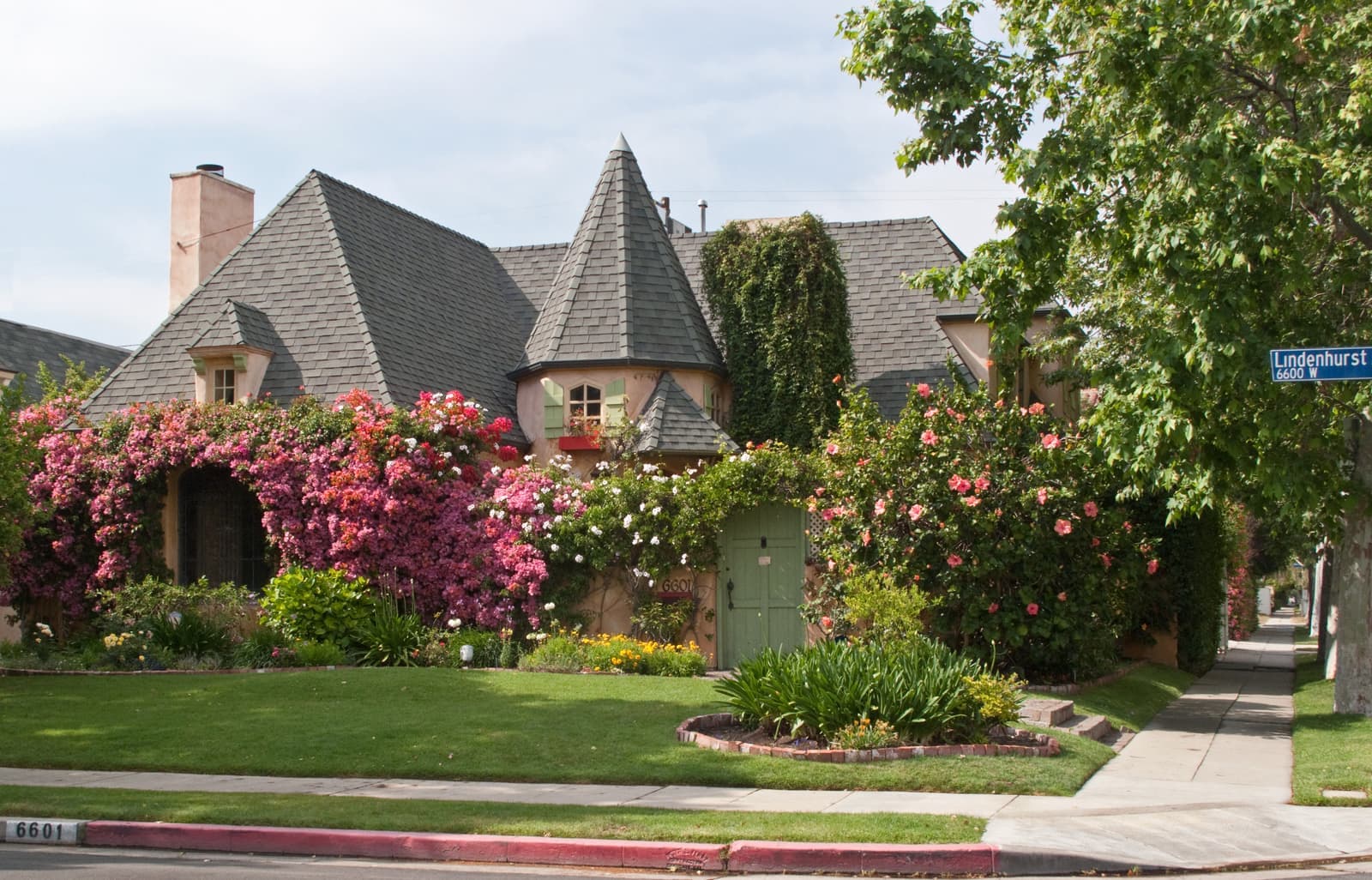
The neighborhood's name was fixed by a zoning fight. Houses on the interior blocks were being torn down for replacements up to three times their size, and the city passed an Interim Control Ordinance in 2006 while the term Beverly Grove was adopted for the discussion. The citywide Baseline Mansionization Ordinance of 2008 left loopholes, so residents and the Beverly Wilshire Homes Association pushed for a Residential Floor Area district of their own. Ordinance 182,754, adopted in 2013, set a formula tying house size to lot size on the blocks between Colgate Avenue, Fairfax Avenue, Lindenhurst Avenue, and San Vicente Boulevard.
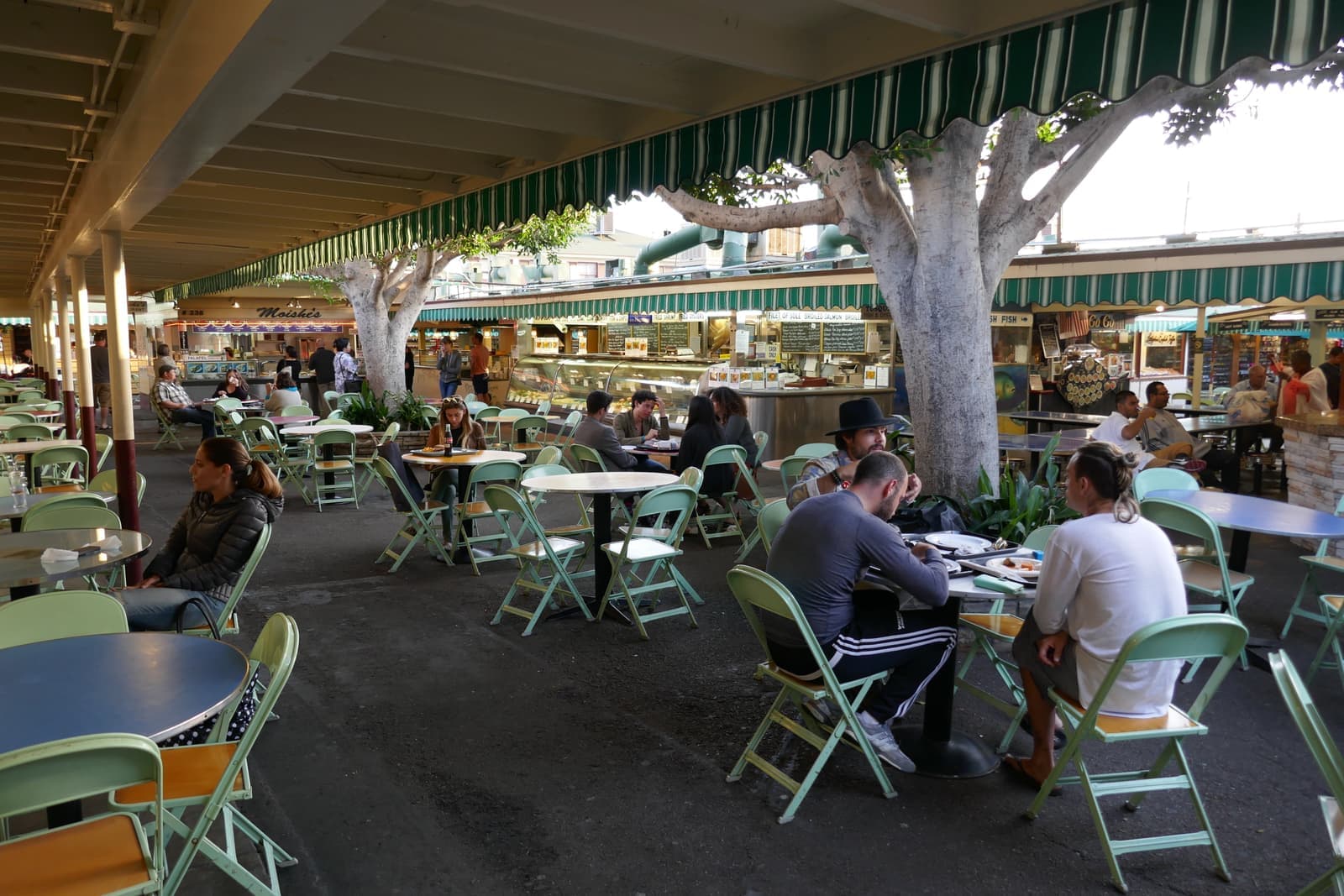
- Gilmore dairy ranch, oil by 1902, Farmers Market 1934, Television City 1952
- Beverly Center 1982 and Cedars-Sinai 1976 hold the west end
- Floor-area district (Ordinance 182,754, 2013) caps new house size on the interior blocks
Duplexes on the side streets, condos on the boulevards
Plus the bungalows, where a 2013 cap now limits how big a rebuild can get.
On the interior blocks it's 1920s to 1940s Spanish Colonial Revival and other Revival bungalows on narrow lots. A large share are duplexes and fourplexes, often with an owner in one unit and a tenant in the other. Many have been renovated; some have been replaced. Where a house was torn down for a larger one, the floor-area district now governs what can be built, so the newer houses on the covered blocks are sized to the lot.
Condominiums and apartments are the entry point and the volume. They run along Beverly Boulevard, Third Street, La Cienega, San Vicente, and Wilshire, from mid-century walk-ups to newer buildings near Cedars-Sinai and the Beverly Center. Many serve the hospital's staff and the entertainment offices nearby, which keeps the rental market deep. Buildings with two or more units first occupied on or before October 1, 1978 fall under the city's Rent Stabilization Ordinance, which sets the rules for a duplex buyer inheriting a tenant.
Two checks apply everywhere. The old Salt Lake Oil Field underlies much of the area and is dotted with abandoned wells, and active drilling still runs from the site beside the Beverly Center, so ask about methane mitigation on any building and look for old well locations before you build. The other is the building itself: a 1920s house or duplex needs the usual inspection of foundation, electrical, plumbing, and permit history, and a duplex needs its unit count and any conversions checked against city records.
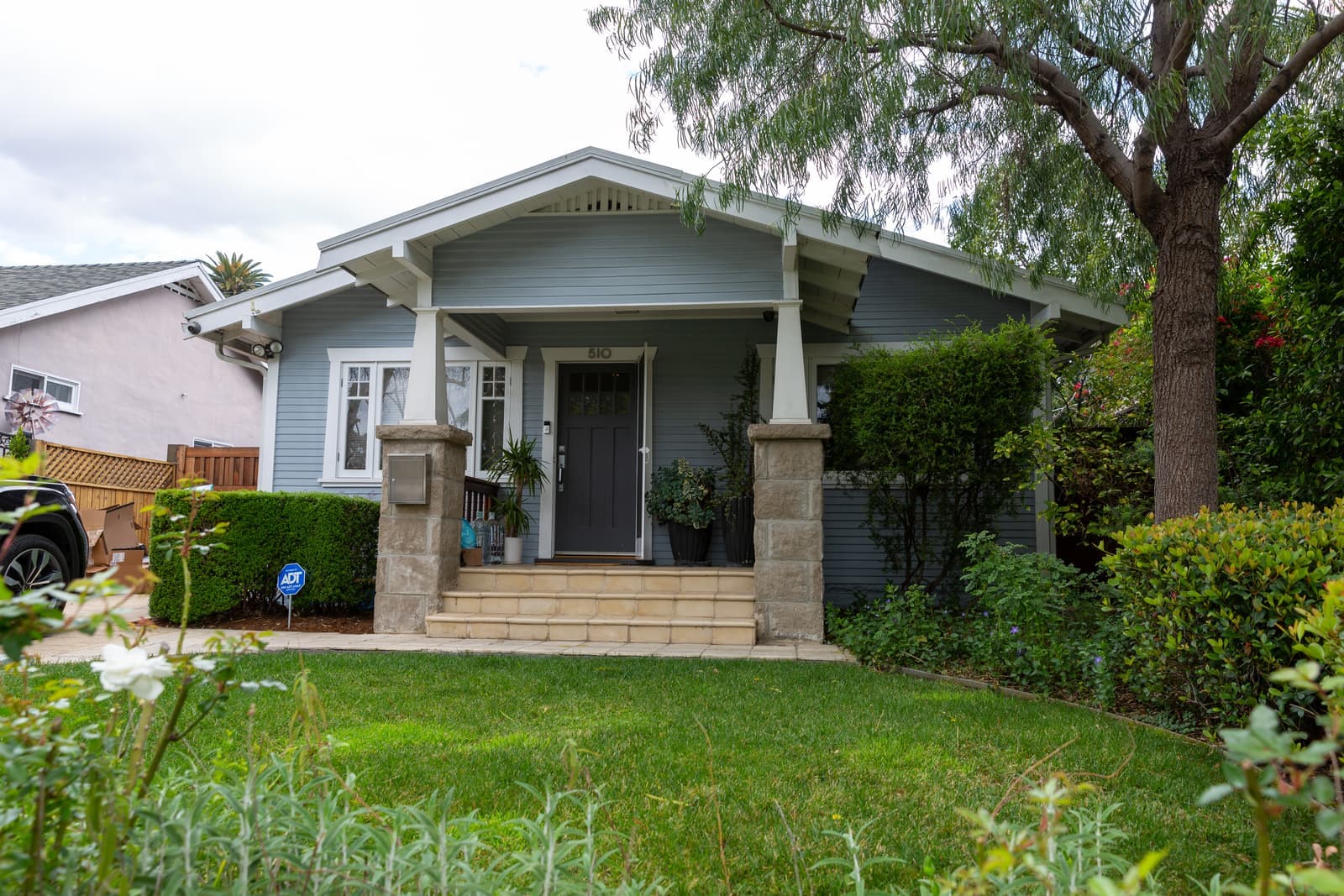
- 1920s to 1940s bungalows, duplexes, and fourplexes on the interior blocks
- Condos and apartments on the boulevards are the entry point
- Oil-field methane checks; RSO on pre-October 1978 multi-unit buildings
Daily life around Third Street and Cedars-Sinai
Walkable errands with heavy traffic at the corners.
Third Street is the neighborhood's own shopping street, a run of cafes, restaurants, and boutiques between La Cienega and Fairfax, Joan's on Third among them. At its east end the Original Farmers Market keeps more than 100 vendors under the clock tower, with a tram to the Grove's 575,000 square feet of shops next door. Fairfax Avenue adds Canter's Deli and the Jewish bakeries and markets that give the corridor its identity. The Melrose Trading Post fills the Fairfax High lot with a flea market that has funded the school's arts programs since 1996.
Cedars-Sinai is the west end's economy and its traffic. With more than 3,000 physicians and 16,000 employees, the hospital fills Beverly Boulevard, Third Street, and San Vicente with shift changes, and its garages and the Beverly Center's set the parking pattern for the blocks around them. East of Fairfax, Pan Pacific Park is the nearest large green space, on the site of the Pan-Pacific Auditorium that burned in 1989. Wilshire's museum row, LACMA, the Academy Museum, and the Petersen, is at the southeast corner.
Schools are the Los Angeles Unified School District. Rosewood STEM Magnet on Croft Avenue is the elementary inside the neighborhood, and the Laurel Cinematic Arts and Creative Technologies Magnet, a K-8 on Hayworth Avenue just over the line in West Hollywood, is the other nearby campus, with an early education center for pre-kindergarten. Students are zoned to Fairfax High at Melrose and Fairfax, open since 1924, which enrolled 1,495 students in 2024-25 and has run the district's only visual arts magnet since 1981. Beverly Hills Unified doesn't serve any address here, and LAUSD's resident school locator settles the rest.

- Third Street shops, the Farmers Market, the Grove, and Fairfax Avenue on foot
- Cedars-Sinai and the Beverly Center set the traffic and parking on the west end
- LAUSD: Rosewood and Laurel magnets, Fairfax High; not Beverly Hills Unified
What to check before you buy in Beverly Grove
A house across the street can sit in another city, with its own rent rules and schools.
Start with which city the property is in. The West Hollywood and Beverly Hills lines zigzag along the north and west edges, sometimes mid-block, and a house can sit in a different city from the one across the street, with different rent rules, permits, and schools (Beverly Hills addresses get Beverly Hills Unified; nothing in Beverly Grove does). The Census Bureau's geocoder and the county assessor's map settle it in a minute.
If you plan to build, read the Residential Floor Area district first. Ordinance 182,754 applies to single-family lots between Colgate Avenue, Fairfax Avenue, Lindenhurst Avenue, and San Vicente Boulevard and ties the size of a new or expanded house to the size of its lot. It was written to stop the teardown-and-replace pattern of the 2000s and it does. Outside those blocks, the citywide Baseline Mansionization Ordinance applies.
If you plan to buy a duplex or fourplex, the tenancy is the deal. Buildings with two or more units first occupied on or before October 1, 1978 are under the Rent Stabilization Ordinance: the allowed increase is 3 percent from July 1, 2026 to June 30, 2027, and since February 2026 the formula runs at 90 percent of CPI with a 1 percent floor and 4 percent ceiling and no extra for utilities. Houses and newer condos that are rented fall under the city's Just Cause Ordinance instead, which still limits evictions. I want the rent roll, the registration, and any owner-move-in history before we talk price. FEMA maps the area as Zone X, minimal flood hazard, and the CAL FIRE 2025 hazard map shows no fire zone here.
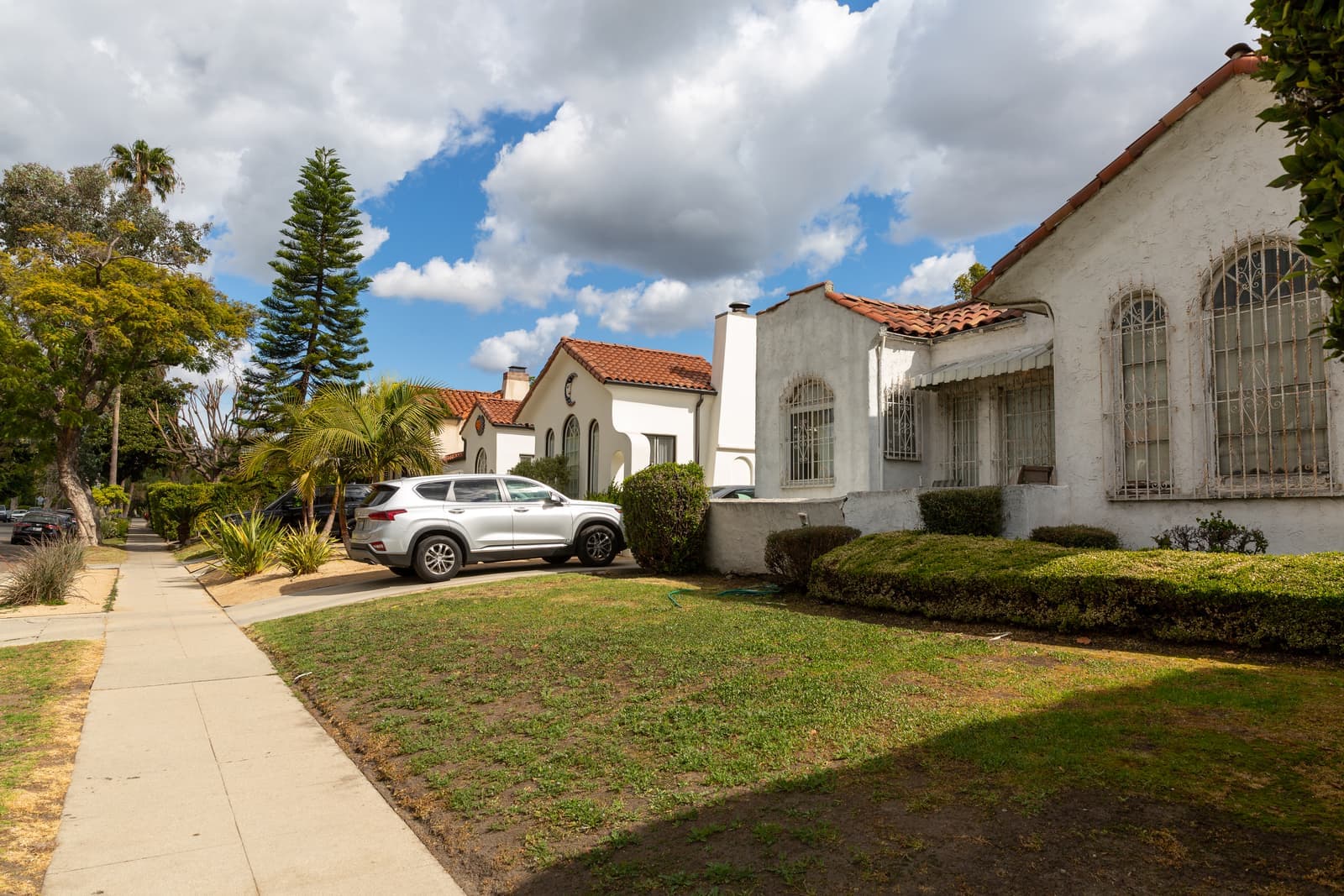
- Verify the city line parcel by parcel; Beverly Grove is Los Angeles
- Floor-area district on the interior single-family blocks; BMO elsewhere
- RSO on pre-October 1978 multi-unit buildings, 3% for 2026-27; FEMA Zone X; no fire zone
What sets prices in Beverly Grove
A house here costs less than in the cities on either side and more than in the blocks to the east.
As of September 2026 the middle half of Beverly Grove house listings asked about $2.3 million to $3.9 million, with a median near $2.8 million; condos asked mostly $600,000 to $1.4 million, with a median near $855,000; and small 1920s and 1930s income buildings mostly $1.8 million to $2.5 million. That puts a comparable house below Beverly Hills and above the Fairfax District and Mid-Wilshire blocks to the east. Duplexes and fourplexes trade on unit count, tenancy, and whether an owner's unit is delivered vacant. Condos span the widest spread, from mid-century walk-ups to newer buildings near the hospital.
Location inside the neighborhood matters more than it looks. The quiet interior blocks between Third and Beverly, away from the hospital and the mall, carry a premium over the streets that take Cedars-Sinai traffic. Walkability to Third Street and the Grove supports values on the east side; on the south side, the new Wilshire subway stations now count too.
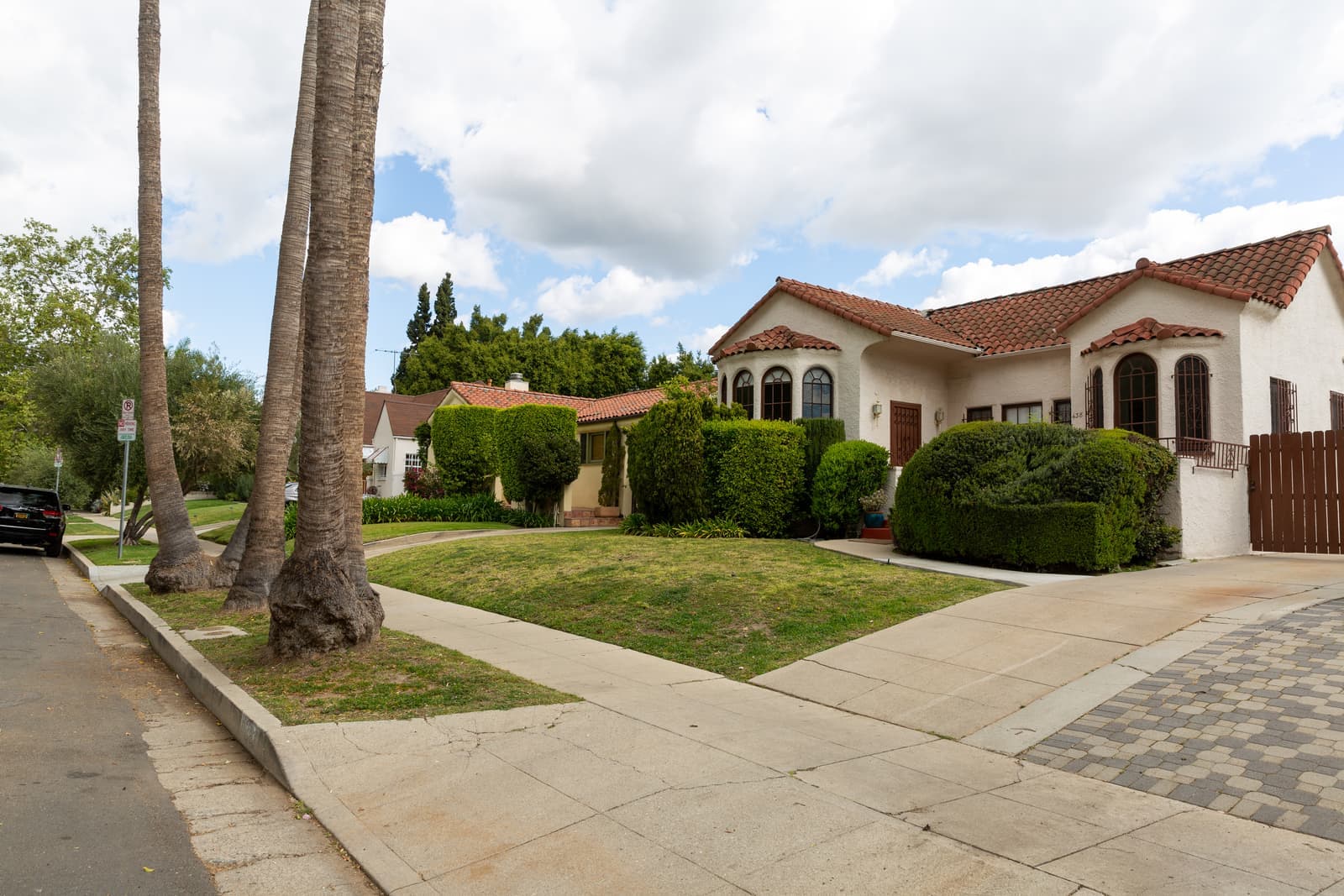
- Houses mostly $2.3M to $3.9M, condos $600K to $1.4M, asking, as of September 2026
- Interior blocks away from hospital traffic carry the premium
- Underwrite city of record, floor-area rules, RSO, and methane on each purchase
Flat streets and a new subway
You'll walk to Third Street and sit in hospital traffic on Beverly.
The grid is flat and short, so Third Street, the Farmers Market, and the Grove are on foot from most of the neighborhood. The boulevards are the cost: Beverly, Third, La Cienega, San Vicente, and Fairfax carry hospital, mall, and museum traffic, and Cedars-Sinai's shift changes are the daily rhythm on the west end. The 10 freeway is south past Pico; the 101 is east through Hollywood.
The subway reached Wilshire in 2026. The Wilshire/Fairfax and Wilshire/La Cienega D Line stations both opened on May 8, 2026, and Wilshire/La Brea opened the same day to the east. From the neighborhood's south side, downtown and Koreatown are a direct ride; the next sections west to Century City and Westwood are still under construction.
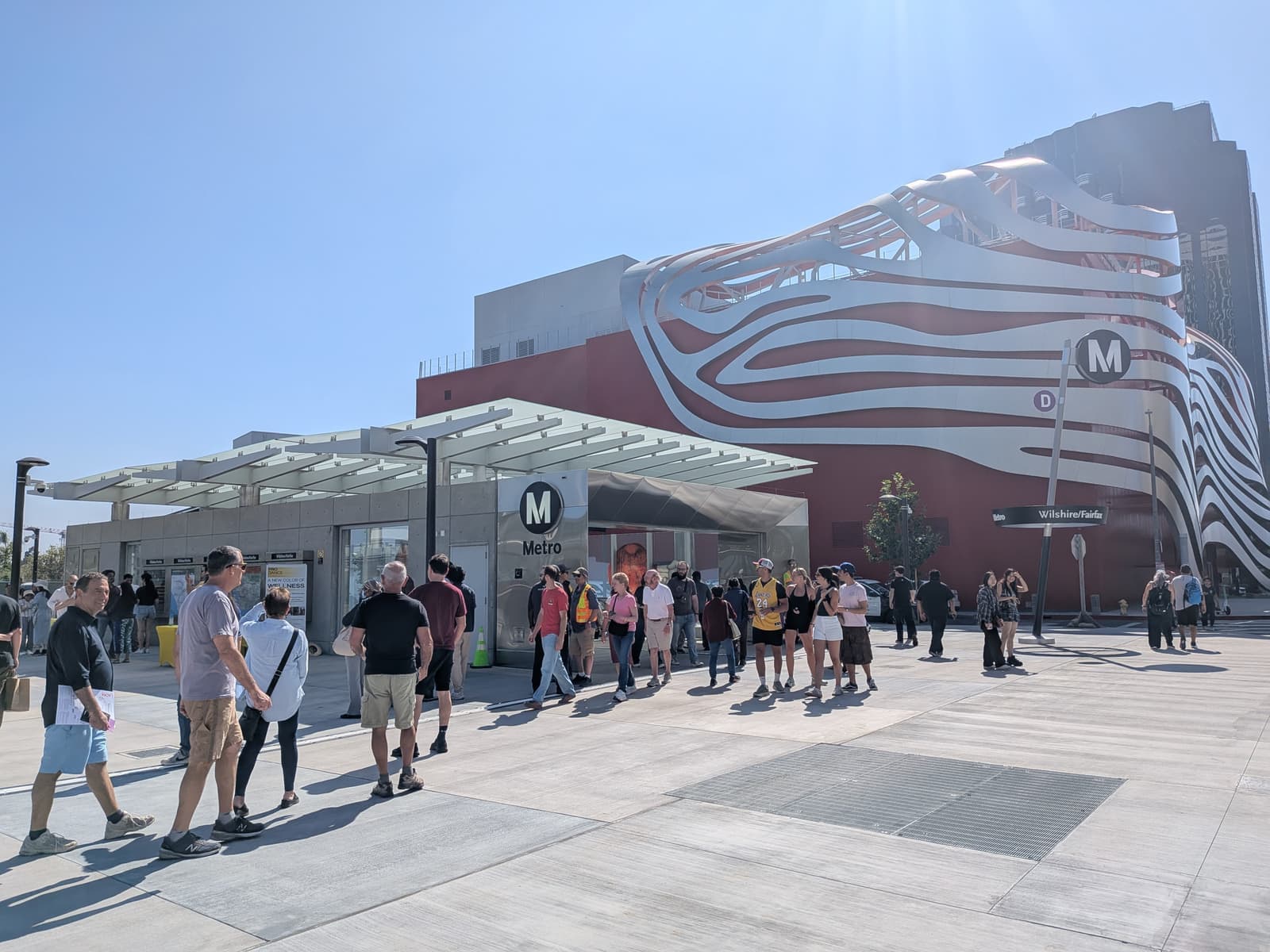
- Walkable interior grid; boulevards carry hospital, mall, and museum traffic
- D Line stations at Wilshire/Fairfax and Wilshire/La Cienega since May 8, 2026
- 10 freeway south past Pico; 101 east through Hollywood
More Beverly Grove facts
- Los AngelesCityNot Beverly Hills; ZIP 90048, LAUSD
- 1920sBuiltDuplexes and bungalows on the side streets
- 1.65 sq miArea25,430 residents in the 2020 census
- 2013Floor-area capOrdinance 182,754 limits new house size
- 915 bedsCedars-SinaiFirst patients 1976; 16,000+ employees
- May 2026SubwayWilshire/Fairfax and Wilshire/La Cienega opened





Rentals in Beverly Grove
68 active rentals in the mapped area
$3,300/mo
Condo2 bd2 ba1,100 sqft
131 N Orlando Avenue 101
$4,500/mo
Condo1 bd1 ba925 sqft
124 S Croft Avenue 101
$7,695/mo
Condo2 bd2 ba1,336 sqft
320 S Willaman Drive 2
$6,288/mo
Condo2 bd3 ba1,651 sqft
128 N Swall Drive PH7
$23,000/mo
Single-Family5 bd6 ba4,200 sqft
6660 COLGATE Avenue
$15,500/mo
Single-Family4 bd5 ba3,190 sqft
459 N Croft Avenue
$12,995/mo
Single-Family4 bd4 ba2,463 sqft
439 N La Jolla Avenue
$3,500/mo
Condo2 bd1 ba1,200 sqft
117 N Kings 119 3/4
$7,700/mo
Condo1 bd2 ba1,005 sqft
8500 Burton Way 617
$7,800/mo
Condo1 bd1 ba994 sqft
8500 Burton Way 409
$5,599/mo
Condo2 bd3 ba1,632 sqft
530 N Hayworth Avenue A
$11,250/mo
Condo2 bd2 ba1,313 sqft
8500 Burton Way 703
$7,400/mo
Condo1 bd1 ba855 sqft
8500 Burton Way 606
$5,250/mo
Condo3 bd2 ba1,600 sqft
8349 W 4th Street
$3,600/mo
Condo2 bd2 ba1,200 sqft
131 N Orlando Avenue 304
$21,000/mo
Single-Family4 bd6 ba3,923 sqft
6252 Drexel Avenue
Questions & answers
No. Beverly Grove is a neighborhood of the City of Los Angeles that borders Beverly Hills on the west and West Hollywood on the north. Its ZIP code is 90048, its schools are Los Angeles Unified, and its taxes, permits, rent rules, and services are Los Angeles ones. The city limits run block by block through this area, so verify the city of record for any address with the county assessor's map before assuming anything from a listing that says Beverly Hills adjacent.
Explore near Beverly Grove
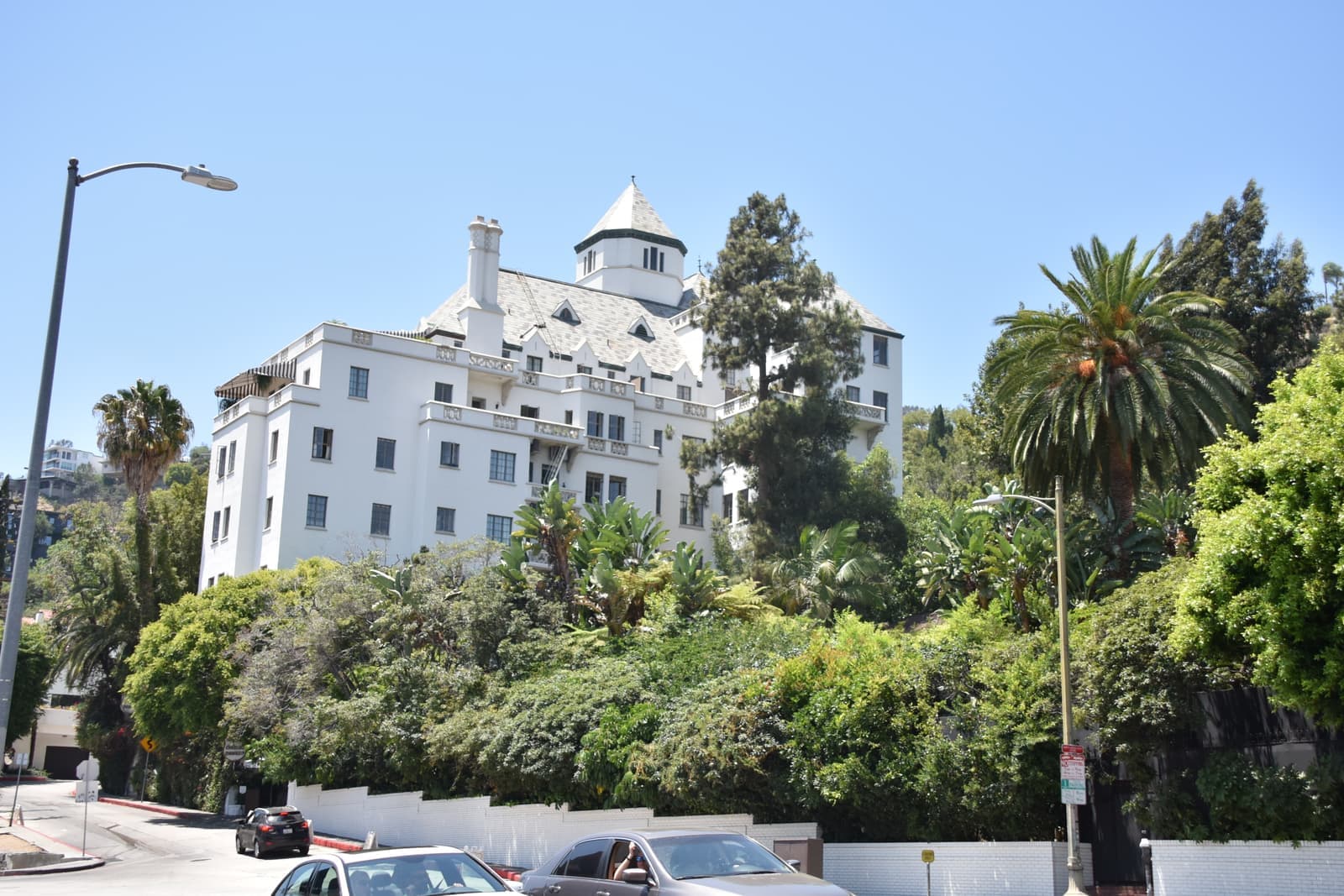
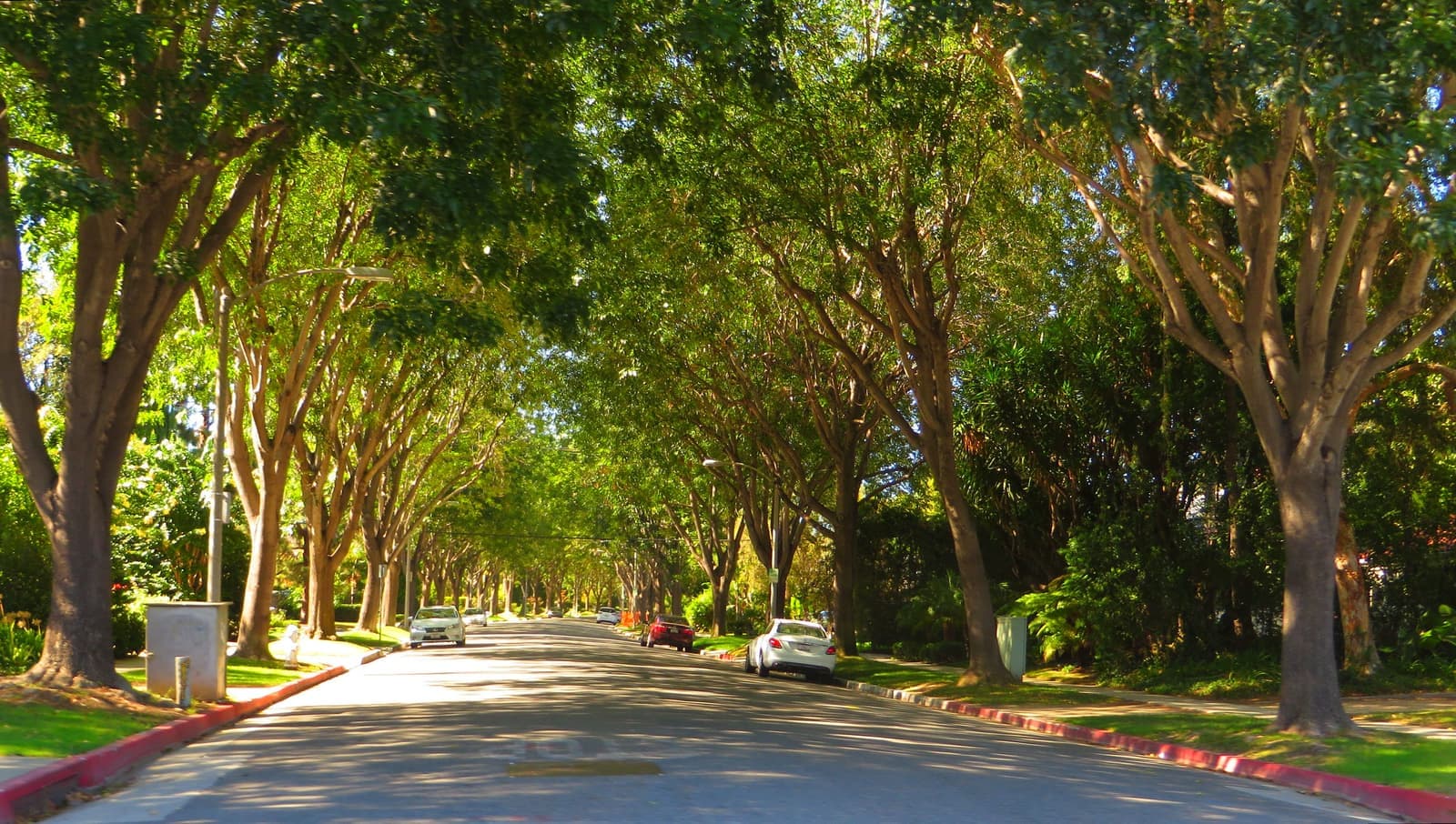
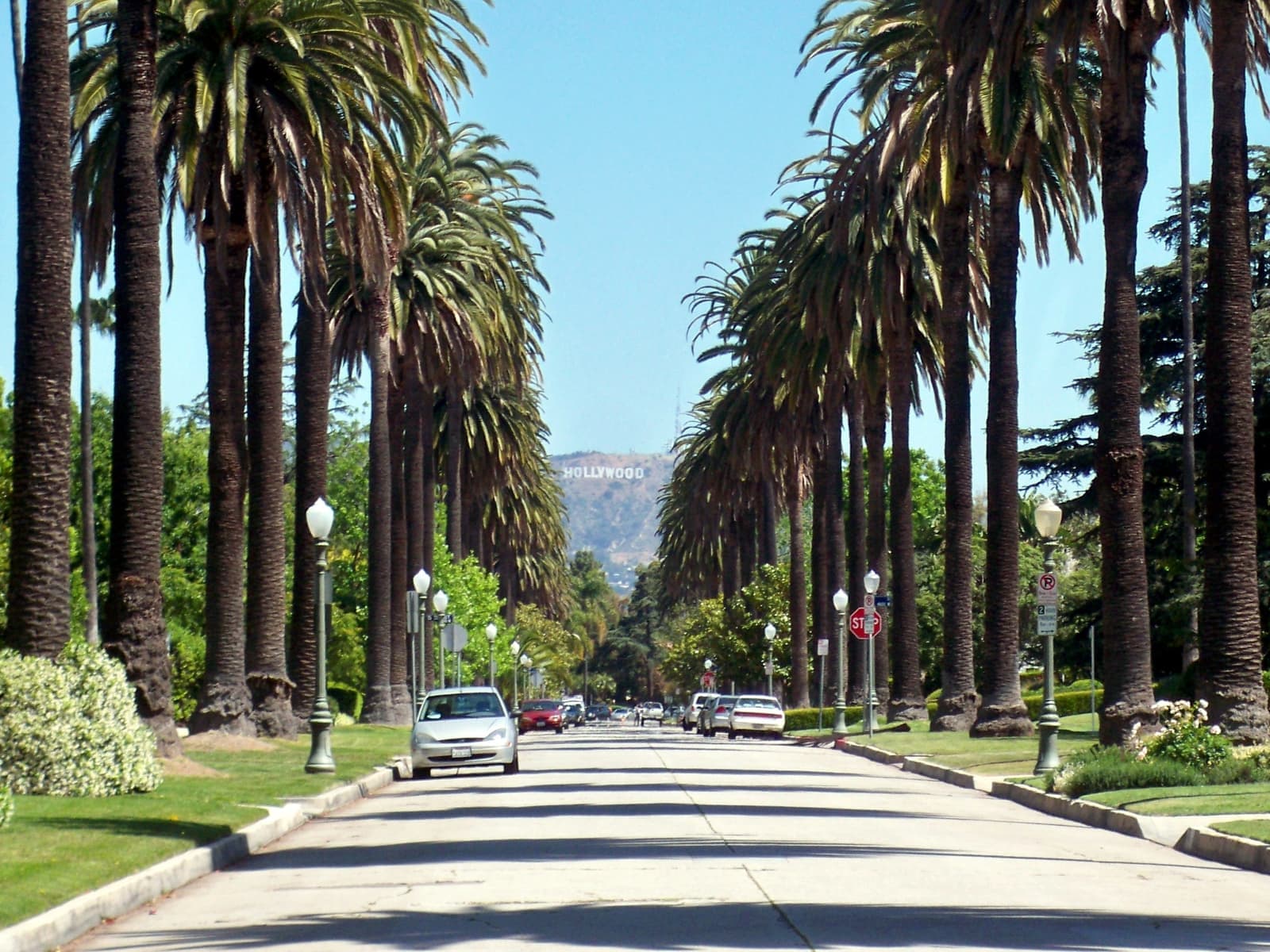
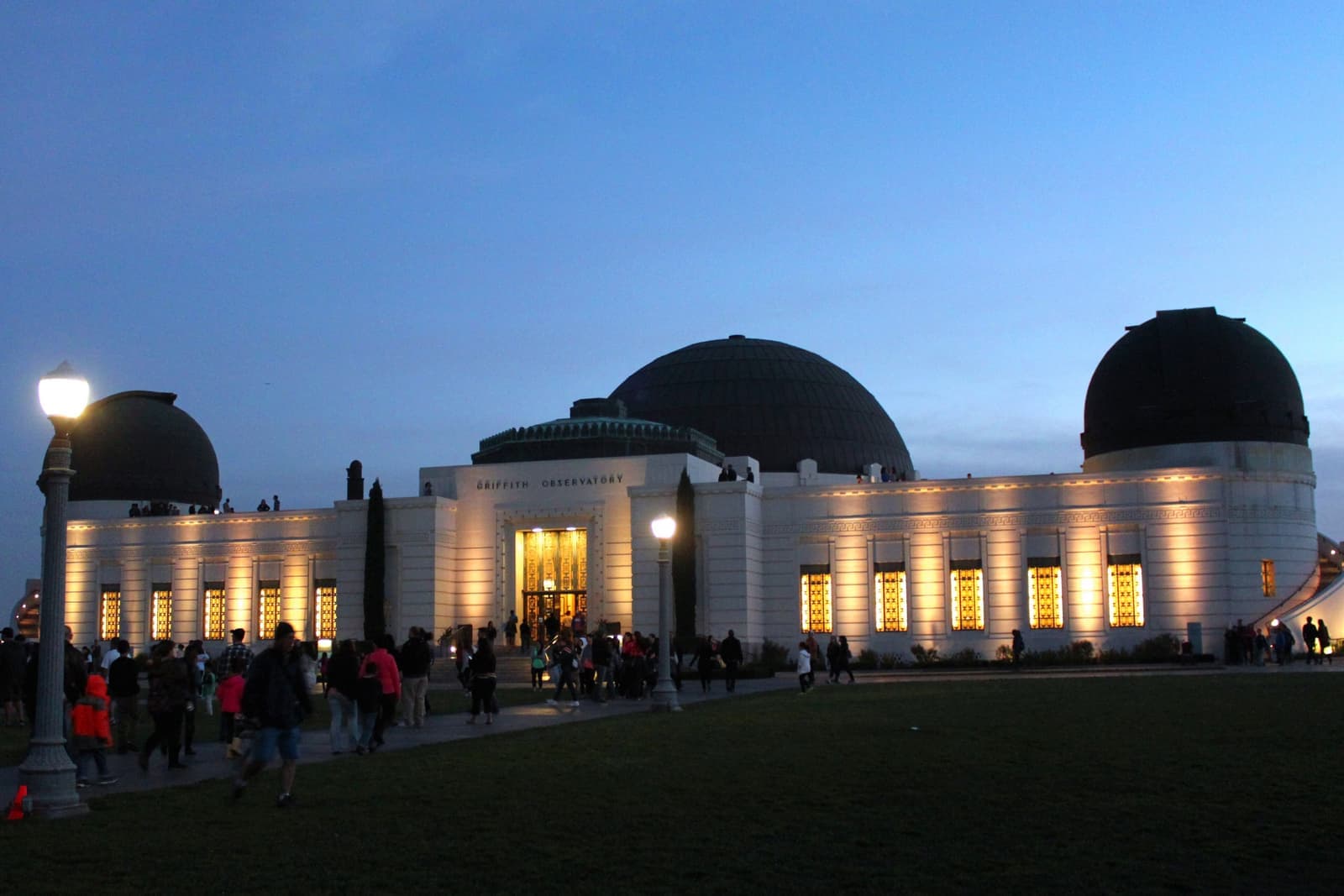
1.0 mi away · West HollywoodWest HollywoodA 1.89-square-mile city since 1984, wedged between Beverly Hills and Hollywood, where buyers mostly find condos and the east side around Plummer Park is Russian-speakingRead the guide ›1.8 mi away · Beverly HillsThe Beverly Hills FlatsCurving 1906 streets between Santa Monica Boulevard and Sunset, each planted with its own kind of treeRead the guide ›2.3 mi away · Beverly HillsTrousdale EstatesMidcentury houses on graded hillside pads above Sunset, held to 14 feet so the views stay openRead the guide ›2.5 mi awayHancock ParkThe 1920s neighborhood laid out around the Wilshire Country Club, where Revival houses sit 50 feet back from the street and the HPOZ keeps them that wayRead the guide ›3.5 mi awayHollywood HillsThe canyons and ridges above Sunset, from Laurel Canyon across the Cahuenga Pass to the Hollywood Sign, where every view comes with fire-zone fine printRead the guide ›5.6 mi awayLos FelizThe 1920s hills and flats under Griffith Park, where Frank Lloyd Wright and Richard Neutra built on the slope and the village streets sit belowRead the guide ›


Where we check the facts
The facts in this guide (districts, zones, rules) come from the official records below. We re-check them before property tours.
- City of Los Angeles Ordinance 182,754 (Beverly Grove Residential Floor Area district)clkrep.lacity.orgfloor-area limits and district boundaries
- Los Angeles Conservancy: Fighting Mansionization in Beverly Grovelaconservancy.org1920s construction, ICO 2006, RFA district 2013
- Los Angeles Housing Department: RSO Overviewhousing.lacity.govrent stabilization on pre-October 1978 multi-unit buildings
- Los Angeles Housing Department: Renter Protections (RSO formula change, 2026-27 increase)housing.lacity.gov3% through June 30, 2027; 90% of CPI, 1% to 4%, from February 2, 2026
- Los Angeles Unified School Districtlausd.orgschool assignments and attendance boundaries
- U.S. Census Bureau Geocodergeocoding.geo.census.govcity of record by coordinate
Show all 10 sourcesShow fewer
- Los Angeles Metro: D Linemetro.netWilshire/Fairfax and Wilshire/La Cienega stations
- CAL FIRE Fire Hazard Severity Zones (LRA 2025), LAFD map servicefiregis.lafd.orgno fire hazard zone on a grid over the area
- FEMA Flood Map Service Centermsc.fema.govflood zones by address
- CRMLSgo.crmls.orglisting and market data
Photo credits (8)
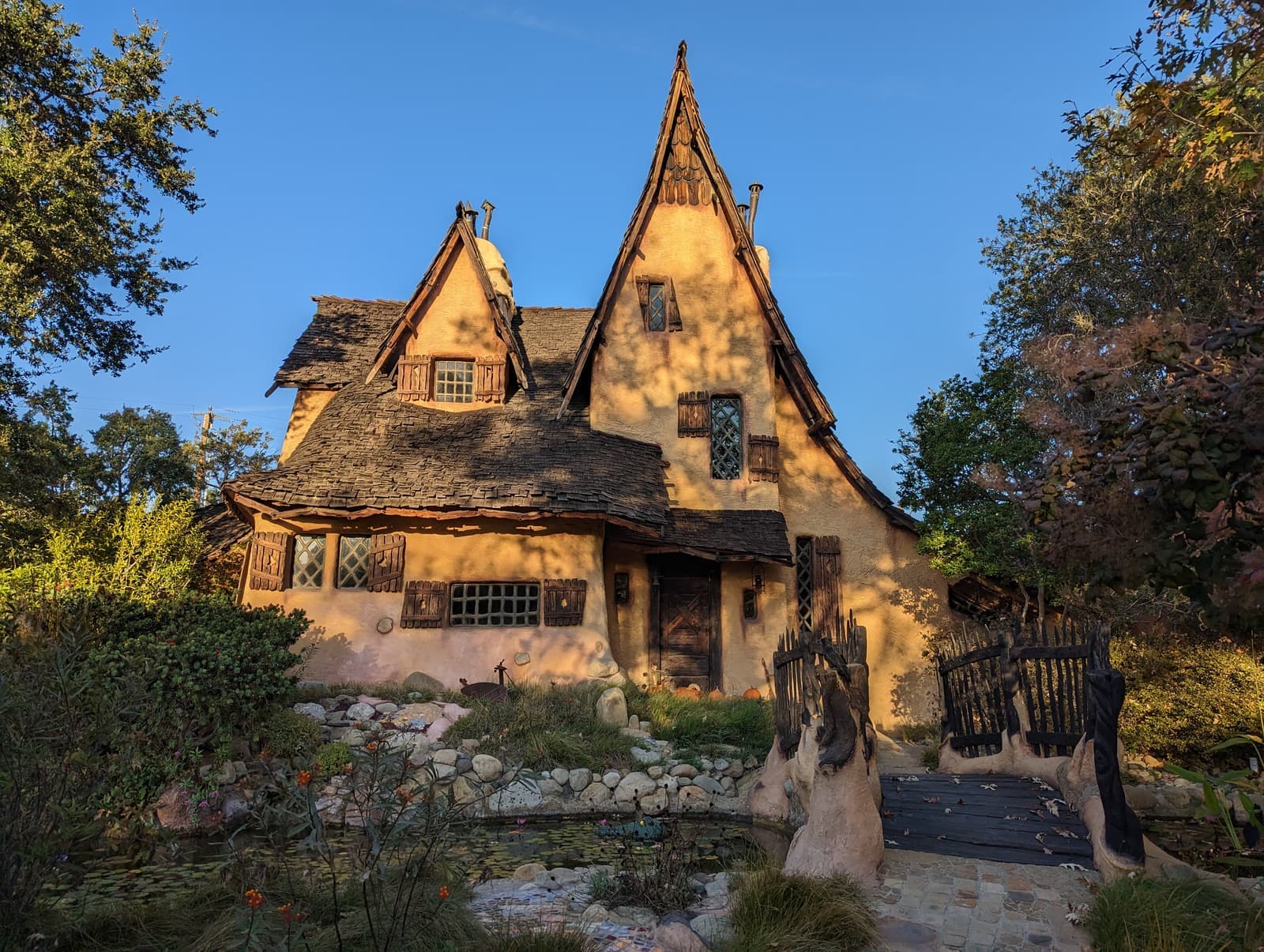
- A storybook house wrapped in bougainvillea on Lindenhurst AvenueDowntowngal, CC BY-SA 3.0
- A Spanish style bungalow behind tree ferns and azaleas on Edinburgh AvenueShesmax, CC BY-SA 4.0
- Lunch under the ficus trees at the Original Farmers Market, across Fairfax AvenueNewtonCourt, CC BY-SA 4.0
- A Craftsman bungalow with a deep front porch on Edinburgh AvenueShesmax, CC BY-SA 4.0
- Palms and shoppers on Fairfax Avenue by Canter's, the neighborhood's eastern edgeClotee Pridgen Allochuku, CC BY-SA 3.0
- A white Spanish style house with arched windows on a side street west of FairfaxShesmax, CC BY-SA 4.0
- A Spanish style bungalow on a quiet corner in Beverly GroveShesmax, CC BY-SA 4.0
- The Wilshire/Fairfax subway entrance, across Wilshire from Beverly GroveECTran71, CC BY-SA 4.0