



The Flats asks 3.1 times as much as Beverly Hills does as a whole.
The Flats$18.8M
All of Beverly Hills$5.99M
Curving 1906 streets between Santa Monica Boulevard and Sunset, each planted with its own kind of tree
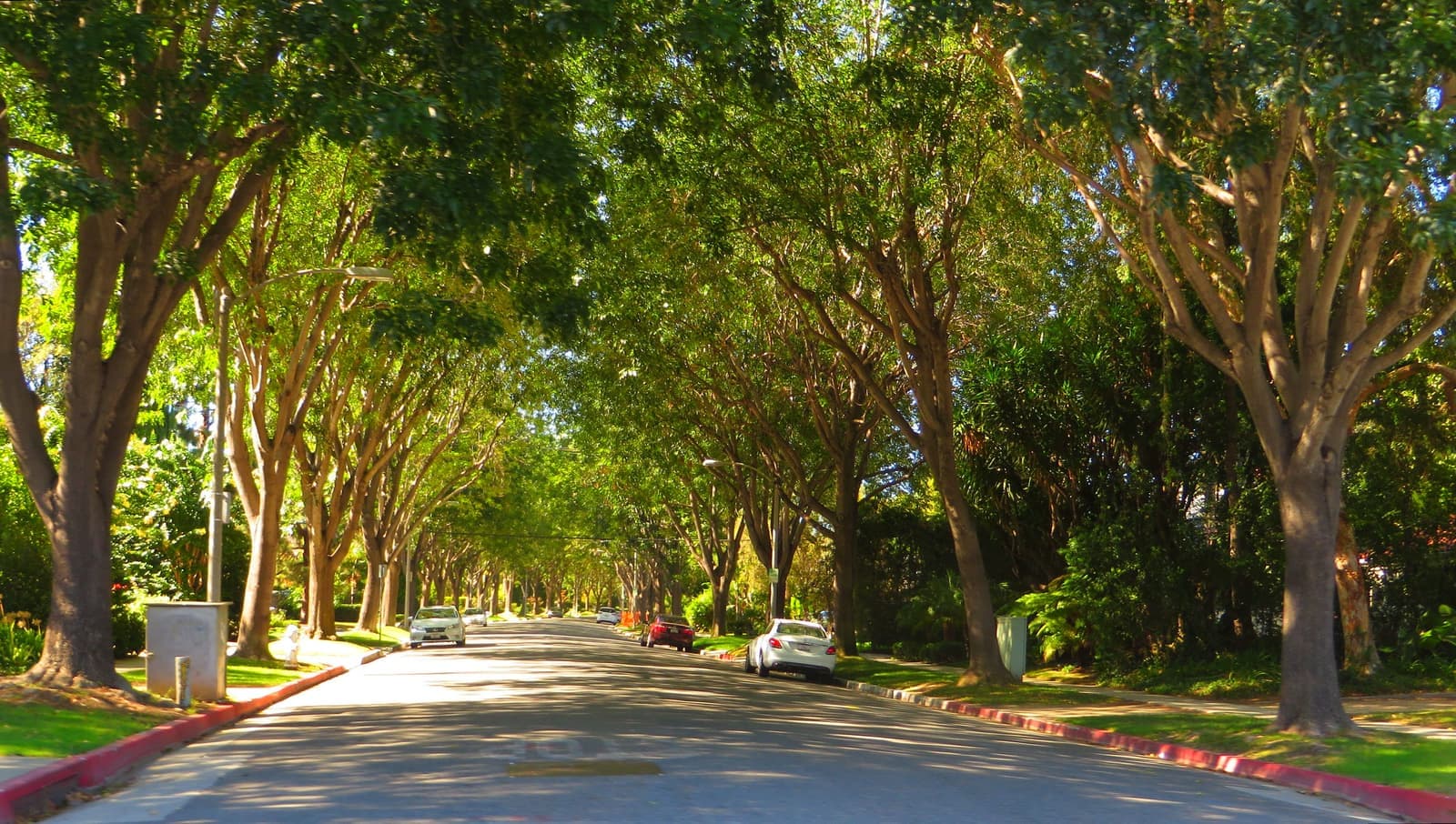
The Beverly Hills flats are the residential blocks between Santa Monica Boulevard and Sunset Boulevard, laid out on curving streets by the Rodeo Land and Water Company in 1906. County records show about 1,770 houses here on a median lot of roughly 14,500 square feet, and 61% of the houses with a recorded build year date from before 1940, most of them Spanish, Tudor and Colonial Revival houses from the 1920s. The developers planted one tree species along each street, and most streets still follow that pattern. In late September 2026, 21 houses were listed, asking from about $3.4 million to $35 million.
Sources: U.S. Census Bureau, ACS 5-year 2019–2023; neighborhood facts compiled by The Slava House.
What people mean by the flats, and where they start and stop.
When people in Beverly Hills say the flats, they usually mean the single-family blocks between Santa Monica Boulevard and Sunset Boulevard, from Doheny Drive on the east to the city line near Whittier Drive on the west. This guide uses that definition. The streets south of Santa Monica are flat too, but their lots are smaller and the rules differ in places, and north of Sunset the land turns into hillside.
The layout goes back to the first plan for the town. Landscape architect Wilbur Cook drew three tiers: a business district and smaller lots south of Santa Monica Boulevard, the middle tier between Santa Monica and Sunset laid out on gently curving streets with larger lots toward Sunset, and estates in the foothills above. The city's 1996 street-tree plan describes the middle tier as land meant for upper-middle-class families.
Two things frame the flats. Beverly Gardens Park runs along the whole southern edge, 1.9 miles and 23 blocks from Doheny Drive to Whittier Drive. Along the top is Sunset, with the Beverly Hills Hotel and Will Rogers Memorial Park facing each other at Canon Drive. Century City is about 2 miles away by car.
The Flats asks 3.1 times as much as Beverly Hills does as a whole.
A square foot in The Flats costs 51% more than across Beverly Hills.
Listings in The Flats have been on the market 14 fewer days than across Beverly Hills.
Homes for sale in The Flats are 92% bigger than across Beverly Hills.
Each card sets the median in The Flats against all of Beverly Hills. The arrow on a card lists every Beverly Hills neighborhood we cover. Asking prices for homes on the market right now inside each mapped area, not sale prices. The Flats: houses only. Updated October 4, 2026, 3:00 AM PT
19 active listings in the mapped area
I’m a Long Beach Realtor and I work Beverly Hills too. Tell me what you’re after in The Beverly Hills Flats and I’ll help you get there.
Slava Ploshkin · DRE #02323623English and Russian
The restaurants, cafes, shops, parks, and landmarks that give The Beverly Hills Flats its everyday character, most within a short walk.
10 places
Pick one and I’ll show you where it is.
Park15 min walk
The 1.9-mile park along the north side of Santa Monica Boulevard, 23 blocks from Doheny Drive to Whittier Drive. The lily pond and the Beverly Hills sign sit on the original blocks between Rodeo and Crescent drives.
A continuous path runs well back from the boulevard traffic for most of the park's length.
Park5 min walk
The small park at Sunset Boulevard and Canon Drive, across from the Beverly Hills Hotel. Wilbur Cook laid it out, and the city lists it as Local Landmark No. 27.
Landmark15 min walk
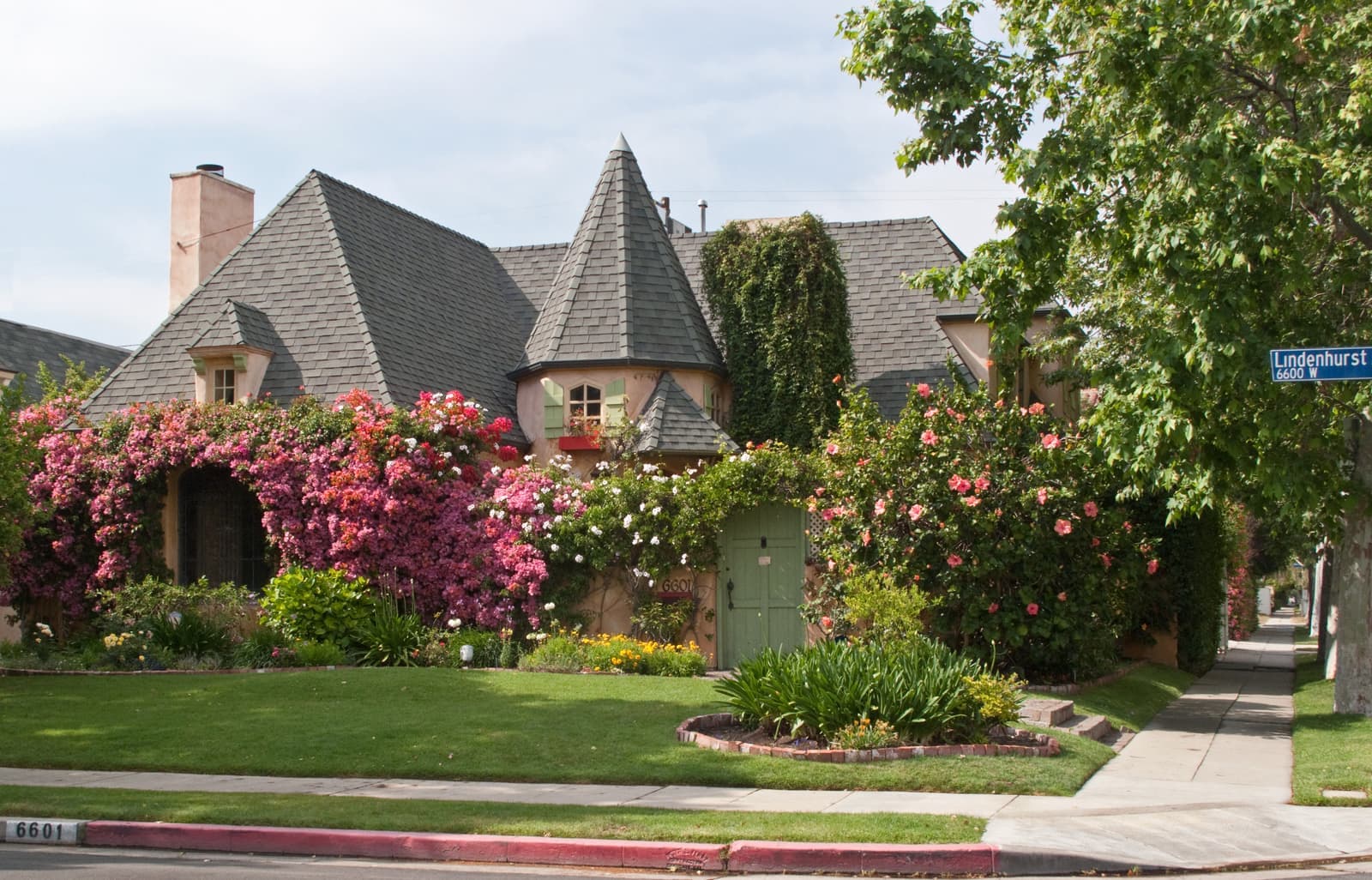
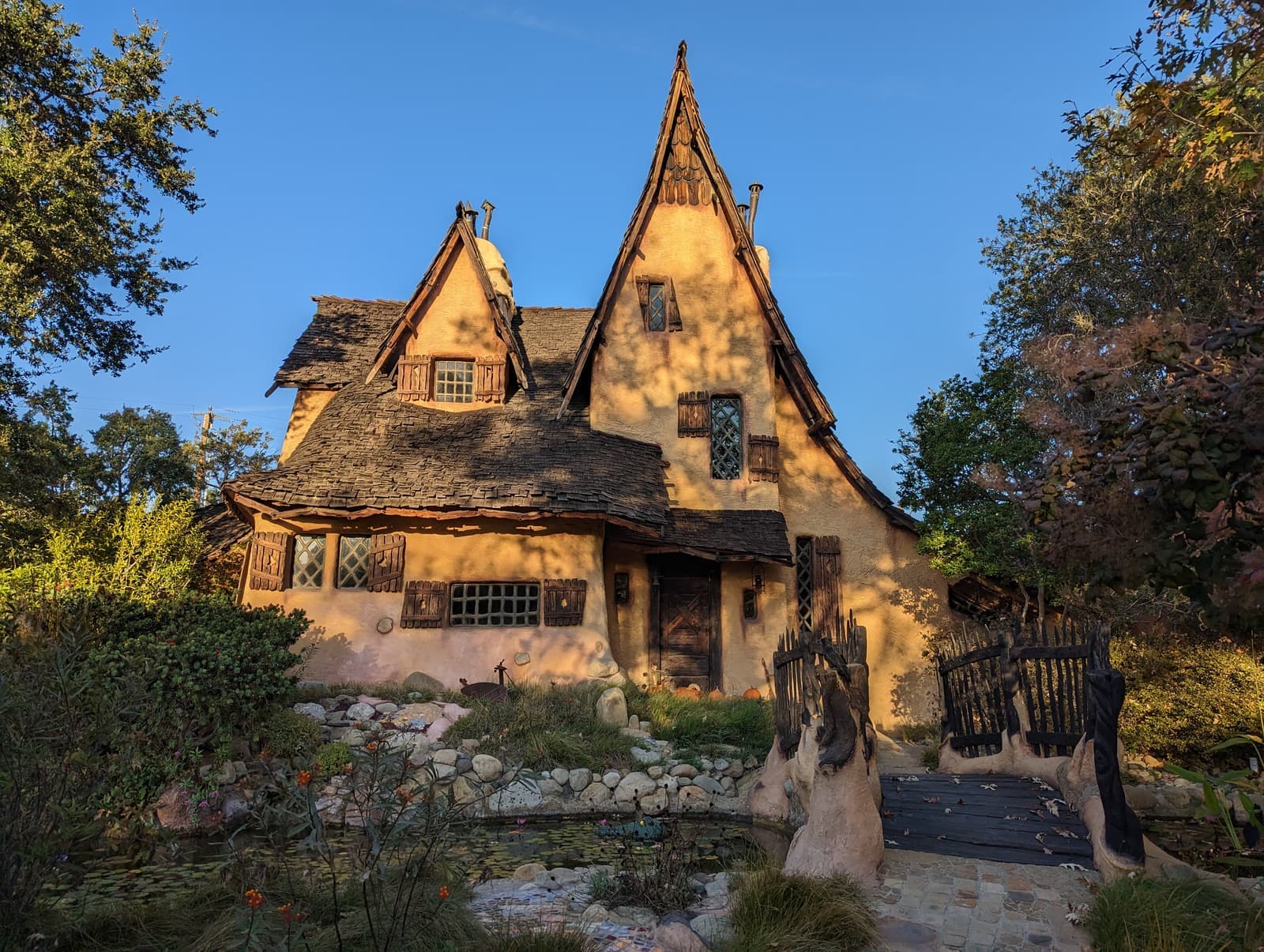
A storybook house on Walden Drive, built in 1920 and designed by Harry Oliver. It's Beverly Hills Local Landmark No. 8.
It's a private home. Look from the sidewalk.
Restaurant · Nearby5 min walk
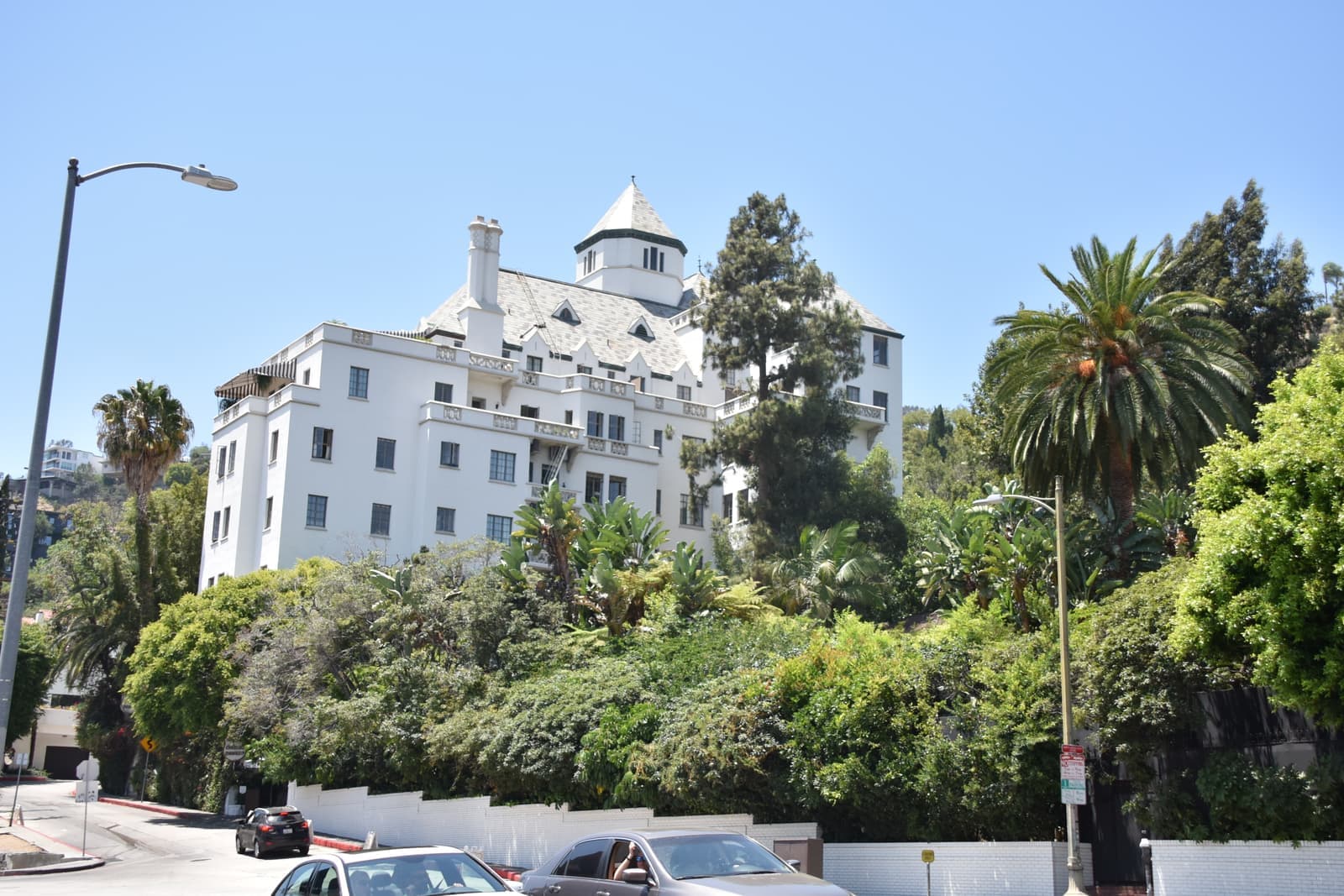
The hotel on the north side of Sunset, dated 1912 on the city's landmark register and listed as Local Landmark No. 1. The Polo Lounge restaurant is inside.
Landmark · Nearby20 min walk
The fountain at the point where Santa Monica and Wilshire boulevards meet. Its lights were first switched on in June 1931, and the frieze around the basin tells the history of California.
Landmark · Nearby20 min walk
The 1932 City Hall by Koerner and Gage, with its tiled dome, just south of Santa Monica Boulevard. It's Local Landmark No. 12 and where planning and permit questions get answered.
Shopping · Nearby25 min walk
The shopping blocks of Rodeo Drive in the business triangle between Santa Monica and Wilshire, a short walk from the south end of the flats.
Restaurant · Nearby30 min walk
Spago's Beverly Hills restaurant on North Canon Drive, a short walk south of Santa Monica Boulevard.
Coffee · Nearby15 min walk
A coffee bar at 490 North Beverly Drive, just across Santa Monica Boulevard from the flats.
Park · Nearby25 min walk
The 1928 Doheny mansion and its gardens, a city park north of Sunset on Loma Vista Drive. The grounds are open 10 a.m. to 6 p.m. daily.
The men who bought this land wanted oil. They found water and built a town.
In early 1906 a syndicate that included Charles Canfield, Burton Green and Max Whittier agreed to buy the 3,055-acre Hammel and Denker ranch for $1,222,000, hoping to drill for oil. They found water instead and decided to build a town. The Rodeo Land and Water Company took title that spring and named it Beverly Hills, after Beverly Farms, Massachusetts, where Green had spent summers. The subdivision was recorded on October 22, 1906, and the first house was finished in November 1907.
Wilbur Cook had worked with the Olmsted office before coming to California, and he gave the town curving streets instead of the usual grid. The company hired nurseryman John Reeves to plant a different kind of tree along the full length of every street, and the trees went in before most lots sold. Sales were slow until the Beverly Hills Hotel opened at the top of the flats, and the town incorporated in 1914.
Most of the flats filled in during the 1920s and 1930s. County records put the median build year of today's houses at 1930, and 45% of the houses with a recorded year date from the 1920s alone. In 1928 property owners north of Santa Monica Boulevard pushed the city to buy the strip along the boulevard so it wouldn't turn commercial, and by summer 1931 it was Beverly Gardens Park, with the Electric Fountain at Wilshire lit for the first time on June 12, 1931.

The planting plan from 1906 is still visible block by block, and the street names don't always match the trees.
The city keeps an inventory of about 27,500 public trees, and roughly 7,100 of them stand in the flats. When I matched each tree to its nearest street in September 2026, most streets still showed one dominant species. North Maple Drive is 92% camphor trees. North Palm Drive is 87% jacaranda, and North Elm Drive is mostly Chinese elm. North Crescent Drive and North Camden Drive are mostly southern magnolias, North Arden Drive fern pines, and Alpine Drive Shamel ash.
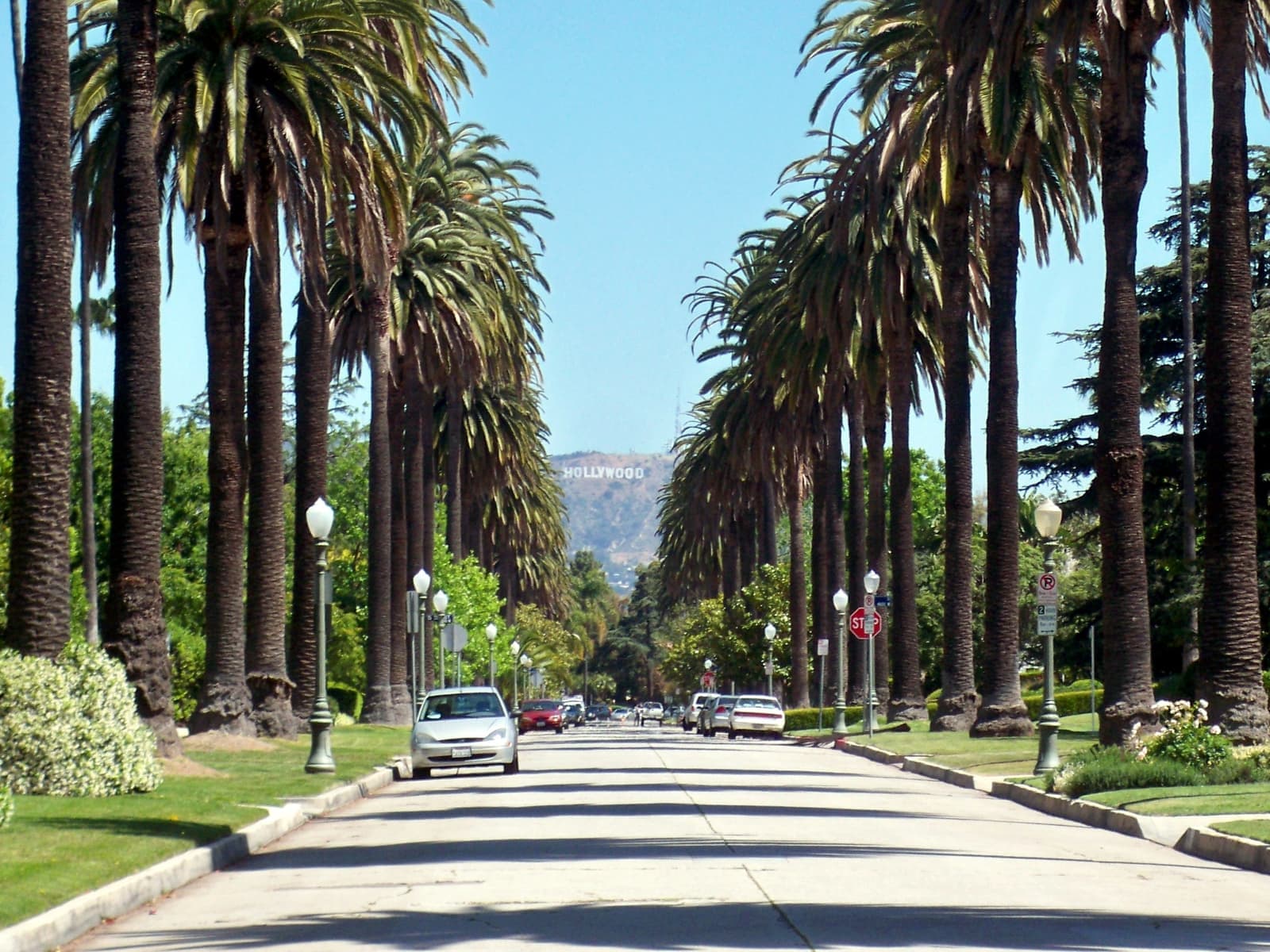
The tall, skinny palms that show up in most photos of Beverly Hills are Mexican fan palms. They're the most common tree on North Canon, North Beverly, North Bedford and Foothill Road. On the far west side, Whittier Drive and North Alta Drive are about 90% jacaranda, and they turn purple when the trees bloom in late spring. North Roxbury Drive is 82% tipu trees, the species the city's 1996 street-tree plan picked to replace aging American elms there.
Trees on private land are regulated too. You need a city permit to remove a protected tree that stands between the house and the street. That covers native trees at least 24 inches around and any tree at least 48 inches around, and a grove of 50 or more trees can be protected anywhere on the lot. If you're planning a rebuild, bring an arborist in early, because the city can ask for an arborist's report before it issues a removal permit.

What's on the lots, and what buying or renting one cost in September 2026.
County parcel records show about 1,770 houses in the flats. The median lot is about 14,500 square feet, about a third of an acre, and the middle half of lots runs from about 12,400 to 18,600 square feet. Lots get bigger toward Sunset. The median house on record is about 5,000 square feet.
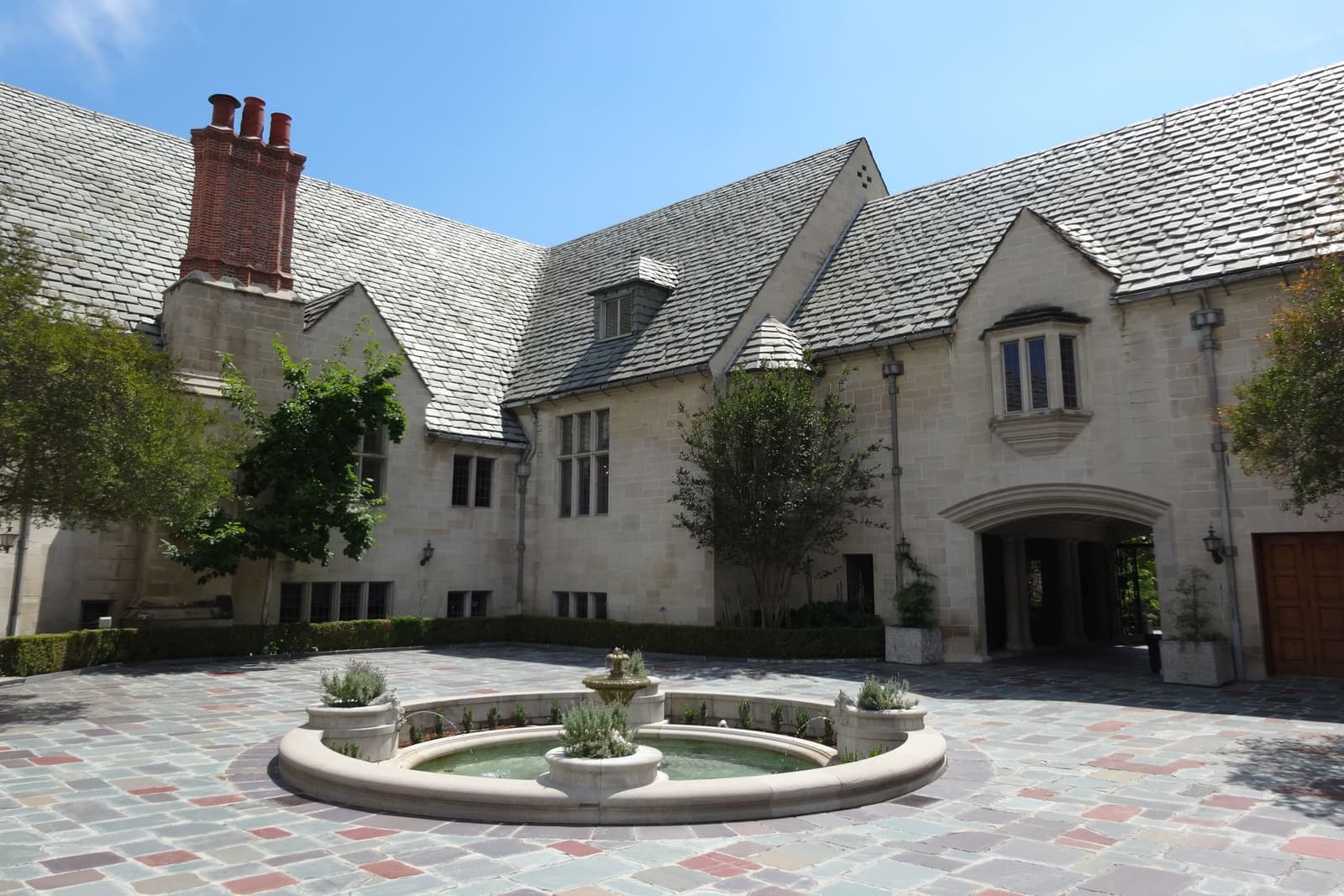
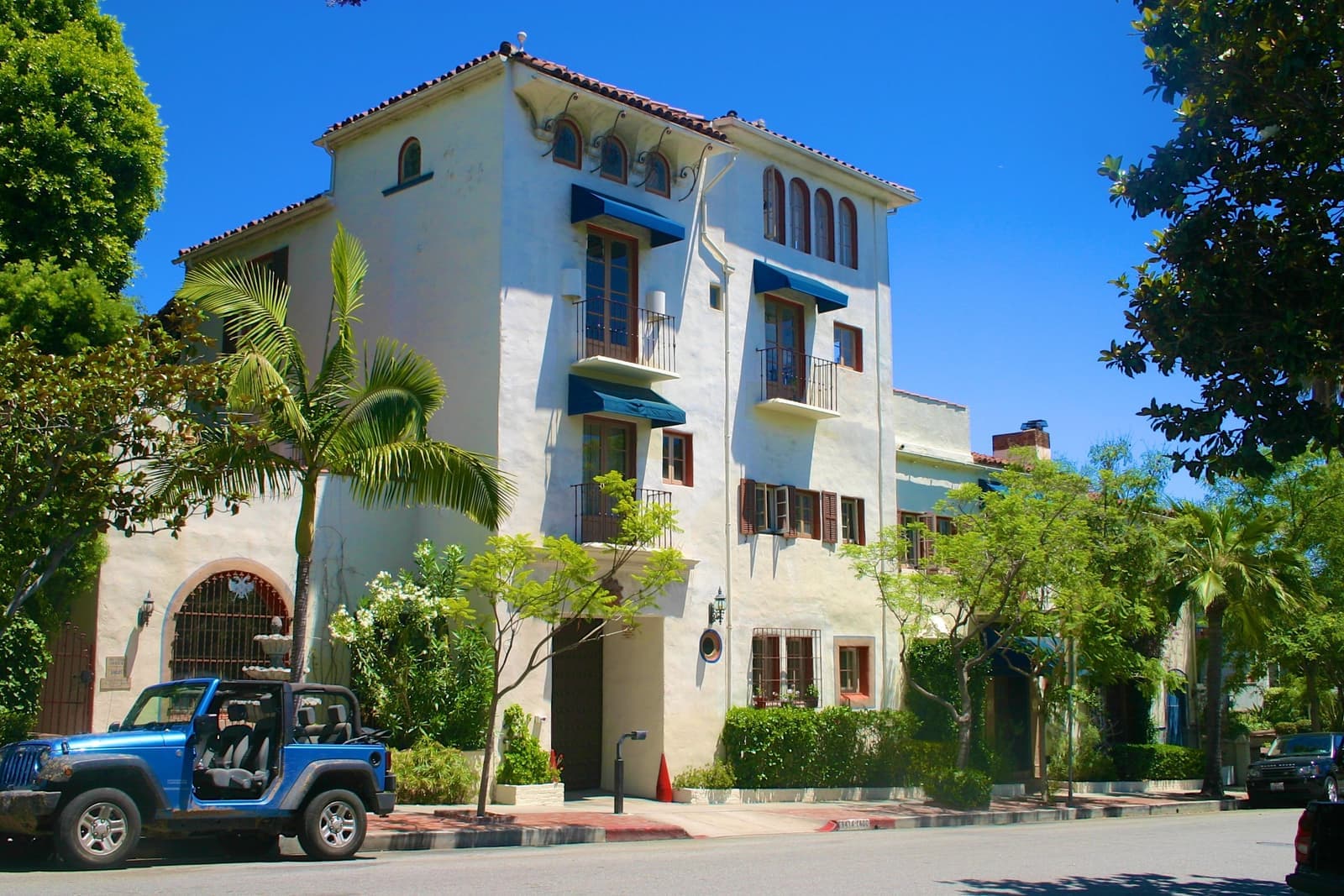
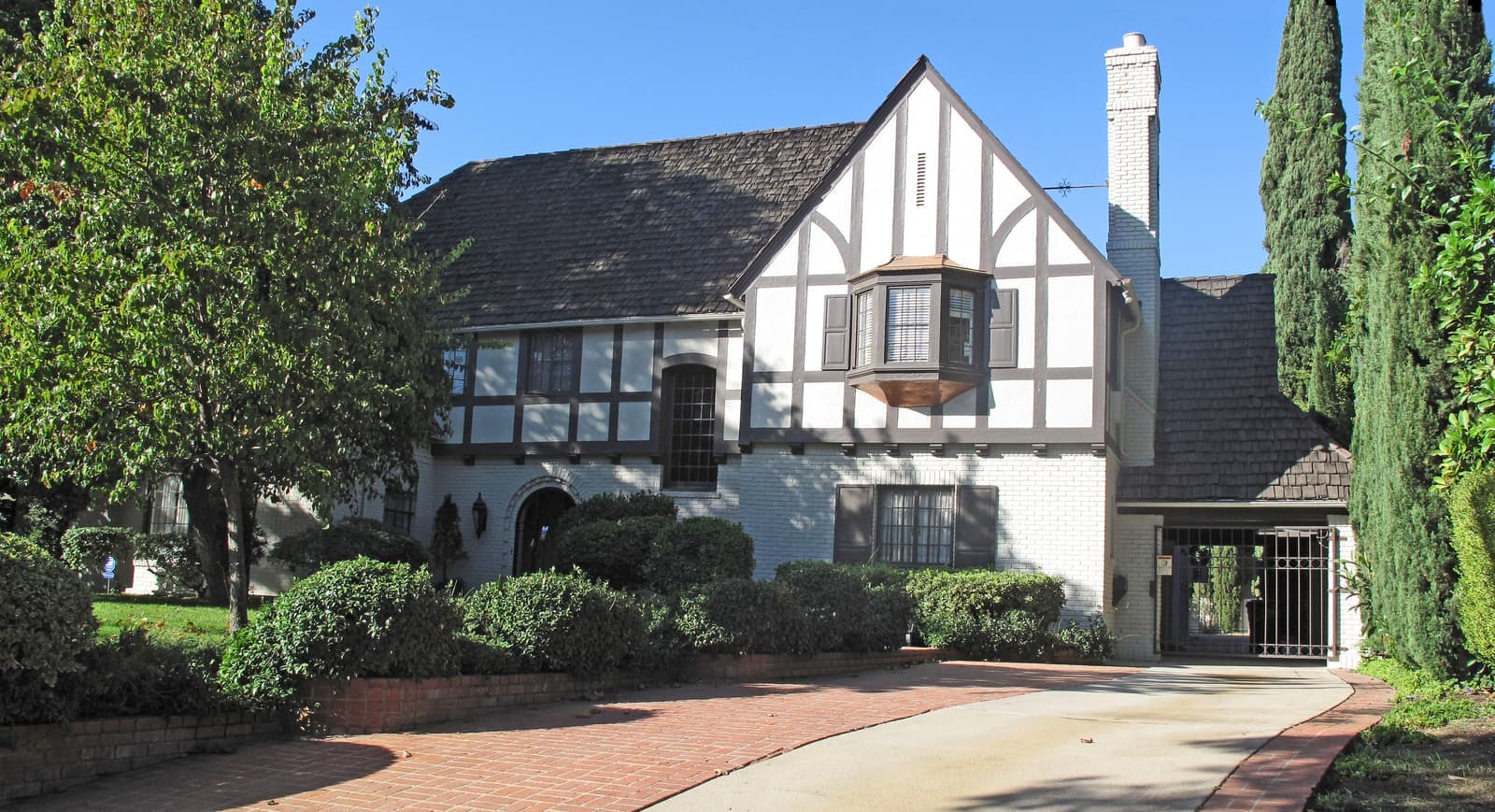
Most of the housing is original to the 1920s and 1930s: Spanish Colonial, Tudor, Colonial Revival and French-influenced houses set back behind deep lawns. Many have been added to over the decades, and about 1 in 10 houses on record was built in 2000 or later. The build year on the county roll describes the original structure, so on an older house ask what's been rebuilt and when.
In late September 2026, our mapped flats had 21 houses for sale. Asking prices ran from about $3.4 million, for a small house on Doheny Drive at the east edge, to $35 million, and 17 of the 21 were between about $6.5 million and $22.5 million. There were also 29 houses for rent, asking from $16,500 to $225,000 a month, with the middle one at $48,000.

The floor-area formula, and why two lots can't become one house.
The flats are in what the city code calls the Central Area. The house and every other building on the lot together can't exceed 1,500 square feet plus 40% of the lot area, so a 14,500-square-foot lot allows about 7,300 square feet above ground. The same cap covers both units if you build a second unit under the state's SB 9, and if a lot is split, the new lots together get no more floor area than the original lot had.
Basements don't count toward floor area in single-family zones. The code treats a level as a basement if its finished floor is no more than 3 feet above finished grade anywhere around the building, and a basement can extend past the house footprint as long as that part stays below grade. On a rebuild that makes a basement the one place to add space the formula doesn't count. Garages don't count either, up to 400 square feet.
North of Santa Monica Boulevard the main house can have a plate height of 22 feet and a building height of 28 feet with a flat or sloped roof, or 32 feet with a ridgeline roof, and a few more feet are allowed when each side yard is at least 10 feet. Exterior plans for a new house or a remodel that changes the look from the street go through design review. Since 2006 the code has also barred a house from sitting on more than one lot or being built across a lot line, and it caps each lot's width and depth at the average for its block, so buying the house next door doesn't let you build a compound. The City Council can waive some of these limits only through a Central R-1 permit.

Why the age and the architect of a house matter before you plan to change it.
Beverly Hills keeps a local register of historic properties, and the city's list names 45 landmarks as of September 2026. Several are houses in the flats: the 1920 Witch's House on Walden Drive, a Greene and Greene house on North Bedford Drive, a 1927 Wallace Neff house on North Alpine Drive, and a 1979 Buff and Hensman house on Alpine Drive, among others. The Beverly Hills Hotel is No. 1, and Beverly Gardens Park and Will Rogers Memorial Park are on the list as well.
The rules that catch most buyers apply to houses that aren't landmarks. Any work that changes the design, materials or appearance of a property on the city's inventory of eligible properties, or of a building at least 45 years old designed by someone on the city's list of master architects, waits 30 days before permits can issue, unless the city waives the hold. Sellers also have to give buyers notice when a house is a landmark, is on that inventory, or was designed by a master architect, before the inspection contingency runs out.
Landmark status has upsides. Designated landmarks can apply for a Mills Act contract, which can lower the property tax in exchange for maintaining the house, and the city's Historic Incentive Permit can waive some zoning standards. Applications for the Mills Act are due May 31 each year.

What owning here is like once you've moved in.
The flats are in the Beverly Hills Unified School District. Its elementary schools are El Rodeo, at 605 Whittier Drive in the western flats, and Horace Mann, south of Wilshire; Beverly Vista is the middle school and Beverly Hills High School is the main high school. The district assigns elementary schools with its online school finder, and if your school of residence is full in a grade, a child can be placed at the other one. Hawthorne School on North Rexford Drive held its last promotion ceremony in May 2024, and the campus has housed the district office since early 2025. Run your address through the district's finder to be sure.
The Beverly Hills Police Department covers the flats. Its May 2022 monthly report, the most recent I found on the city site, put the average response to emergency calls at 2.52 minutes. The Beverly Hills Fire Department inspects brush clearance each spring in the Very High Fire Hazard Severity Zone, which the city says covers the area north of Sunset and a few blocks south of it. On CAL FIRE's 2025 map for cities, blocks near Sunset such as Bedford and Rodeo at Lomitas are Very High or High, a band below them is Moderate, and about half of the flats, mostly the blocks toward Santa Monica Boulevard, isn't in a hazard zone at all.
Metro's D Line subway opened its Wilshire/La Cienega station on May 8, 2026, about 2 miles east of the middle of the flats, and the next section through Beverly Hills and Century City is still under construction. Beverly Hills is its own city, so the City of Los Angeles transfer tax under Measure ULA doesn't apply to sales here.

The documents and phone calls that decide what a house here is really worth to you.
I start with the house's age and architect. If it's at least 45 years old, I look up the architect against the city's master architect list and check whether the address is on the inventory of eligible properties, because either one can slow or stop the plans you're paying for. The seller's historic disclosure should arrive before your inspection contingency ends, and I ask for it sooner.
Then the numbers. I run the floor-area math on the actual lot size, check how much of the existing house would count, and look at whether a basement is realistic given the trees and the neighbors. I pull the permit history to see what was built with permits and what wasn't. On streets near Sunset I also check the fire-zone map, because it affects insurance quotes and brush-clearance inspections.
Last, the practical side: the elementary school from the district's finder, protected trees on the lot, and a written insurance quote on the address. If you're coming from out of town, all of that is done before you get on a plane.

27 active rentals in the mapped area
About $16,500 to $225,000 a month, as of late September 2026. That month 29 houses in our mapped flats were listed for rent, and the middle one was asking $48,000 a month. Most leases here are for whole houses; the flats have almost no apartments or condos.
The Beverly Hills flats are the single-family blocks between Santa Monica Boulevard and Sunset Boulevard, from Doheny Drive to the city line near Whittier Drive. The Rodeo Land and Water Company laid them out on curving streets in 1906. County records show about 1,770 houses on a median lot of about 14,500 square feet, most of them built in the 1920s and 1930s.
The facts in this guide (districts, zones, rules) come from the official records below. We re-check them before property tours.