





Rossmoyne asks 38% more than Glendale as a whole.
Glendale, California · Neighborhood guide
Rossmoyne
Glendale's largest historic district: 503 Period Revival houses from 1923 to 1950 on curving streets that climb from Glenoaks toward the Verdugo Mountains
Median askingRossmoyne$1.8M4 for sale
See homesRossmoyne, in short.
Rossmoyne is the hillside neighborhood directly north of downtown Glendale, between Glenoaks Boulevard and the Verdugo Mountains. The Haddock-Nibley Company began building it in 1923 on Judge Erskine Mayo Ross's old ranch and allowed only Period Revival designs, so the curving streets hold Spanish Colonial, Tudor and French-inspired houses under original cast-metal streetlamps. In July 2012 the City Council made the core the Rossmoyne Historic District: 503 houses plus Nibley Park, Glendale's largest. Exterior work there goes to the Historic Preservation Commission. As of late September 2026 five houses were listed, asking about $1.5 million to $3.5 million. Most of the neighborhood is a Very High fire hazard zone on the state's 2025 map.
Rossmoyne by the numbers.
- 12,563Population
- 59%Homeowner-occupiedoccupied homes
- 52%Bachelor's degree or higherage 25+
- $6,500/moMedian asking rentCurrent MLS listings
- $111,272Median household income
- 46.4Median age
Sources: U.S. Census Bureau, ACS 5-year 2019–2023; neighborhood facts compiled by The Slava House.
Glendale's largest historic district
A 1920s Period Revival neighborhood on the slopes north of downtown, protected since 2012.
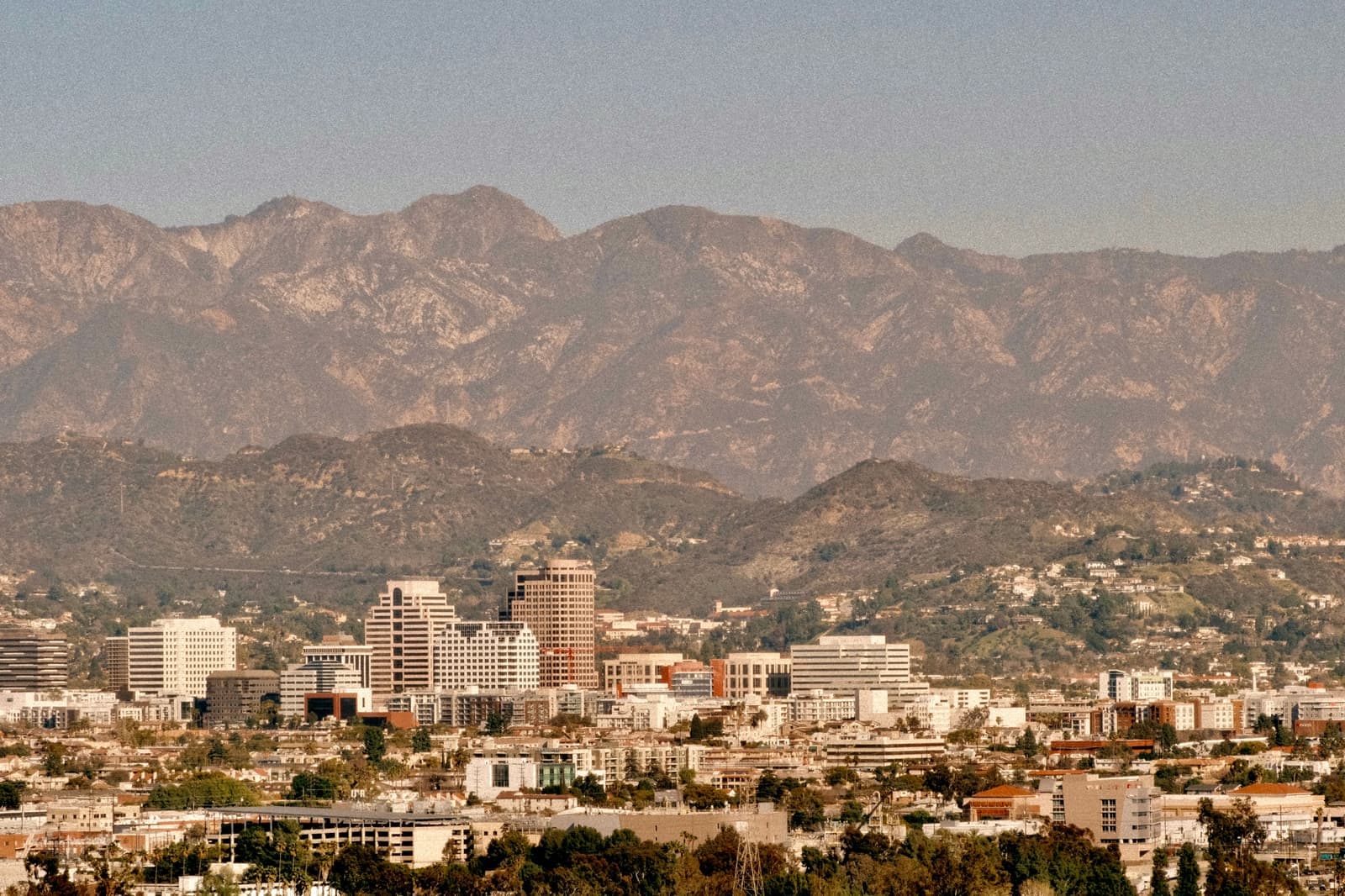
Rossmoyne sits directly north of downtown Glendale, between Glenoaks Boulevard at the bottom and the Verdugo Mountains at the top. The historic district runs from Glenoaks north to Mountain Street, Del Rey Drive and Hillcroft Road. Cordova Avenue and Carmen Drive form the west edge and Ethel Street the east. Beyond Mountain Street, Royal Boulevard and the hillside streets carry the neighborhood up toward the ridge.
One developer laid it out and set the rules. The Haddock-Nibley Company started in 1923, allowed only Period Revival architecture and had its own office approve the plans. That's why the city now calls these Spanish Colonial Revival, Tudor Revival and French-inspired houses some of its finest residential architecture. It was largely built out by 1950.
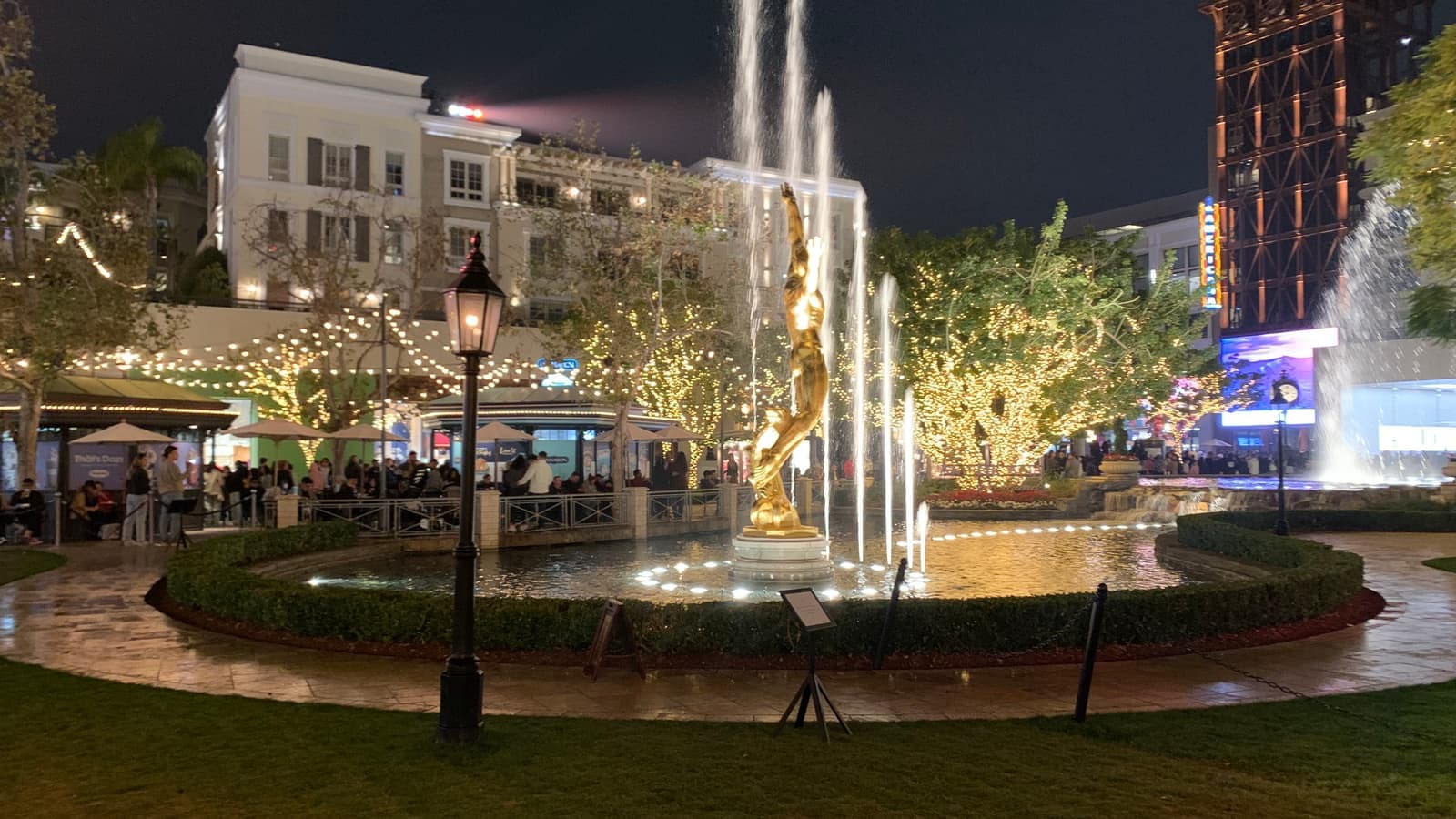
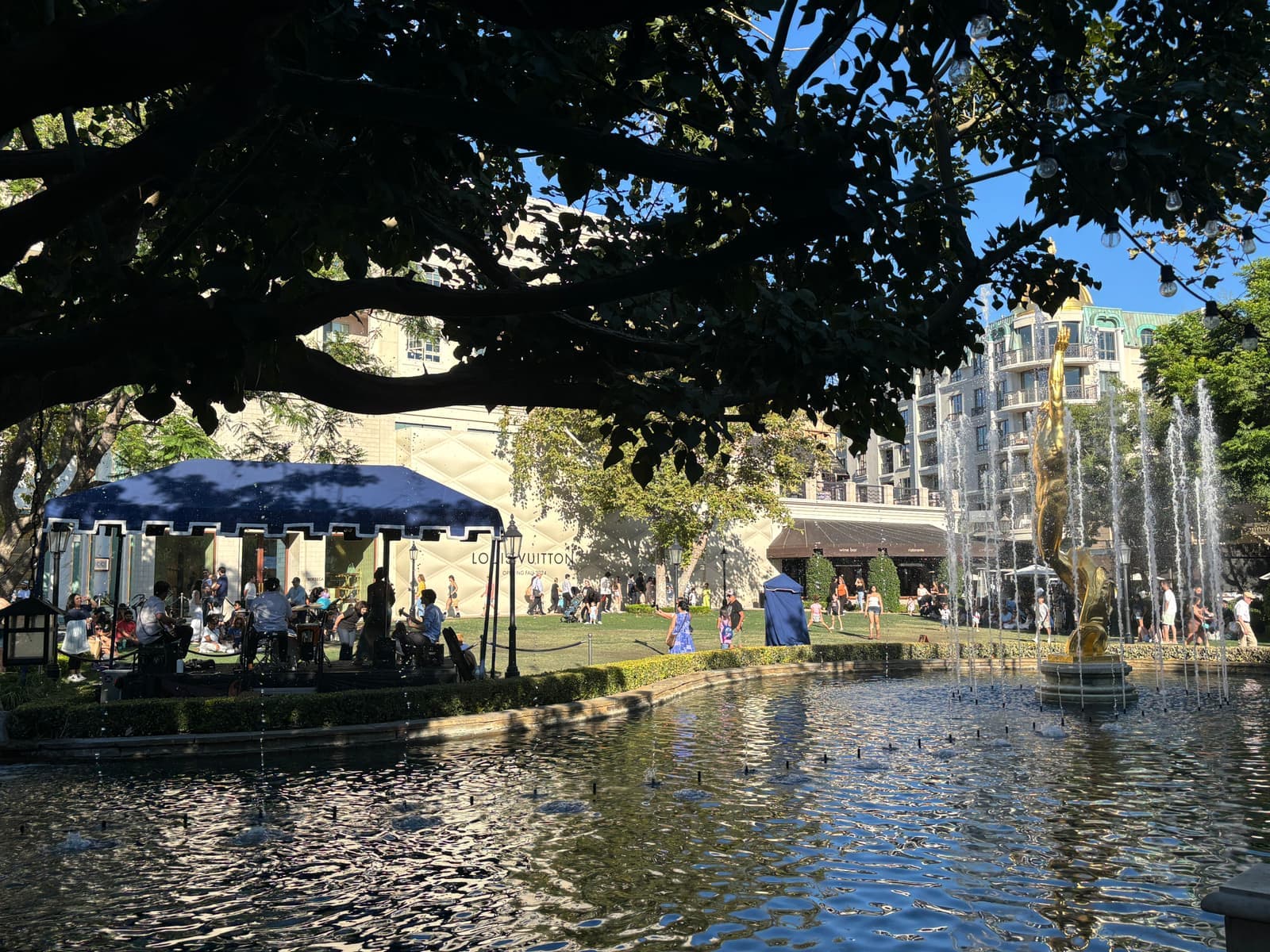
In July 2012 the City Council designated the Rossmoyne Historic District, 503 houses plus Nibley Park. It is the largest of the nine districts on the city's list as of 2026; a proposed 788-property Verdugo Woodlands district, pending since 2024, would be bigger if the council approves it. So the streetscape is protected, and exterior work goes through a different review. You're still a mile from Brand Boulevard, the Americana at Brand and the 134.
Live from the MLS
Rossmoyne compared with all of Glendale.
A square foot in Rossmoyne costs 37% more than across Glendale.
Rossmoyne$935
All of Glendale$683
Listings in Rossmoyne have been on the market 18 fewer days than across Glendale.
Homes for sale in Rossmoyne are 55% bigger than across Glendale.
Rossmoyne2,350 sq ft
All of Glendale1,517 sq ft
Each card sets the median in Rossmoyne against all of Glendale. The arrow on a card lists every Glendale neighborhood we cover. Asking prices for homes on the market right now inside each mapped area, not sale prices. Updated October 3, 2026, 6:00 PM PT
Homes for sale in Rossmoyne
4 active listings in the mapped area

Still deciding? Ask me.
I’m a Long Beach Realtor and I work Glendale too. Tell me what you’re after in Rossmoyne and I’ll help you get there.
Slava Ploshkin · DRE #02323623English and Russian · How I work in Glendale
Where to eat, shop, and explore in Rossmoyne
The restaurants, cafes, shops, parks, and landmarks that give Rossmoyne its everyday character, most within a short walk.
9 places
Pick one and I’ll show you where it is.
Park5 min walk
The district's own park at 1103 East Mountain Street, donated by developer Alex Nibley, who planted live oaks and built tennis courts. Built in 1925 and added to the Glendale Register in 2021.
The park is inside the historic district and counts as one of its 504 properties.
Landmark5 min walk
Glendale's largest designated historic district: 503 houses between Glenoaks Boulevard, Cordova Avenue, Mountain Street and Ethel Street, approved unanimously by the City Council in July 2012.
Landmark5 min walk
Thirty homes on a palm-lined curve of Royal Boulevard, built mainly from 1927 to 1948 as the last phase of the Haddock-Nibley development. Glendale's first historic district.
Landmark5 min walk
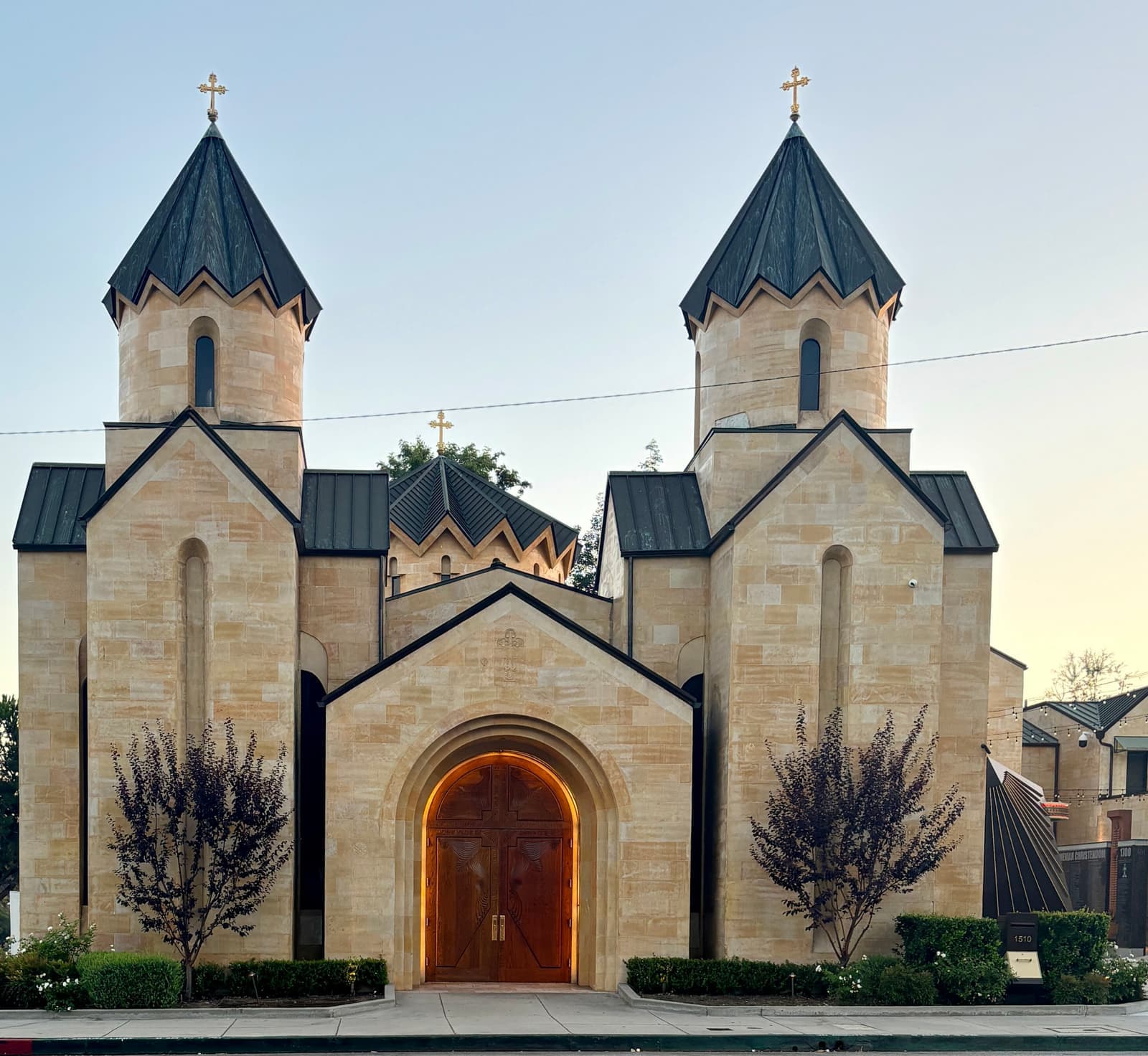
The Armenian Catholic cathedral at Mountain Street and Verdugo Road, at the district's northeast corner. Glendale has one of the largest Armenian communities outside Armenia.
Shopping10 min walk
An Armenian grocery on North Glendale Avenue at the foot of the district. It has produce and a big imported section, and the meats come marinated for the grill.
Park · Nearby10 min walk
A 38-acre city regional park just past the district's northeast corner, with picnic grounds, a ball field, basketball courts and a community garden.
Landmark · Nearby15 min walk
The community college founded in 1927 and on its Verdugo Road campus since 1937, on the San Rafael Hills across the wash from Rossmoyne.
Landmark · Nearby25 min walk
The Glendale Unified elementary school assigned to the district's streets, on East Doran Street south of Glenoaks.
Landmark · Nearby20 min walk
The district's Glendale Unified middle school on Monterey Road, a few blocks south of Glenoaks Boulevard.
From Judge Ross's ranch to Nibley's tract
A judge's ranch from 1872, subdivided in 1923 by a developer who allowed only Period Revival.
The name comes from Judge Erskine Mayo Ross. In 1872 he bought the ranch land that became known as Rossmoyne from his uncle, Captain Cameron Erskine Thom. An 1885 newspaper described his residence on North Verdugo Road as a two-story Queen Anne house. Glendale itself was platted as a town in 1887 and incorporated on February 15, 1906, with 1,486 acres.
In 1923 partners Lon Haddock and Alex Nibley bought part of the Rossmoyne Ranch for houses. The initial tract was laid out in 1923 and 1924. Nibley hired experts to design wide streets that bend and wind to keep the views fresh and to keep through traffic out. His company installed the cast-metal streetlamps that still stand on the blocks, and it sold them as a feature. By 1927 most of the homes in the first subdivided areas were up, with infill continuing into the 1940s.
Nibley also gave the city the park that carries his name, planted with live oaks and fitted with tennis courts. The company's last phase was Royal Boulevard, where thirty homes went up mainly between 1927 and 1948. That stretch became Glendale's first historic district. The larger Rossmoyne district followed: residents filed the nomination in April 2009, 71 percent of homeowners signed the petition, and the council approved it unanimously in July 2012.
- 1872: Judge Erskine Mayo Ross buys the ranch that gives the neighborhood its name
- 1923: Haddock-Nibley Company begins the tract; Period Revival only
- 2012: City Council designates the 504-property Rossmoyne Historic District
Period Revival houses on almost every block
Most of the 1920s to 1940s houses still look the way they were built.
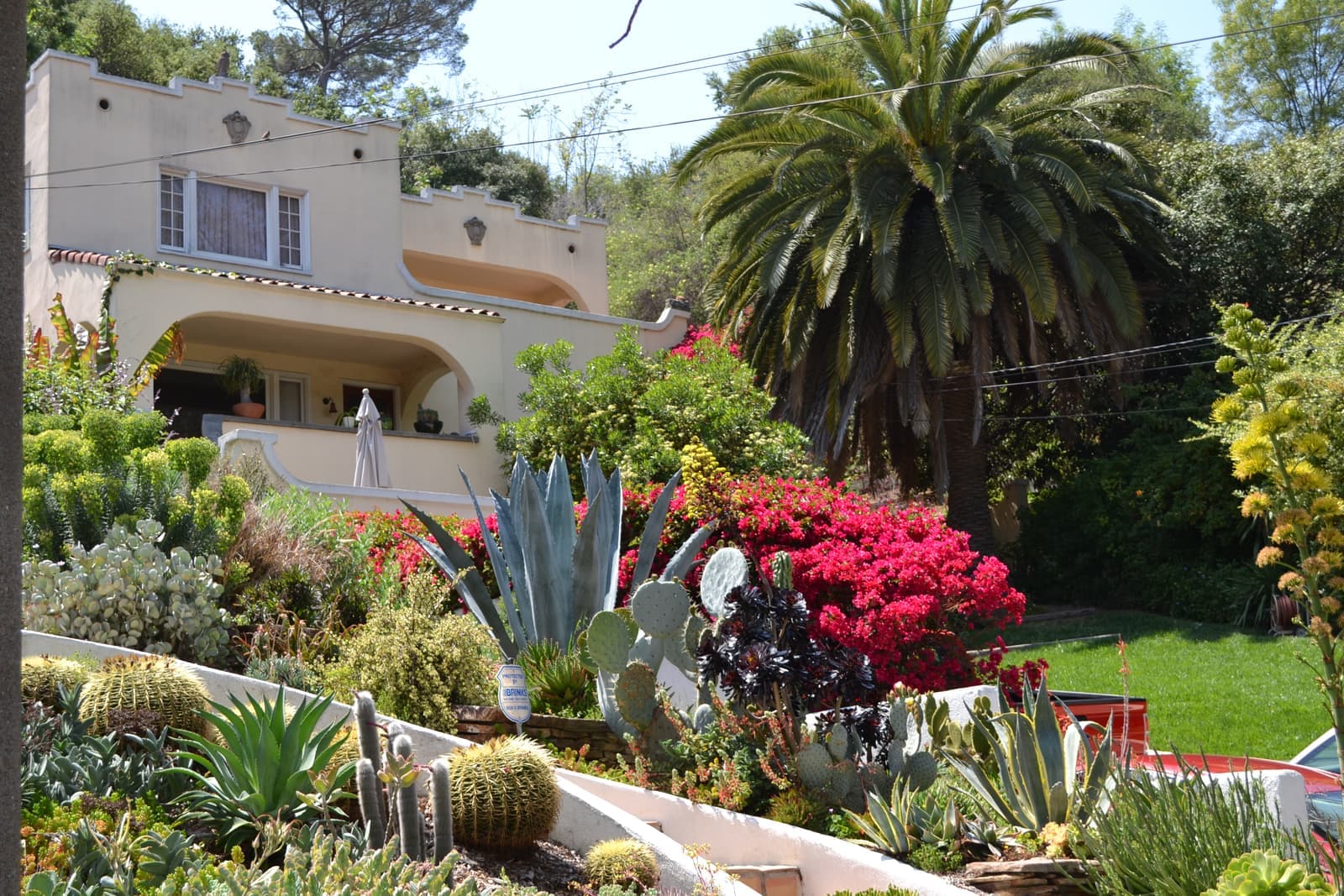
The housing is single-family and almost entirely from the district's 1923 to 1950 build-out. Spanish Colonial Revival leads: stucco walls, tile roofs and arched openings. Tudor Revival brings steep gables and half-timbering, and the French-inspired houses add turrets and hipped roofs. The city's surveyor called the area one of the most architecturally intact she had seen, and roughly 80 percent of the houses were rated contributors when the district was formed.
Two Register-listed houses show the range. The Echols House at 711 East Mountain Street is a 1923 Spanish Colonial Revival design, listed in 2022. The Samuel and Beth Peterson House at 1106 Rossmoyne Avenue is a 1935 Spanish Colonial Revival house, listed in 2014. Nibley Park, built in 1925, joined the Register in 2021.
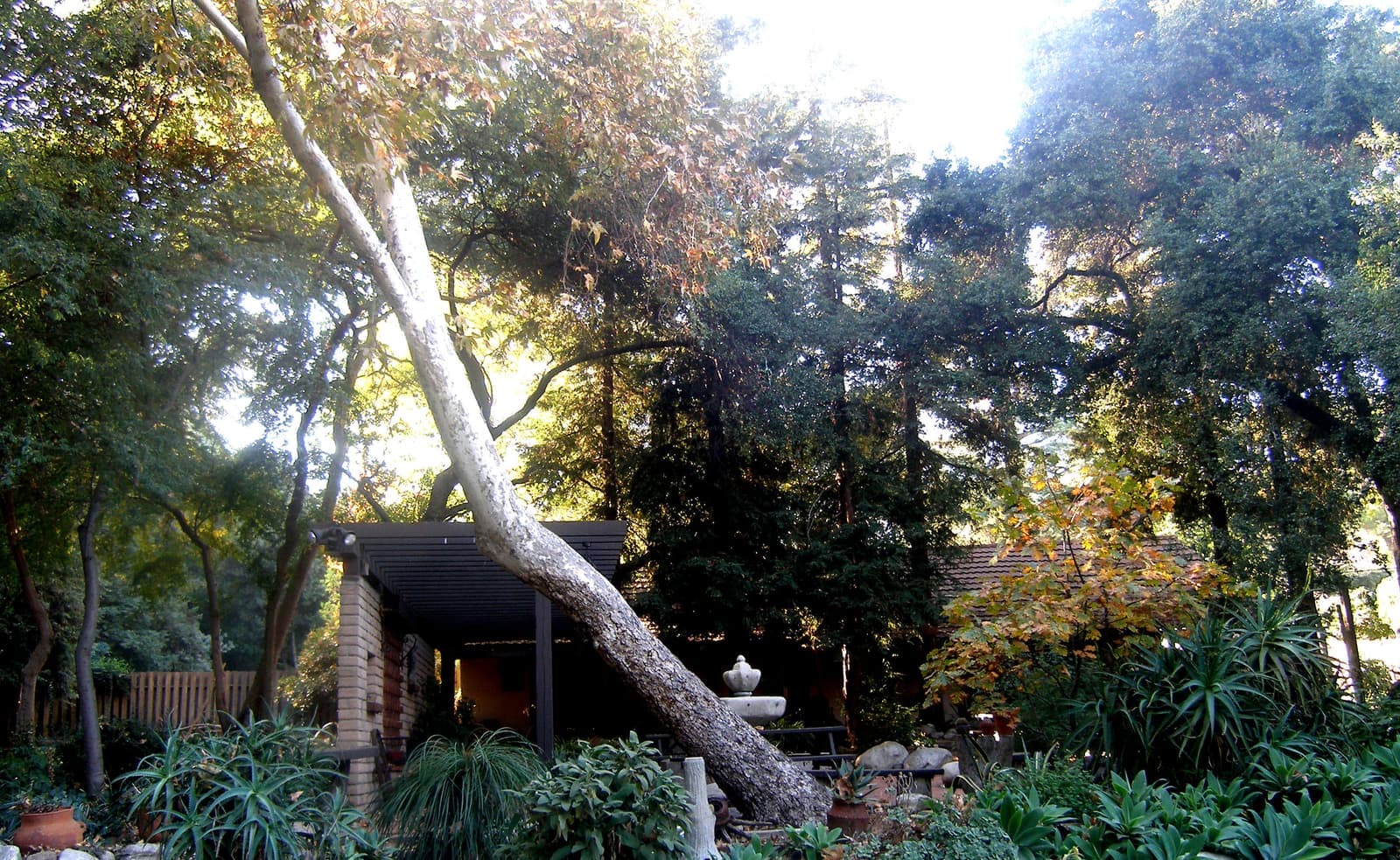
Lots follow the curves of the streets, so shapes vary and many houses sit above the sidewalk on a slope. North of Mountain Street the grades steepen and views open toward downtown and the San Rafael Hills. The upper streets trade flat yards for those views, and most of the neighborhood carries the fire-zone rules described below. Along Glenoaks and Verdugo Road the edge blocks mix in later houses and some small multi-family buildings.
- Single-family Period Revival houses, 1923 to 1950; about 80 percent contributors
- Register-listed examples on Mountain Street and Rossmoyne Avenue
- Sloped lots and downtown views on the upper streets
What the district and the fire zone ask of you
What changes when the house sits inside a Glendale historic district on the edge of the Verdugos.
Inside a Glendale historic district, exterior work is reviewed by the Historic Preservation Commission instead of the Design Review Board. The city says properties are not frozen in time, but the review protects the features that define the district, so windows, roofs and additions need period-appropriate plans. Mills Act property-tax contracts are available for properties listed on the Glendale Register; ask the city's preservation planner whether a specific contributor qualifies.
Fire hazard is the other layer. CAL FIRE released Glendale's updated Fire Hazard Severity Zone map on March 24, 2025, and most of the neighborhood falls in the Very High zone, not just the Verdugo slopes above Mountain Street. Points we checked on Cordova Avenue and the district's east side came back Very High, the 1100 block of Rossmoyne Avenue High, and the blocks at Glenoaks Boulevard Moderate. None of the points on our grid fell outside a zone. In that zone owners must keep 100 feet of defensible space, face annual inspections, and sellers must provide AB 38 defensible-space documentation. I look up the exact parcel on the state's FHSZ map before we write an offer.
Then the usual older-house work. Houses approaching a century old can carry original foundations, galvanized plumbing and aging electrical, plus additions of mixed quality. Have the structure, roof, sewer lateral and systems inspected, and pull the permit history. FEMA maps the sampled streets as Zone X, minimal flood hazard; the Verdugo Wash along the east edge is a concrete channel. Royal Boulevard splits between two elementary schools, so ask Glendale Unified which one serves the house.
- Exterior changes go to the Historic Preservation Commission
- Very High fire hazard on most blocks: defensible space, inspections, AB 38
- Inspect 1920s to 1940s systems; FEMA Zone X at sampled points
What drives prices in Rossmoyne
A protected, single-era market a mile from downtown.
Rossmoyne trades on architecture and position. Listings are few: in late September 2026 five houses were for sale, asking about $1.5 million to $3.5 million, most of them between $1.7 million and $1.9 million. Buyers pay for an intact Period Revival house on a curving street, and they pay more for a hillside lot with a view over downtown. It was all built in one era and now it's protected, so nobody is making more of them. Well-kept originals and careful restorations draw the strongest interest.
Within the neighborhood, price turns on the block, the slope, the view and the condition of the original detail. Royal Boulevard and the streets above Mountain Street sit at the top. The blocks nearest Glenoaks and Verdugo Road, with later houses and small multi-family buildings, are the entry point. A Mills Act contract, where one exists, lowers the carrying cost and shows up in the price. On a small multi-family building, Glendale's Rental Rights Program applies: there is no local rent cap, but buildings of three or more units carry just-cause eviction rules and relocation money when an increase tops 7 percent, on top of the state's 8.7 percent AB 1482 cap from August 1, 2026.
When a house does list, I read the file for its contributor status and any past Historic Preservation Commission approvals, then the fire zone and the age of the roof and systems.
A mile from Brand Boulevard
The streets were drawn to keep through traffic out. Downtown and the freeways are minutes away.
Daily errands run south. North Glendale Avenue at the foot of the district has Golden Farms Market and a strip of small businesses. Brand Boulevard downtown adds Porto's, the Americana at Brand and the Central Library. Verdugo Park and Glendale Community College sit just past the northeast corner across the wash.
For the region, the 134 Ventura Freeway runs about a mile south with exits at Glendale Avenue and Brand Boulevard. The 2 Glendale Freeway runs along the east side with a Mountain Street exit, and its last segment from the 134 to the 210 opened in 1975. Inside the district the streets were laid out without through routes, so traffic is light, but parking on the curves is on-street and slopes are real. The Glendale Beeline, the city bus system started in 1984, serves the arterials.
More Rossmoyne facts
- 1923Development beganHaddock-Nibley Company; built out by 1950
- 2012Historic district503 houses plus Nibley Park; Glendale's largest
- 1872Ranch boughtJudge Erskine Mayo Ross, the name's source
- 1925Nibley ParkDonated by the developer; Register 2021
- 9City districtsRossmoyne and Royal Boulevard are two
- 91207ZIP codeGlendale






Rentals in Rossmoyne
5 active rentals in the mapped area
$5,500/mo
Single-Family3 bd2 ba1,617 sqft
900 E Mountain
$3,750/mo
Single-Family2 bd1 ba747 sqft
1424 A E Mountain Street
$6,650/mo
Single-Family3 bd3 ba2,250 sqft
1424 E Mountain
$11,950/mo
Single-Family4 bd3 ba2,227 sqft
937 Misty Isle Drive
$6,500/mo
Single-Family4 bd4 ba2,671 sqft
1321 Greenbriar Road
Questions & answers
Yes, if you want a 1920s Period Revival house a mile from downtown Glendale and can live with historic review. The Haddock-Nibley Company built it from 1923 with Period Revival designs only, and in 2012 the city made 503 of those houses plus Nibley Park its largest historic district. You get Spanish, Tudor and French Revival houses on curving streets, with Glendale Unified schools and the 134 close by. You pay for it with historic review on exterior work, Very High fire-zone rules on most blocks, and the upkeep on houses close to a hundred years old.
Explore near Rossmoyne
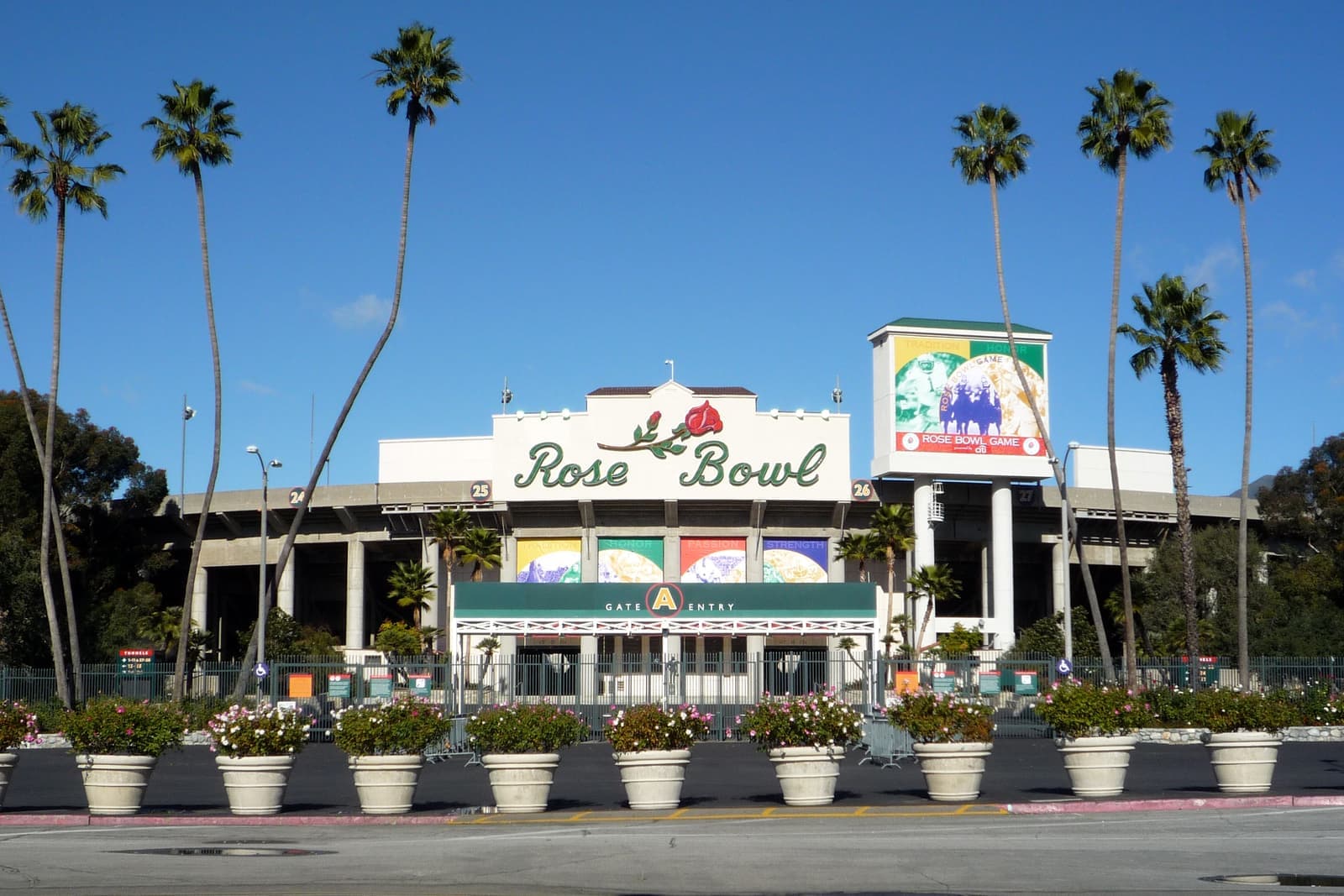
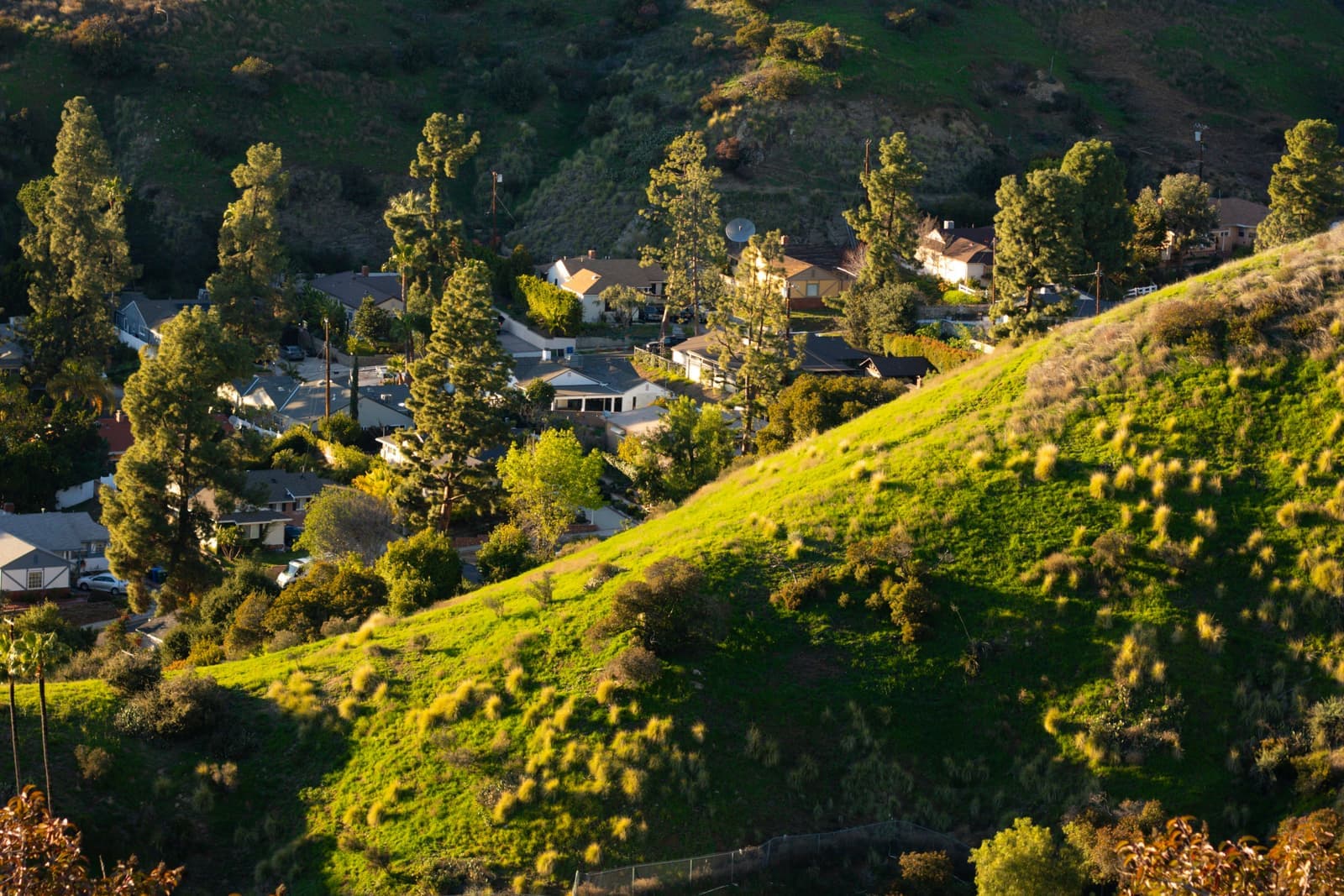
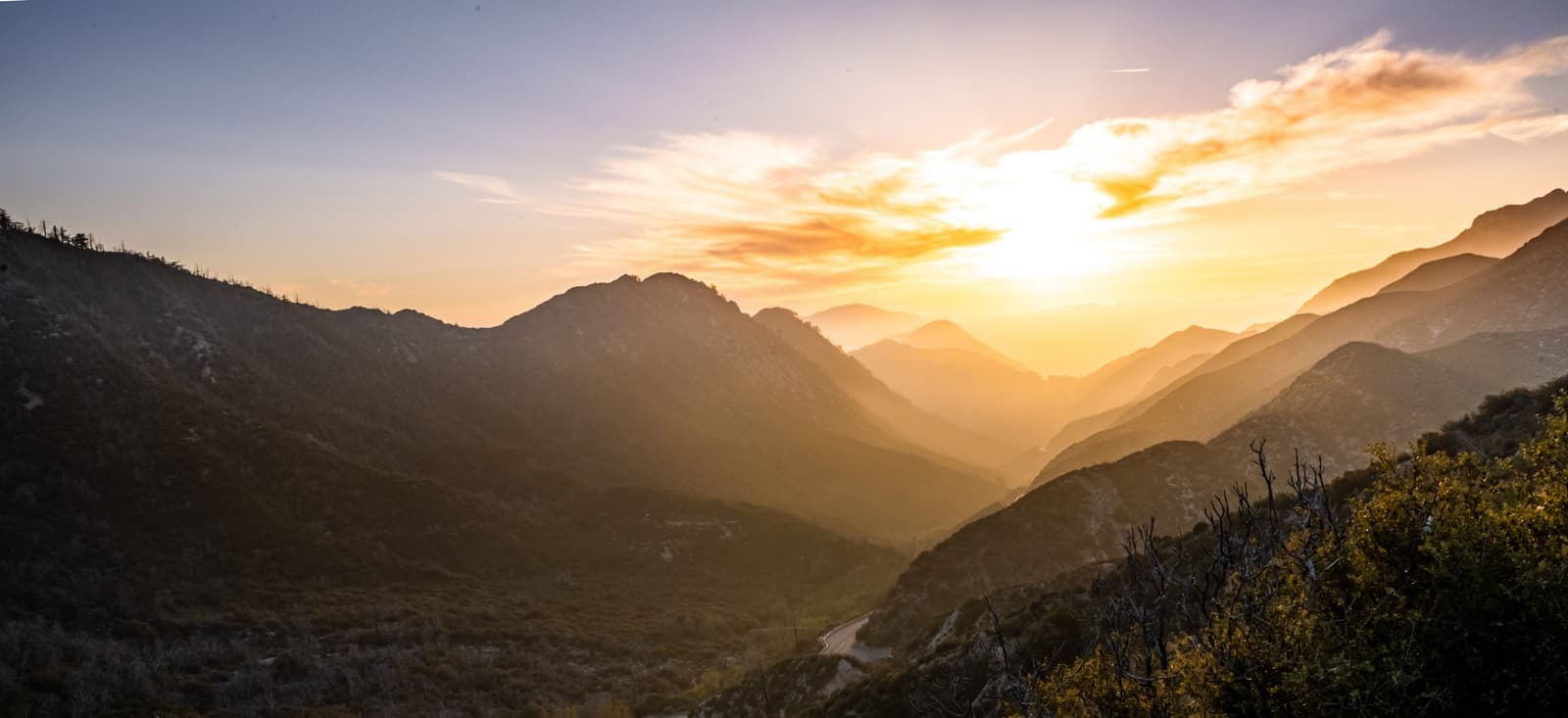
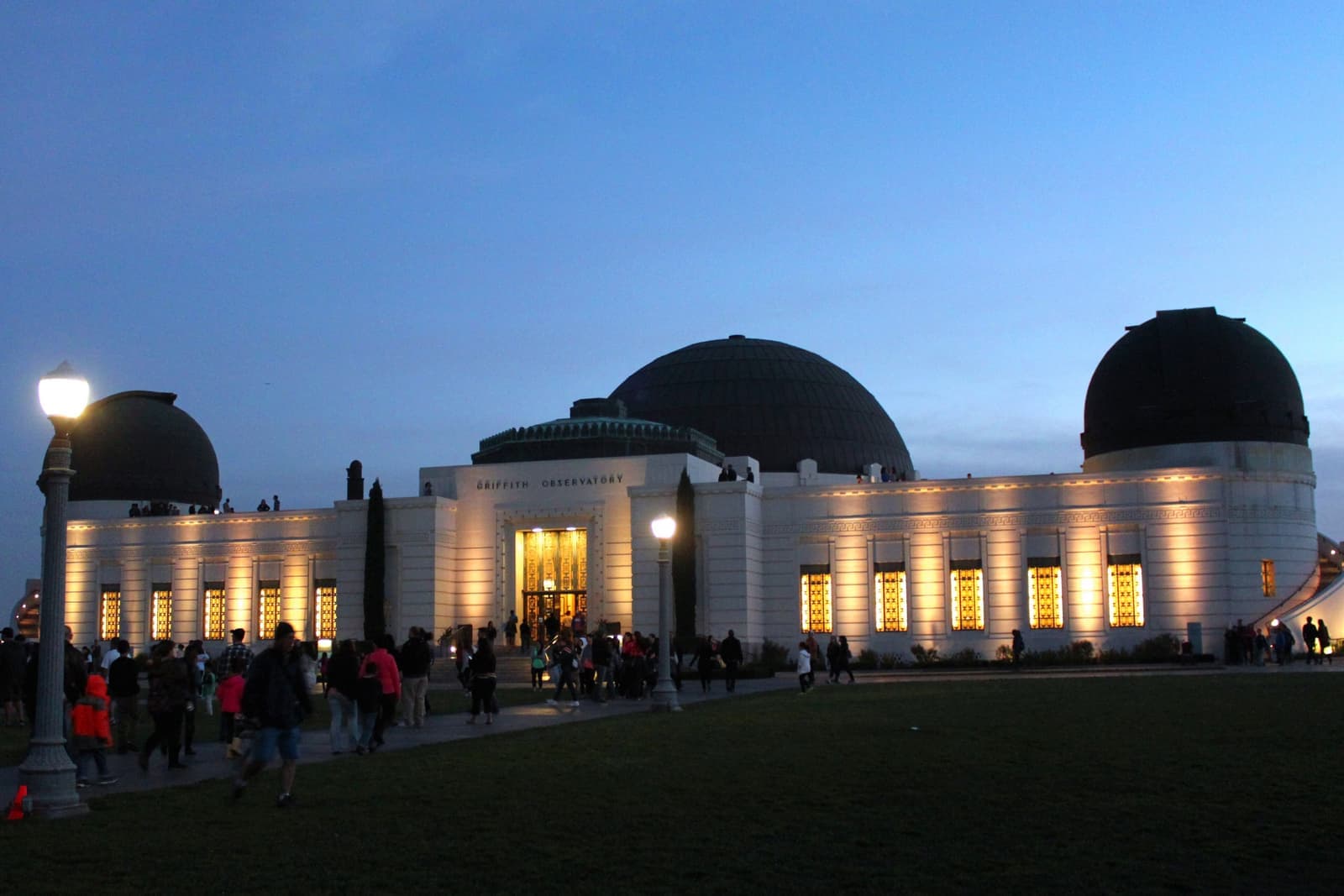
0.9 mi awayVerdugo WoodlandsThe canyon between the Verdugo Mountains and the San Rafael Hills: oak-shaded streets along Cañada Boulevard from Verdugo Park to Oakmont, built from the 1910s to the 1960sRead the guide ›2.6 mi awayAdams HillSouth Glendale's hill, where 1920s to 1960s houses climb from Adams Square and its restored 1936 gas station up to the Los Angeles city lineRead the guide ›2.6 mi awayMontroseThe Crescenta Valley's village street: three blocks of Honolulu Avenue in a 1913 townsite, with a city line running right through itRead the guide ›3.5 mi away · PasadenaLinda Vista-AnnandalePasadena's hills west of the Arroyo Seco, from the Rose Bowl up to the 210Read the guide ›4.9 mi away · Los AngelesLos FelizThe 1920s hills and flats under Griffith Park, where Frank Lloyd Wright and Richard Neutra built on the slope and the village streets sit belowRead the guide ›5.3 mi away · Los AngelesSilver Lake1920s hillside streets around a city reservoir, between Los Feliz and Echo ParkRead the guide ›


Where we check the facts
The facts in this guide (districts, zones, rules) come from the official records below. We re-check them before property tours.
- City of Glendale: Rossmoyne Historic Districtglendaleca.govdistrict size, 1923 development, build-out by 1950, Nibley Park
- City of Glendale: Historic Districtsglendaleca.govlist of nine districts and the Historic Preservation Commission review
- Crescenta Valley Weekly: Rossmoyne Named Historic District (Aug 30, 2012)crescentavalleyweekly.com2009 nomination, 71 percent petition, 504 properties, contributors
- Rossmoyne/Mountain Homeowners Association: Rossmoyne Districtrossmoynemountain.comJudge Ross 1872, Haddock and Nibley 1923, street plan, streetlamps
- Glendale Unified School District: School Findergusd.netschool assignments by street
- City of Glendale Fire Department: Fire Hazard Severity Zonesglendaleca.govMarch 24, 2025 map, defensible space, AB 38 disclosure
Show all 18 sourcesShow fewer
- CAL FIRE Fire Hazard Severity Zones (LRA 2025), LAFD map servicefiregis.lafd.orgfire hazard zone by parcel
- Glendale News-Press: Glendale adopts new fire hazard zones (July 31, 2025)outlooknewspapers.comcouncil adoption on July 29, 2025
- City of Glendale Rental Rights Program: FAQglendalerentalrights.comjust cause, 7% relocation threshold, AB 1482 cap
- FEMA Flood Map Service Centermsc.fema.govflood zones by address
- City of Glendale: Royal Boulevard Historic Districtglendaleca.govthirty homes, 1927 to 1948, Bob Wian and Ed Lewis houses
- City of Glendale: Glendale Register of Historic Resourcesglendaleca.govMills Act eligibility for listed properties
- California Office of Historic Preservation: Mills Act Programohp.parks.ca.govten-year term, annual renewal, income-approach valuation, transfer on sale
- California Geological Survey: Seismic Hazard Zonesconservation.ca.govliquefaction and landslide zones, seller disclosure, geotechnical investigations
- California Geological Survey: EQ Zapp mapmaps.conservation.ca.govseismic hazard zones by address
- OSRM routing on OpenStreetMap dataproject-osrm.orgroad distances, computed September 25, 2026
- Wikipedia: Glendale Transportation Centeren.wikipedia.orgMetrolink and Amtrak service
- CRMLSgo.crmls.orglisting and market data
Photo credits (5)
- Downtown Glendale from the south, with the Verdugo Mountains behind the towers. Rossmoyne climbs those slopes just north of Brand BoulevardSergey Korolev, Pexels License
- St. Gregory Armenian Catholic Cathedral at dusk, on the eastern edge of RossmoyneAlexis Doine, CC0
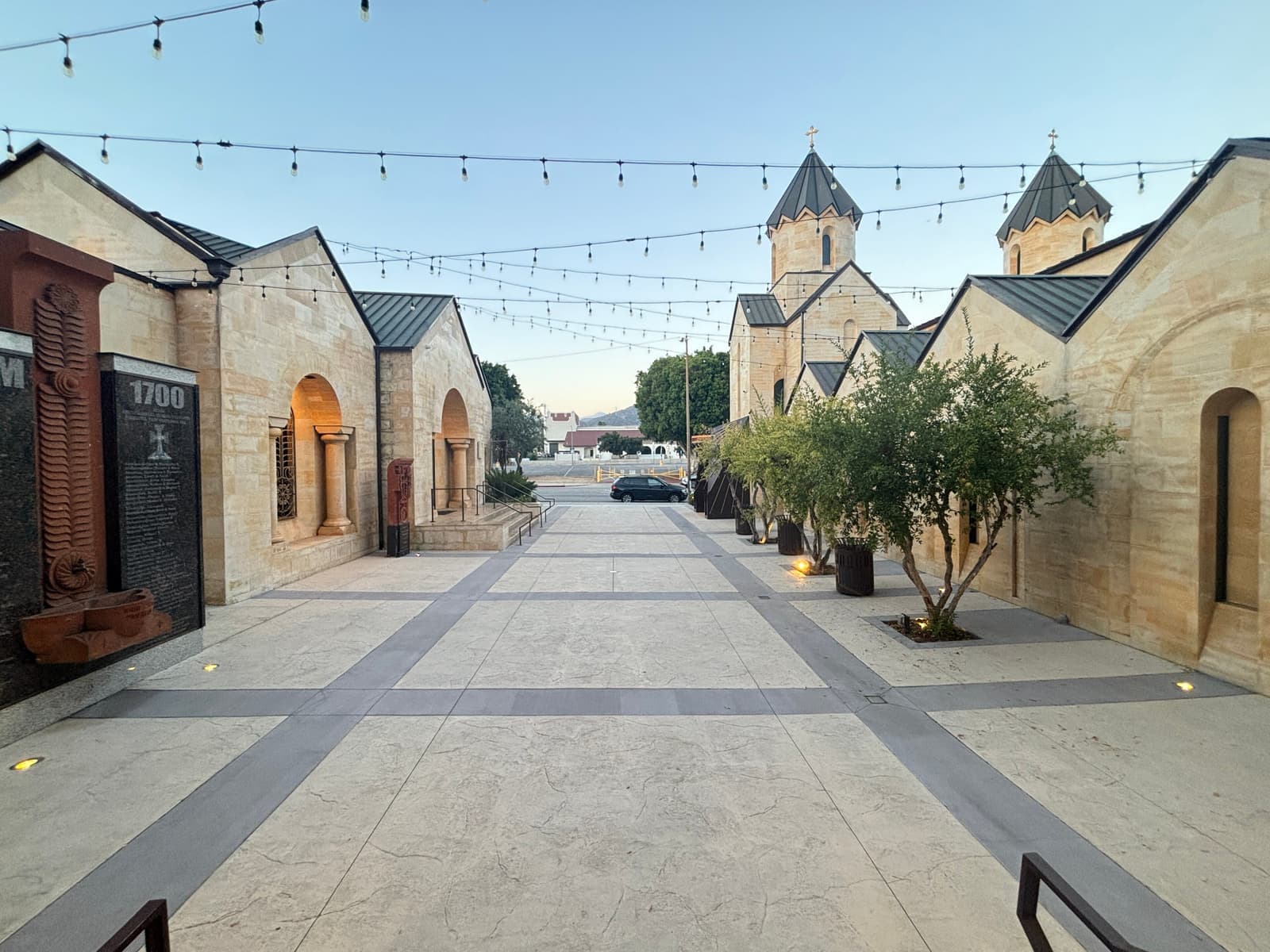
- String lights over the stone courtyard of St. Gregory Cathedral on Mountain StreetAlexis Doine, CC0
- The Americana at Brand fountain on a December evening, a mile south of RossmoyneBusition, CC BY 4.0
- The lagoon at the Americana at Brand, downtown Glendale, a mile south of RossmoyneAlexis Doine, CC0