

All of Long Beach$888K
- The Peninsula$3.44M
- Naples$3.26M
- Bluff Park$2.15M
- Belmont Shore$2M
- Los Cerritos$1.44M
- Belmont Heights$1.25M
- Bixby Knolls$963K
- All of Long Beach$888K
- California Heights$850K
- Alamitos Beach$675K
- Downtown$634K
- Park Estates$329K
What decides a Long Beach purchase: historic review, tenant law, and the ground under the house
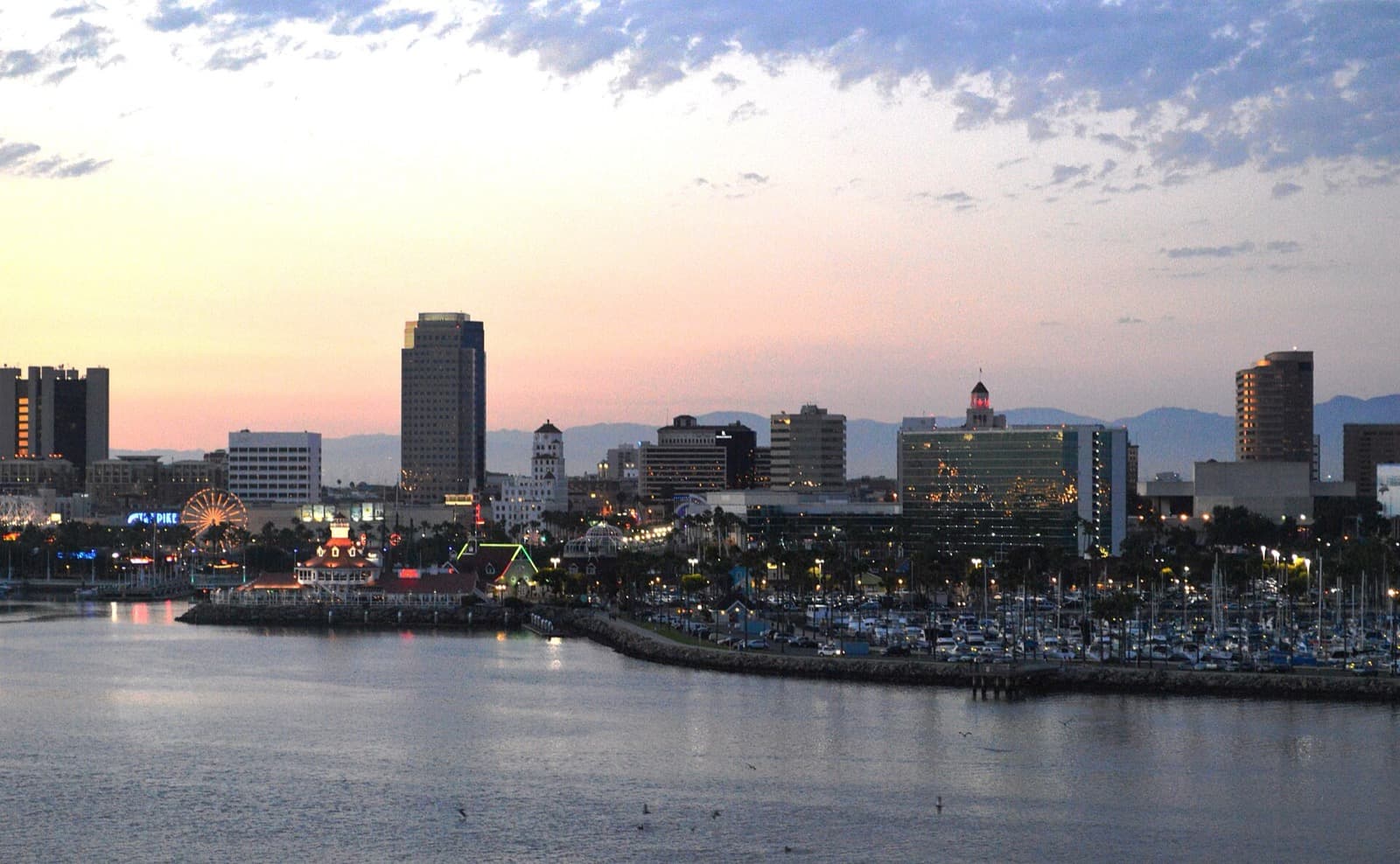
Long Beach is the one place on this stretch of coast where a house near the water is still a realistic purchase rather than a fantasy: a full coastal city with a Broad Prize-winning school district, a street Grand Prix, the Queen Mary, and enough flat ground that a lot of residents genuinely live without a car. Once you are past that, three things decide most purchases here, and none of them show up in listing photos. First, whether the address sits in one of the city's 18 designated historic districts: if it does, any exterior change needs a Certificate of Appropriateness, including work that would not otherwise need a building permit. Second, whether the property comes with tenants: Long Beach has no local rent control but state law and the city's Just Cause ordinance both apply, and a no-fault termination triggers relocation assistance, which matters because duplexes and small multi-unit buildings are everywhere here. Third, the ground itself: much of the city sits above the Wilmington Oil Field, whose subsidence history is the reason parts of Long Beach are engineered the way they are. Check all three against the specific address before you write an offer.
A whole coastal city at a fraction of what the coast usually costs, with more going on than its reputation suggests.
The simplest argument for Long Beach is price. It is a full coastal city, not a beach-adjacent suburb, and the median asking price sits at a fraction of Santa Monica, Manhattan Beach or Malibu. The live snapshot on this page shows today's figure. For a lot of buyers this is the only place on this stretch of coast where a house with a yard, near the water, is a realistic purchase rather than a fantasy.
The schools are the second thing people are surprised by. Long Beach Unified won the Broad Prize for Urban Education, the most prestigious award for public school systems in the country, and has been a five-time finalist. That is unusual for a district this size and this diverse, and it is a large part of why families who could afford elsewhere choose to stay.
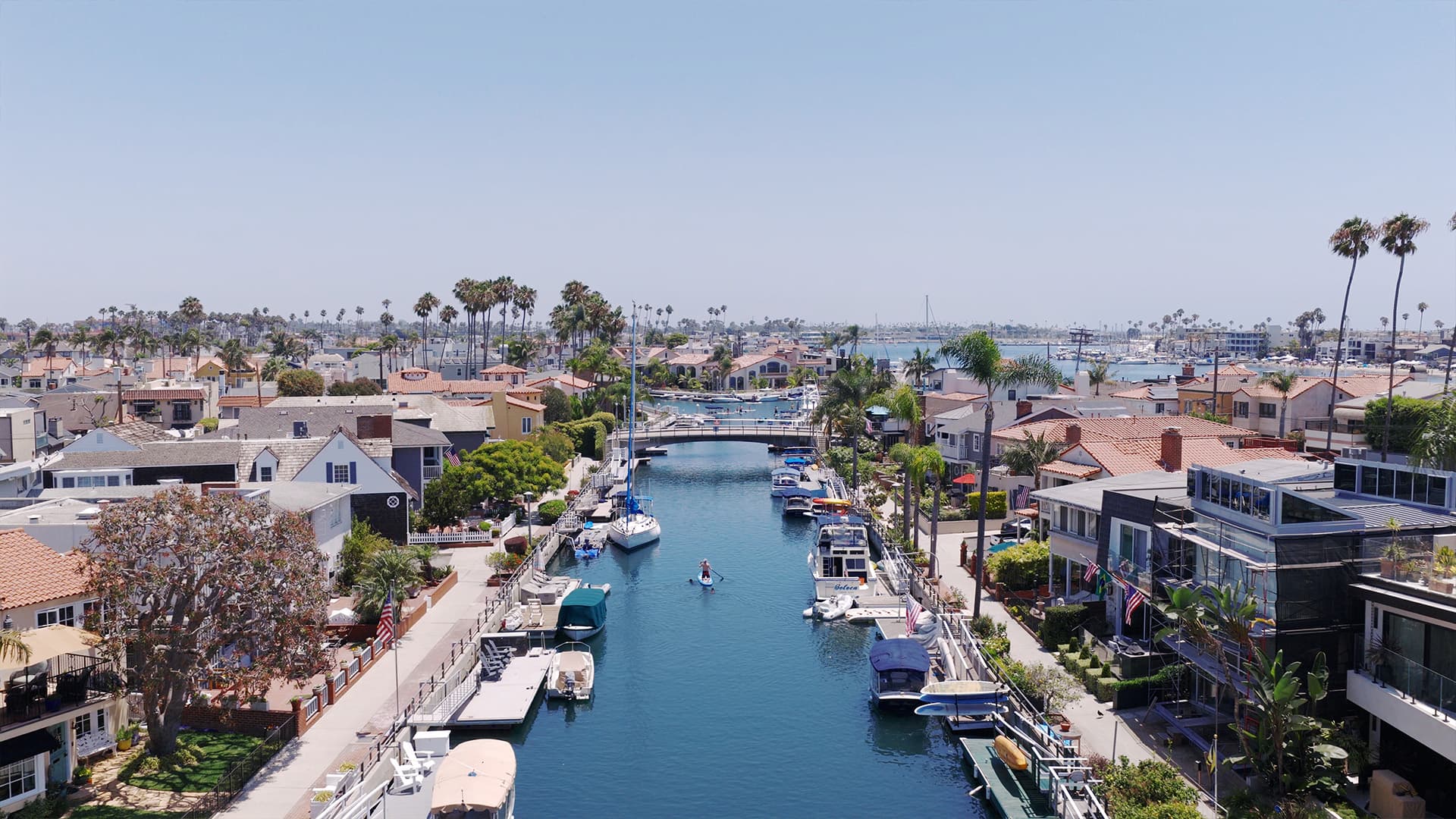
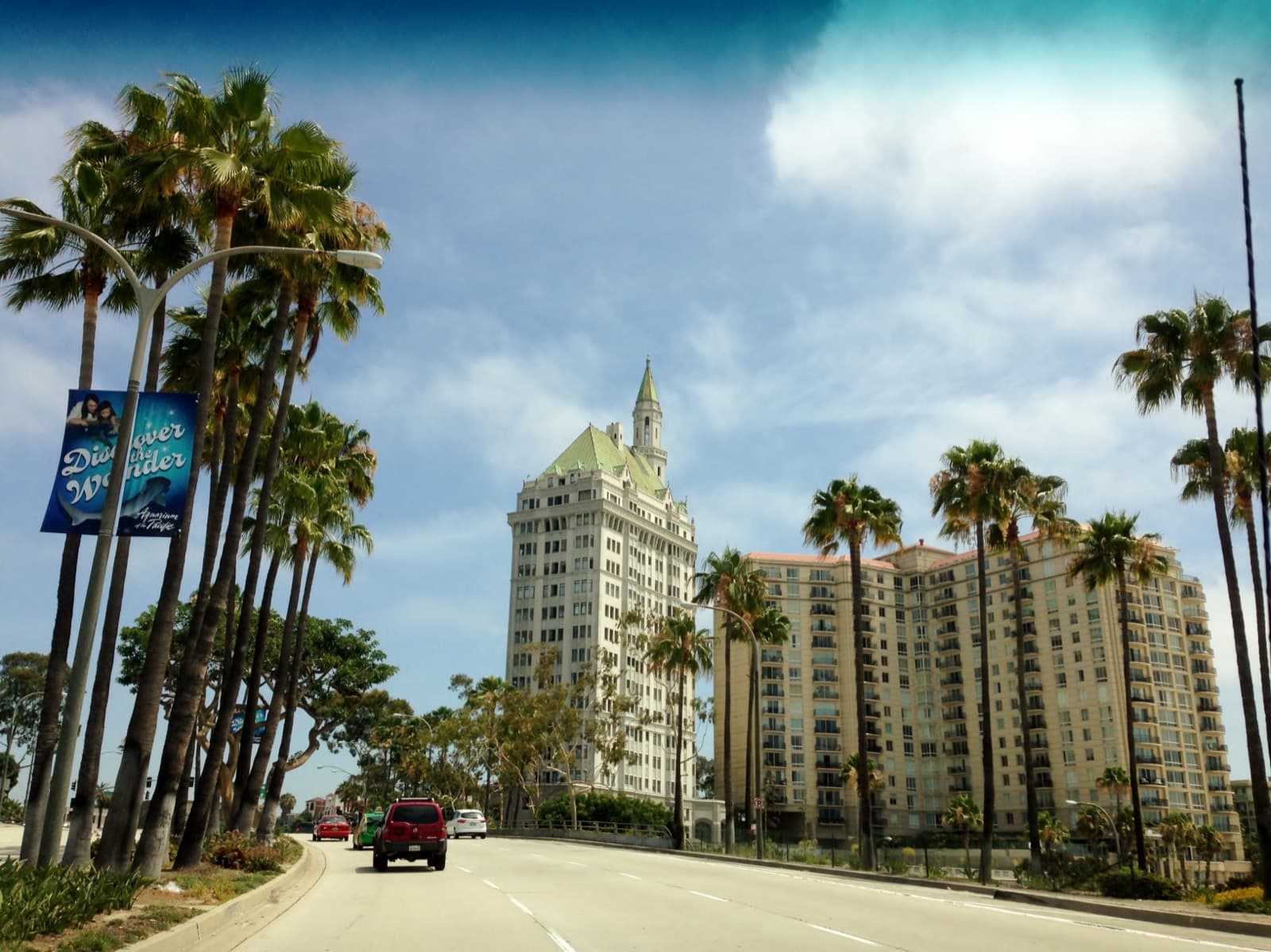
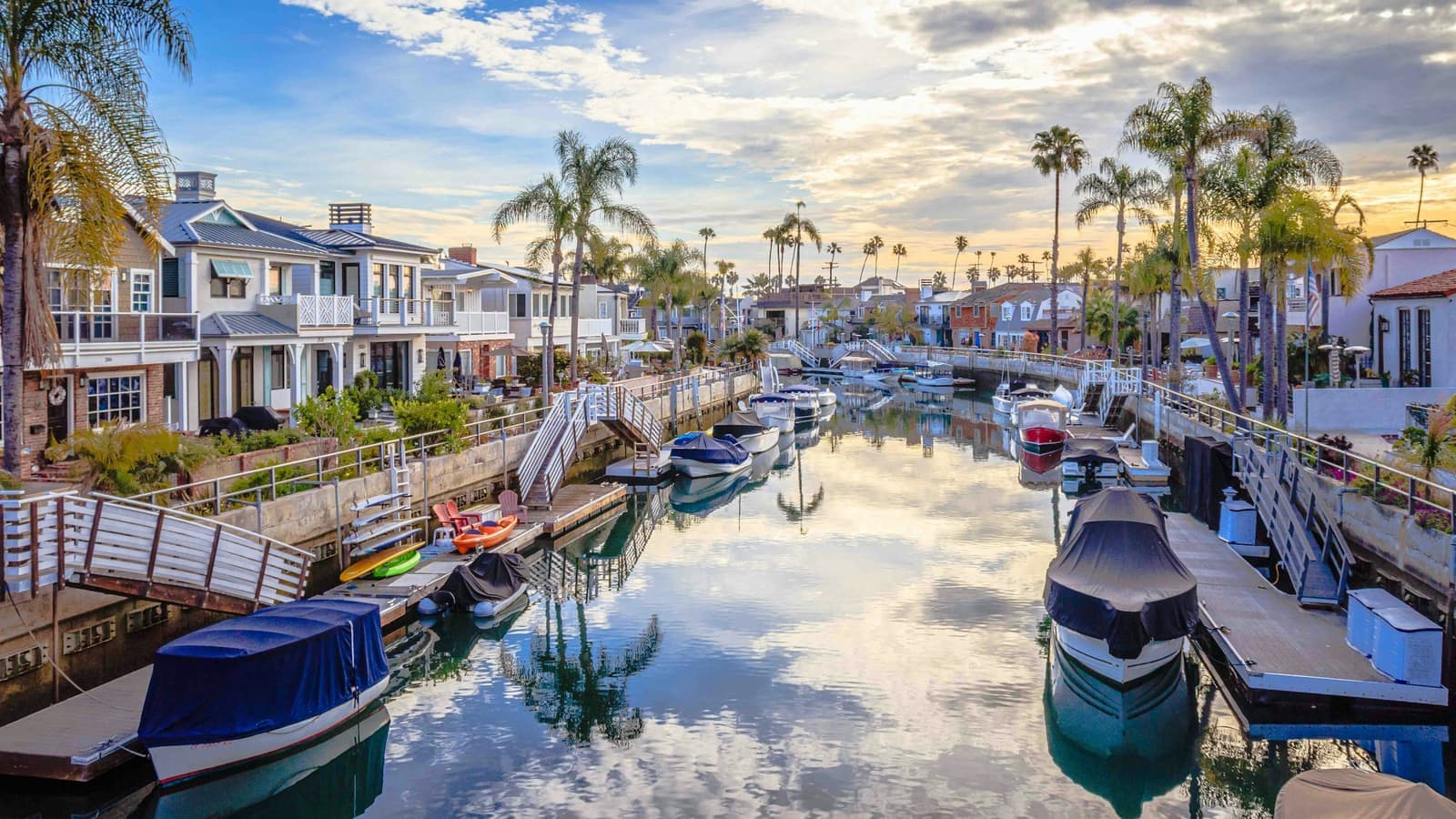
Then there is the character, which is genuinely unlike the rest of the county. The city has hosted a street Grand Prix through downtown since 1975. The Queen Mary is permanently moored here, 1,019 feet of 1930s ocean liner that made 1,001 Atlantic crossings and now works as a hotel and museum. The Aquarium of the Pacific is the fourth largest in the United States, with over 12,000 animals. Naples has canals and gondolas. Marine Stadium was built for the 1932 Olympics and was the first man-made rowing course in the country.
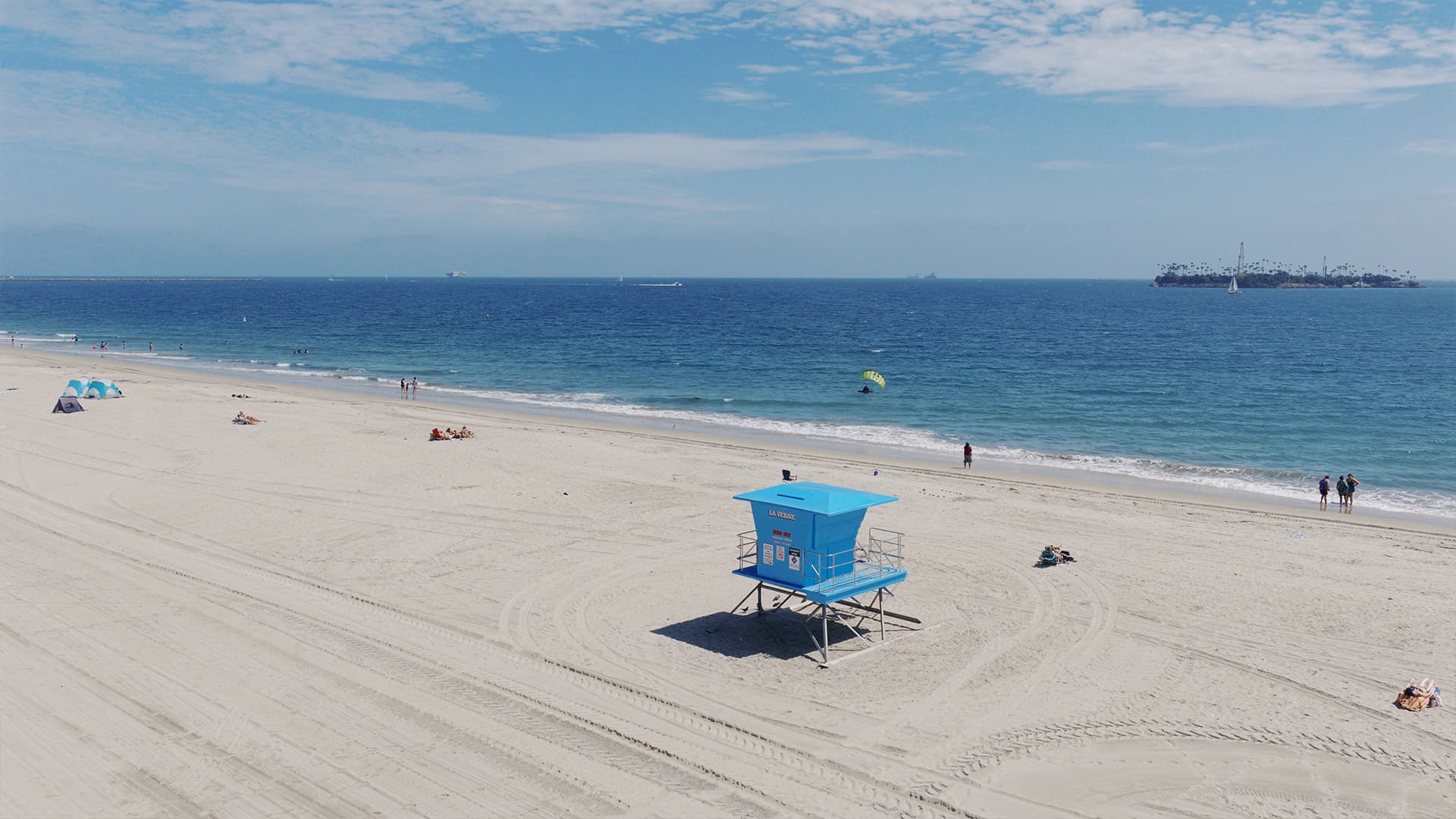
It is also flat, which matters more than it sounds. Long Beach holds a Silver-level Bicycle Friendly Community award, the shoreline path runs for miles along the water, and a large number of residents genuinely do handle daily life without getting in a car. That combination, coastal, affordable, walkable, with real schools and real culture, is rare enough that it explains most of the demand this guide is about.
Getting ready

Start with the life the home is for: who'll live there, where you work, the schools, how much room you need. Then we pick a few parts of town that fit.

Cash or a loan? If it's a loan, get preapproved first. A lender looks at your income and savings and tells you how much they're ready to lend, and sellers take an offer with that letter more seriously.

Call or write, and we'll go through your plans together. Before we tour homes, we sign a short buyer agreement, as the rules ask, so it's clear how we'll work together.

I send you the homes that fit, and the new ones as they come up. Before you fall for one, we check its fire, flood and earthquake zones.
The offer and escrow

We see the homes you like in person, or on video if you're not in town yet.

When you find the one, we write the offer together: the price, the deposit, the time you'll need to check the home, and the closing date.

Once the seller says yes, your deposit usually goes to escrow within 3 business days. Escrow is a neutral company that holds the money and the papers until everything's done.

The seller gives you everything they know about the home, usually within 7 days. You get 17 days by default to inspect it and make sure it can be insured.
Closing

With a loan, the lender orders an appraisal and finishes the paperwork. A cash purchase usually skips this step.

When the inspections, the loan and the appraisal check out, you remove the contingencies in writing. I keep the calendar so no deadline slips by.

In the last days before closing you walk through the home once more and sign the loan and escrow papers. Your lender sends the final loan terms at least 3 business days before.

The county records the deed and the home is yours. Watch the mail after that: the supplemental tax bill comes to you, not to your lender.
Asking prices for homes on the market right now inside each mapped area, not sale prices. Updated October 17, 2026
1211 active listings in the mapped area
I’m a Realtor right here in Long Beach and I know it inside out. Buying or selling, tell me what you’re after and I’ll help you get there.
Slava Ploshkin · DRE #02323623English and Russian · How I work in Long Beach
Eighteen of them, and the rules reach further than most buyers expect.
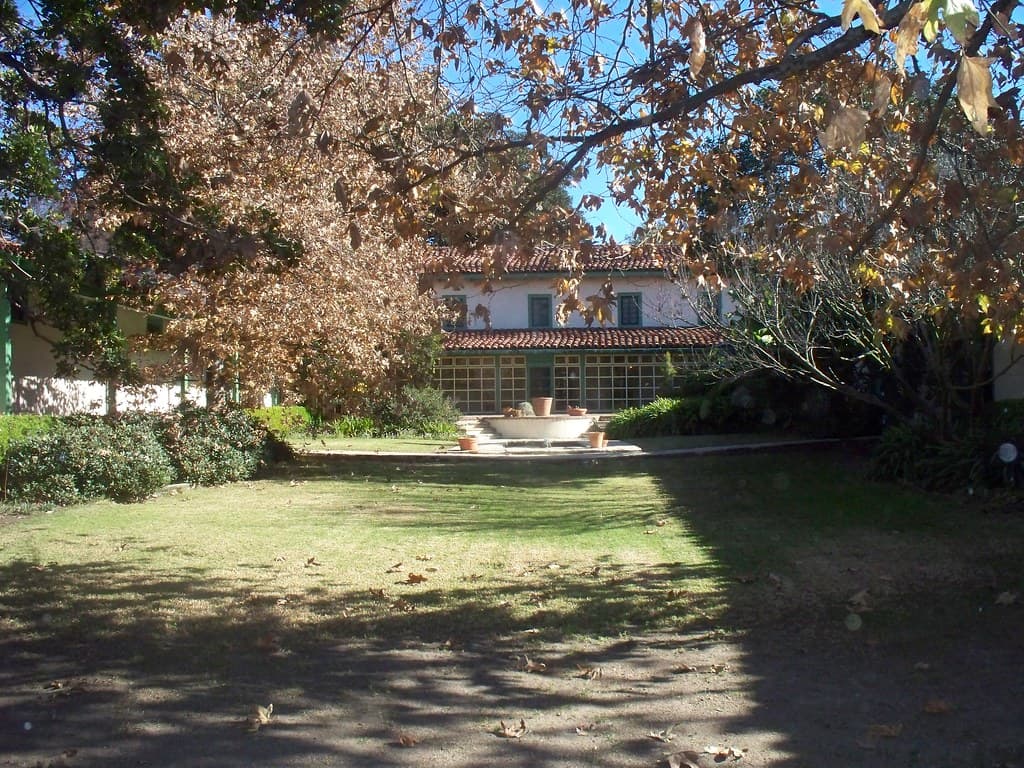
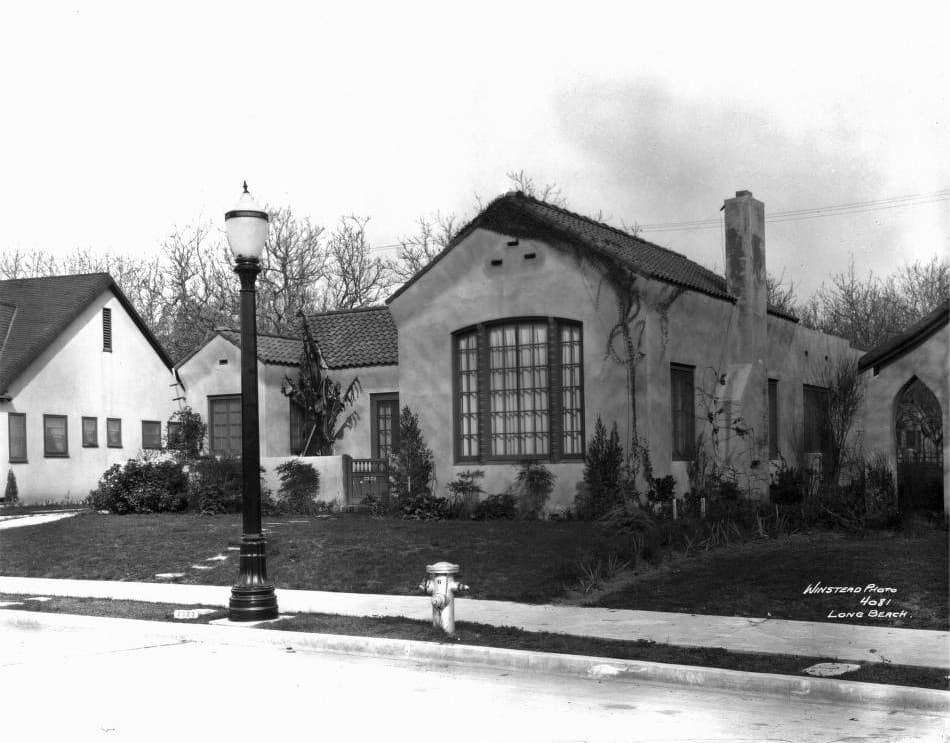
Long Beach City Council has designated 18 historic districts, and they include some of the neighborhoods buyers most want: California Heights, Bluff Park, Belmont Heights, Bluff Heights, Rose Park, Carroll Park, Wrigley and others. California Heights alone holds roughly 1,500 homes, mostly Spanish Colonial Revival from the late 1920s.
Inside a district, any exterior change requires a Certificate of Appropriateness. The part that trips people up is that this applies even to work which would not otherwise need a building permit. Windows, doors, roofing material, paint color on some features, fencing: all of it is reviewed against whether the change is consistent with the building's architectural period and compatible with neighbouring contributing structures.
Scale decides the process. Small alterations, additions under 250 square feet, accessory dwelling units and solar equipment are handled as minor work. A second story, or an addition over 250 square feet, is a major project and goes to the Cultural Heritage Commission. That is a different timeline and a different level of scrutiny.
None of this is a reason to avoid these neighborhoods, and the rules are precisely why the streets still look the way they do. But if your offer price assumes you will replace the windows, raise the roof, or add square footage, find out first whether the address is in a district and what that specific change would involve. The city's Historic Preservation Officer will discuss a project informally before you are committed.
Duplexes are part of the fabric here, and buying one is not the same as buying a house.
Duplexes and small multi-unit buildings are ordinary housing stock across Long Beach, not an investor niche. Plenty of buyers here are looking at a two-unit property with the idea of living in one side and renting the other. That plan runs into tenant law, and it is worth understanding before rather than after.
The first thing to know is favorable, and buyers coming from elsewhere in the county often miss it: Long Beach has no local rent control ordinance. Los Angeles and Santa Monica both do, with their own boards, registration and far tighter limits. Here the framework is California's statewide Tenant Protection Act, AB 1482, together with the city's Just Cause for Termination of Tenancies ordinance. For someone buying a small income property, that is a materially simpler position than a few miles up the coast.
What the framework does require: a tenancy can only be ended for specific legally defined reasons, and a no-fault termination, which includes an owner moving in, entitles the tenant to relocation assistance of one month's rent, or the landlord waiving the final month.
There is a specific exemption worth knowing: an owner-occupied duplex, where the owner lives in one unit as their primary residence at the start of the tenancy and continues to occupy it, sits outside those rent protections. The timing in that sentence matters, and it is exactly the kind of detail to confirm with a real estate attorney for a specific property rather than assume from a summary.
Practically, this means a tenant-occupied duplex needs different diligence from a vacant one. Ask for the current rent roll, the leases, when each tenancy started, and what has been served. A property that pencils on projected market rents can look very different once you know what is actually in place.

Long Beach sits above the Wilmington Oil Field, and that history is visible in how the city is built.
Long Beach is one of the few American cities with large-scale oil production underneath it. The Wilmington Oil Field is among the most productive in the country, and the city itself operates the field through its Department of Oil Properties, with revenue going to the state, the city, and mineral rights owners.
The consequential part for a buyer is the subsidence history. As oil was withdrawn, the ground sank: the center of the affected area dropped by more than 29 feet from 1926 onward, and by 1952 was still subsiding at up to 75 centimeters a year. A large-scale repressurization program, injecting salt water back into the reservoirs, brought that to a halt. The rate at the historic center reached zero by 1968, and the affected area shrank from roughly 50 square kilometers to about 8.
In short, this is a solved engineering problem rather than an active hazard, and it has been for over half a century. But it explains a great deal about how parts of the city are built and why certain disclosures exist. When you are buying, read the natural hazard disclosure carefully, look at whether the property is near active operations, and treat any question about ground movement as a question for your inspector rather than a reason for alarm.
The closer to the shoreline, the more paperwork sits behind the view.
Parts of Long Beach fall within FEMA flood zones and within the California Coastal Zone. Neither is unusual for a coastal city, and neither is a reason to avoid the waterfront, but both change the arithmetic on a specific address.
Flood zone status affects insurance cost and, if you are financing, whether flood cover is required at all. Coastal Zone status affects what you may build: remodels and additions near the shoreline can face review beyond an ordinary city permit, which lengthens timelines.
The practical step is the same as everywhere else in this guide. Before the offer, not after, establish the flood zone designation for the exact parcel, get an insurance quote rather than an estimate, and if you intend to enlarge the house, ask what the approval path looks like.
The earthquake that rewrote California building law started here, and the city spent decades fixing what it exposed.
The 1933 Long Beach earthquake is the reason California schools are built the way they are. The coroner's jury put it plainly at the time: masonry buildings were the principal sufferers, and their failure caused the principal loss of life. The Field Act, which set earthquake standards for school construction statewide, came directly out of it.
The city itself took much longer to act on its own building stock. A voluntary retrofit program for unreinforced masonry began in the early 1970s and was later made mandatory. By the early 1990s Long Beach had identified 956 unreinforced masonry structures likely to collapse or be severely damaged in a significant quake. Over the following fifteen years 371 were demolished and the remainder retrofitted. The last one, the former York Rite Masonic Temple at Locust and Eighth, was reinforced in 2007.
For most buyers this is reassuring history rather than a live problem: the city essentially finished the job. Where it becomes a real question is if you are buying in an older brick or masonry building, which in practice means some downtown lofts and converted commercial buildings. Ask what retrofit work was done, when, and whether documentation exists. A building that went through the program is a different proposition from one that quietly slipped through it.
One of the strictest noise ordinances in the country, and still the most common post-move-in complaint.
Long Beach Airport sits inside the city, and its Airport Noise Compatibility Ordinance, passed in 1995, gives it one of the most tightly noise-controlled operations in the United States. It is grandfathered under the federal Airport Noise and Capacity Act of 1990, which is why the city can enforce limits that most airports legally cannot. Training operations are restricted in the evening, and the city's stated goal is that no incompatible property nearby sits at or above CNEL 65.
That does not mean the neighborhoods under the approach are quiet. Small-aircraft traffic, much of it flight-school training, circles over Bixby Knolls, California Heights and the surrounding area, with a preferential track bounded roughly by Cherry, Carson, Clark and Willow. Residents have organized around it, and a group living near the airport has sued the city arguing that flight schools use a classification loophole to keep flying later than the ordinance intends.
None of this makes those neighborhoods bad. They are among the most attractive historic areas in the city and people happily live there for decades. It does mean that if you are sensitive to aircraft noise, you should stand on the property on a weekday afternoon, not just a quiet Sunday morning, before you decide. This is the single most common thing buyers tell me they wish they had checked.

Most of what makes Long Beach charming was built before modern permitting.
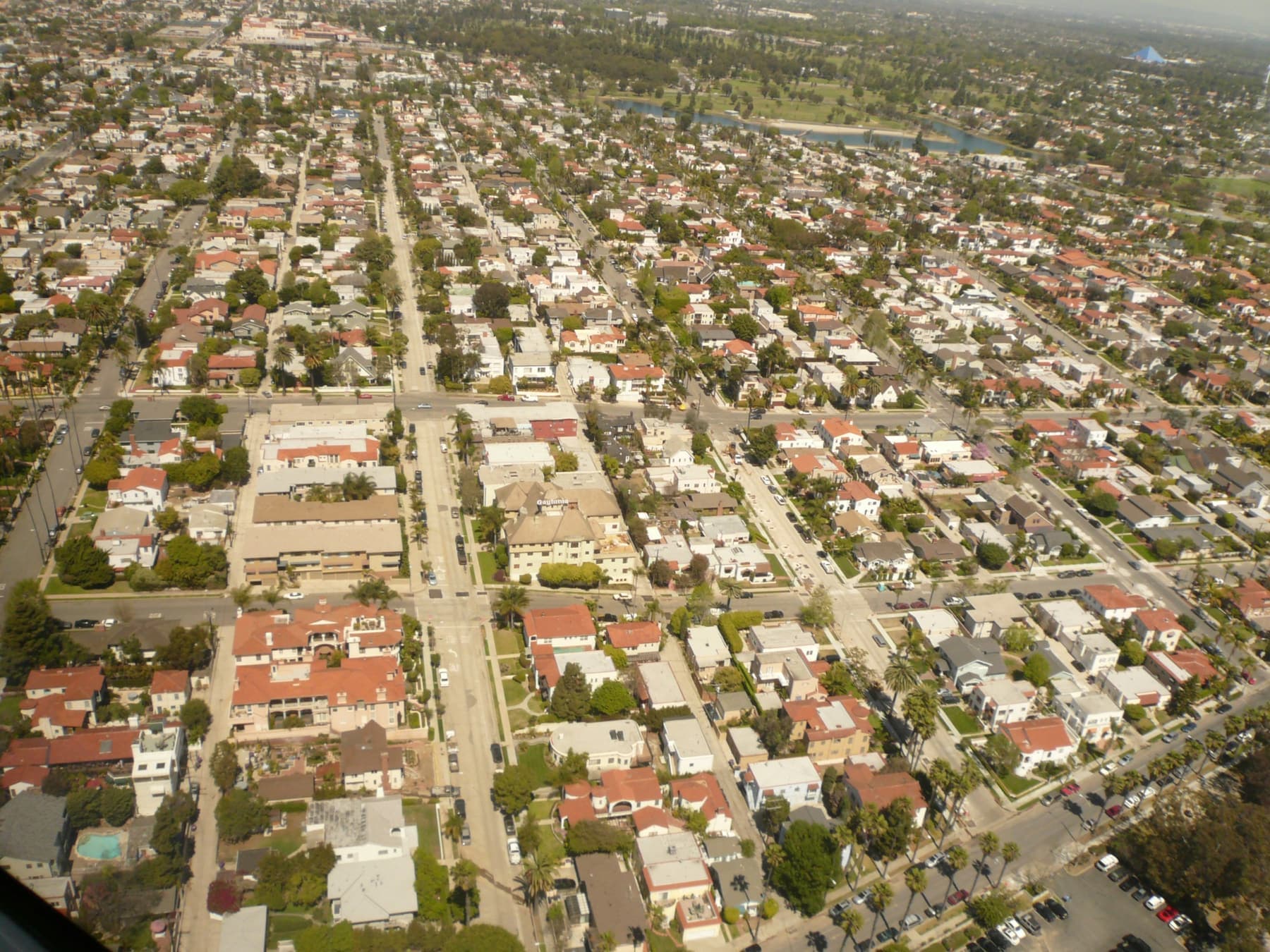
A large share of the city's most desirable housing dates from the 1920s through the 1950s. That is the source of the architecture people move here for, and also the source of the most common surprise in escrow: work that was done at some point without a permit, or with a permit that was never finaled.
Converted garages, enclosed porches, added bathrooms, and bootleg units are all common in older Long Beach stock. Sometimes they are decades old and entirely livable. That does not make them permitted, and an unpermitted addition can affect appraisal, insurance, financing, and what you may legally rent.
Pull the permit history on any older property and compare it against what is physically there. Where they do not match, find out what it would take to legalize the difference, and price that in. This is unglamorous work and it is where most of the real risk in this market actually sits.
The unglamorous checks come first, because they are the ones that end deals late.
With Long Beach buyers I run the same sequence every time. Historic district status for the address. Permit history against the physical house. Tenant situation and what is actually on the leases. Flood zone and an insurance quote. Only then do we get serious about which property.
It is a slower start, and some buyers find it deflating when they would rather be touring. It is also why the offers we write tend to survive escrow, and why nobody discovers in week four that the second story they planned needs Cultural Heritage Commission approval.
If you are buying from out of state or from abroad, I do this work before you fly out, in English or Russian, so your trip is spent on the two or three properties that actually clear the gates.
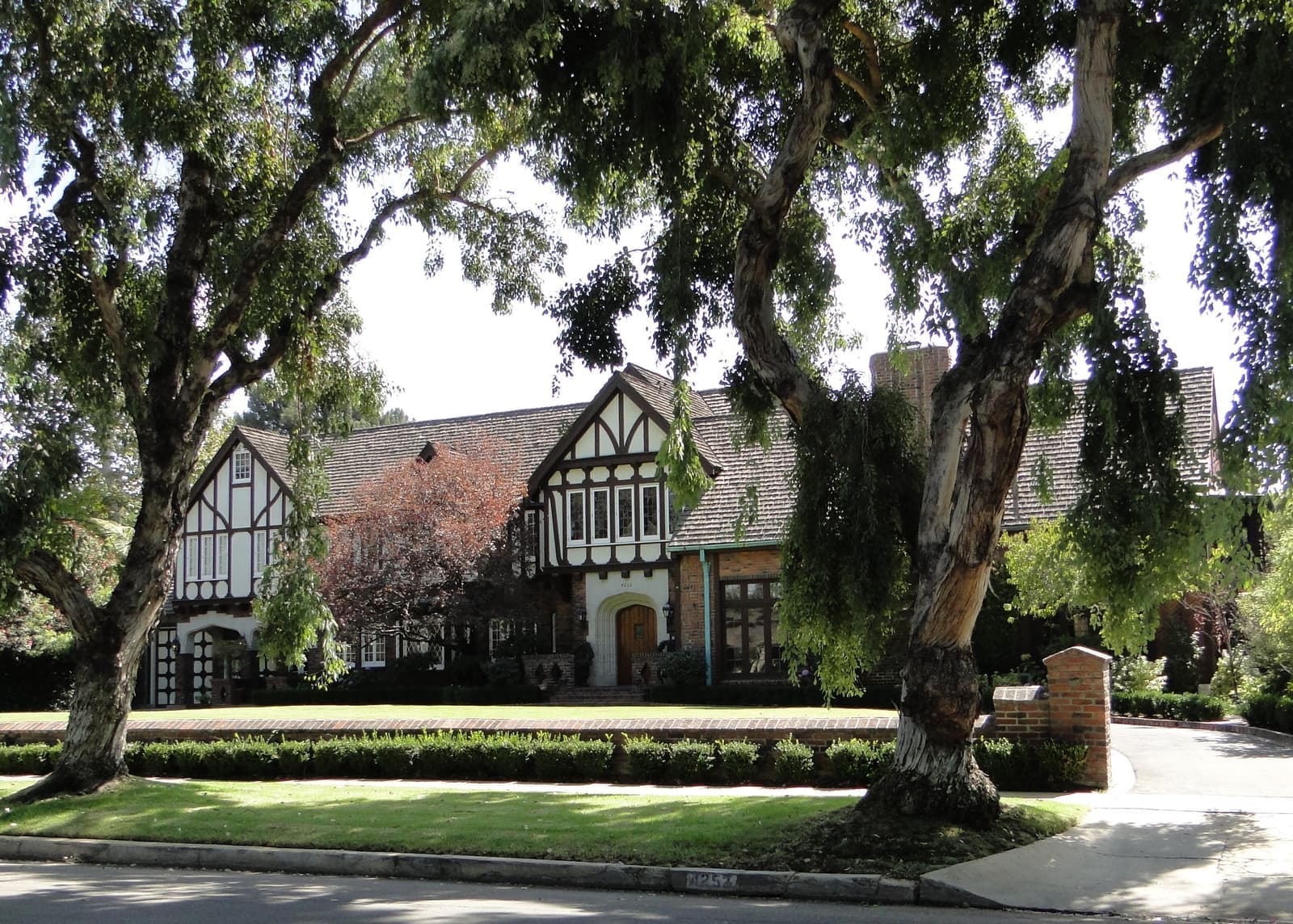
Long Beach is one of the strongest best-value cities on the Southern California coast. It is a full coastal city rather than a beach suburb, and its median asking price sits at a fraction of Santa Monica, Manhattan Beach or Malibu, so a house near the water is realistic here in a way it is not further up the coast. Long Beach Unified won the Broad Prize for Urban Education and has been a five-time finalist, which is unusual for a district this size. The city is flat, holds a Silver-level Bicycle Friendly Community award, and has real culture of its own, from a street Grand Prix running since 1975 to the Queen Mary and the fourth largest aquarium in the country. The trade-offs are tight parking in the older neighborhoods, historic district rules where they apply, and aircraft noise on the flight path.