

$525,000
Co-op2 bd2 ba1,100 sqft
13330 Del Monte Drive 10-H
The HOA questions that decide whether a Long Beach condo is a good buy or an expensive lesson

A Long Beach condo is the most realistic way to own near the water in this city, at a little over half the citywide median for all homes, and it buys a genuinely walkable life: Pine Avenue, the shoreline path, the marina and the aquarium within a few minutes on foot, with no roof, no yard and no exterior upkeep. Downtown, the East Village and Ocean Boulevard hold most of the stock. What separates a good buy from an expensive lesson is almost never the unit: it is the association behind it. Three things decide that in 2026. Whether the building has completed its SB 326 balcony inspection, which was due by 1 January 2025 and which lenders are now refusing to finance without. Whether the HOA's reserves can absorb what that inspection found, because special assessments running from tens of thousands to well over a hundred thousand dollars per unit are being levied across California. And whether the project is warrantable at all, since one owner holding too many units, thin reserves or active litigation can make a building unfinanceable regardless of how good the unit is, and a heavily rented building can remove the low down payment FHA route entirely. Ask for the HOA documents before you fall in love with the view.
The cheapest realistic way to live near the water in a walkable part of the city.
Start with the arithmetic, because it is the whole argument. The median asking price for a Long Beach condo sits at a little over half the citywide median for all homes, and the live snapshot above shows today's figure. That gap is the difference between owning near the water in this city and not owning here at all.
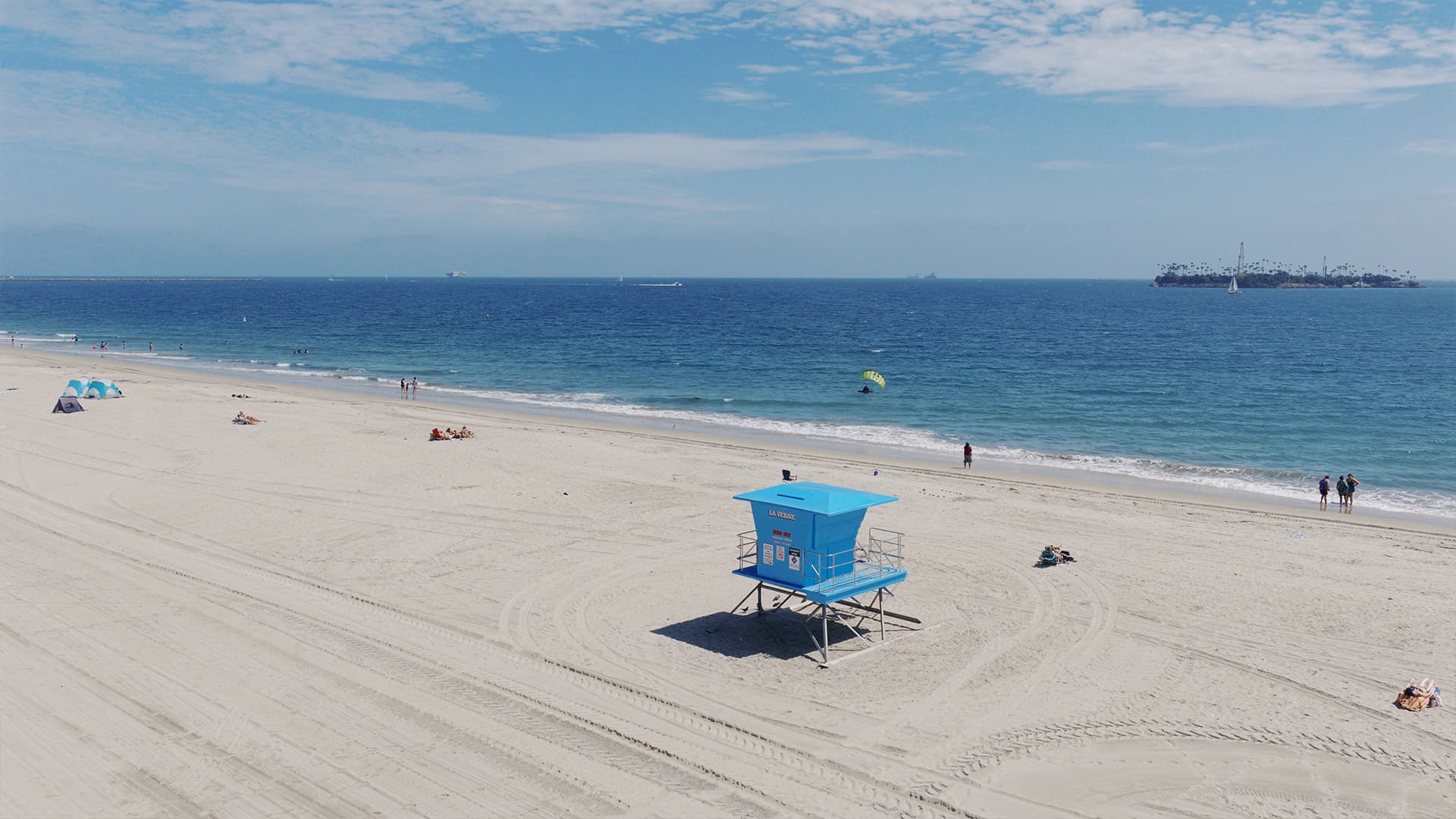
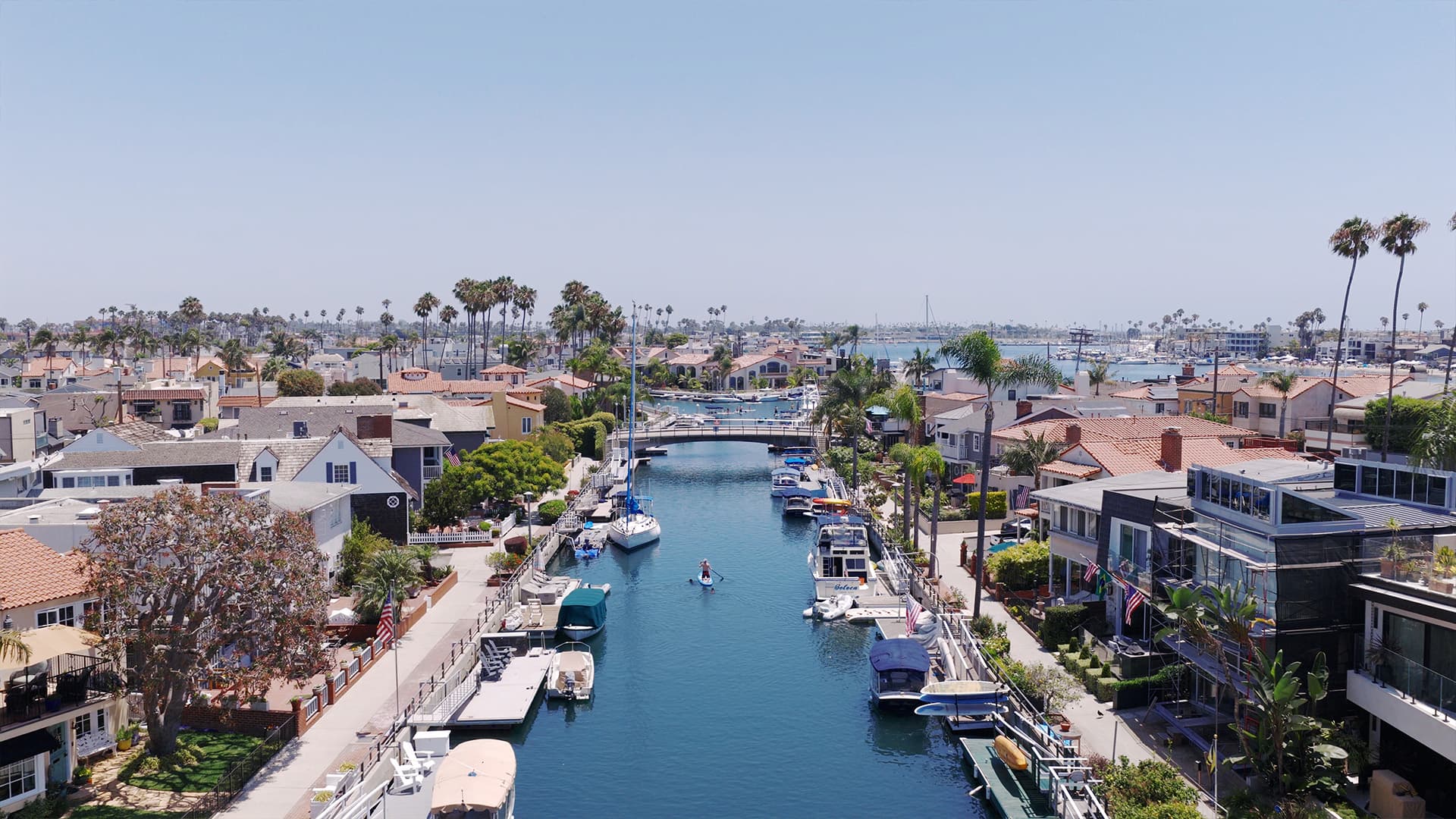
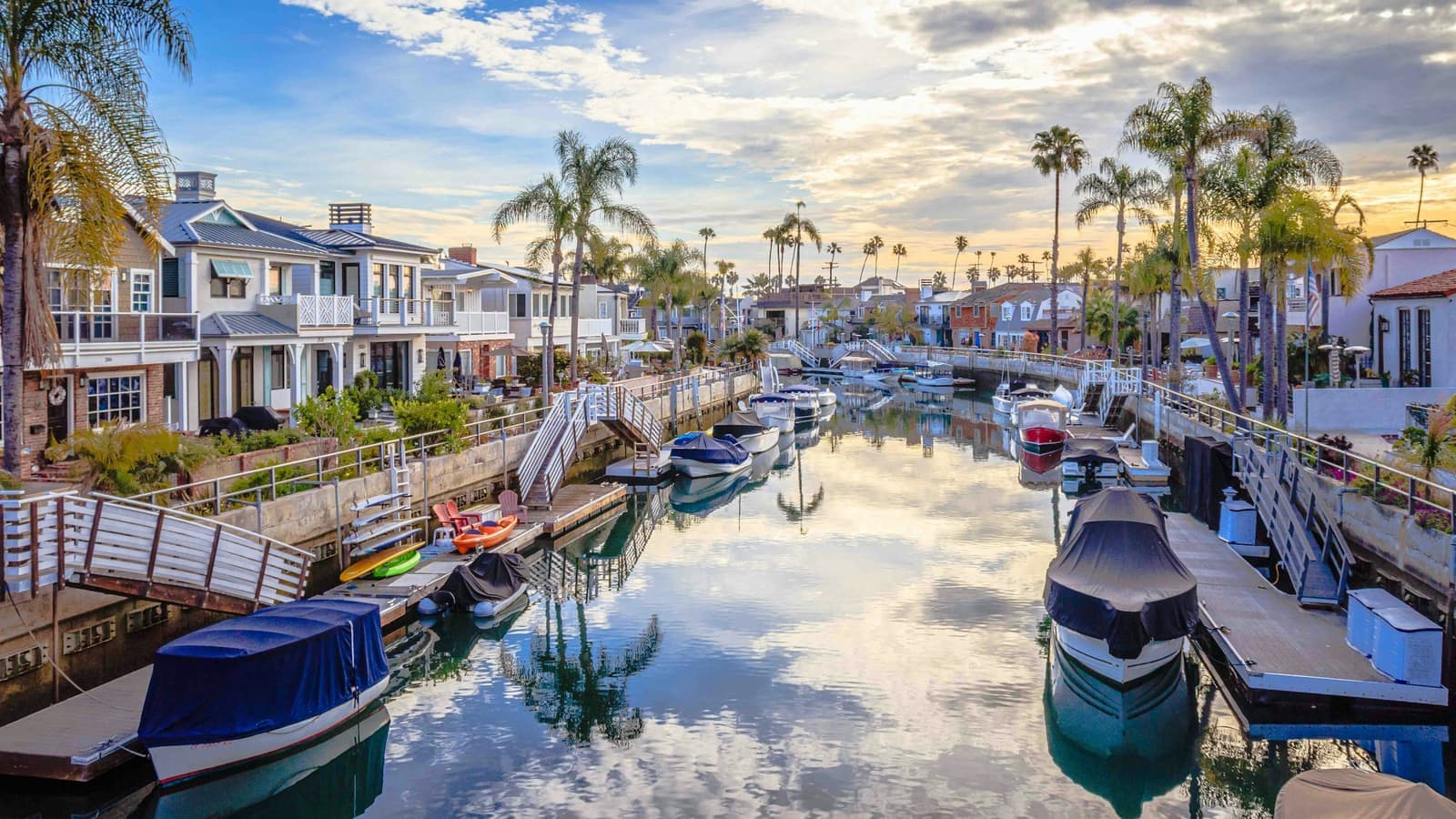
What the money buys is a genuinely walkable life, which is rarer in Southern California than the brochures suggest. Downtown, the East Village Arts District and the Ocean Boulevard corridor put you within a few minutes on foot of Pine Avenue restaurants, the shoreline path, the marina and the Aquarium of the Pacific, with the Queen Mary across the water. Long Beach is flat and holds a Silver level Bicycle Friendly Community award, so people here actually do this rather than intending to.
The building takes work off your hands too. No roof to replace, no yard, no exterior paint, and for anyone who travels or owns a second home it locks and leaves without a list of things to arrange. For a first purchase, a downsizing move, or a foothold near the coast, this is frequently the sensible choice rather than the consolation prize.
So the question is never whether a Long Beach condo is a good idea. It usually is. The question is whether a specific building is a good version of it, and that is decided entirely by the association behind it. What follows is how to tell.
Getting ready

Start with the life the home is for: who'll live there, where you work, the schools, how much room you need. Then we pick a few parts of town that fit.

Cash or a loan? If it's a loan, get preapproved first. A lender looks at your income and savings and tells you how much they're ready to lend, and sellers take an offer with that letter more seriously.

Call or write, and we'll go through your plans together. Before we tour homes, we sign a short buyer agreement, as the rules ask, so it's clear how we'll work together.

I send you the homes that fit, and the new ones as they come up. Before you fall for one, we check its fire, flood and earthquake zones.
The offer and escrow

We see the homes you like in person, or on video if you're not in town yet.

When you find the one, we write the offer together: the price, the deposit, the time you'll need to check the home, and the closing date.

Once the seller says yes, your deposit usually goes to escrow within 3 business days. Escrow is a neutral company that holds the money and the papers until everything's done.

The seller gives you everything they know about the home, usually within 7 days. You get 17 days by default to inspect it and make sure it can be insured.
Closing

With a loan, the lender orders an appraisal and finishes the paperwork. A cash purchase usually skips this step.

When the inspections, the loan and the appraisal check out, you remove the contingencies in writing. I keep the calendar so no deadline slips by.

In the last days before closing you walk through the home once more and sign the loan and escrow papers. Your lender sends the final loan terms at least 3 business days before.

The county records the deed and the home is yours. Watch the mail after that: the supplemental tax bill comes to you, not to your lender.
Asking prices for homes on the market right now inside each mapped area, not sale prices. Updated October 17, 2026
409 active listings in the mapped area
I’m a Realtor right here in Long Beach and I know it inside out. Buying or selling, tell me what you’re after and I’ll help you get there.
Slava Ploshkin · DRE #02323623English and Russian · How I work in Long Beach
The single most consequential thing to check on a California condo right now.
California's SB 326, in Civil Code section 5551, requires condominium associations to have their exterior elevated elements inspected by a licensed structural engineer, civil engineer or architect. That means balconies, decks, stairs and elevated walkways. The first deadline was 1 January 2025. It has passed, and associations that missed it are non-compliant.
A widespread misunderstanding is worth naming: AB 2579 extended the deadline for apartment buildings under the separate SB 721 regime to 1 January 2026. It did not extend the condominium deadline. Boards that believe they have more time are frequently mistaken.
For a buyer the consequences are immediate and financial. Inspections have been uncovering structural problems at scale, and associations have levied special assessments reported from tens of thousands of dollars up to well over a hundred thousand per unit, with per-balcony repair costs commonly estimated at ten to twenty-five thousand. The inspection findings must also be incorporated into the association's reserve study, so a reserve study that predates the inspection is legally incomplete.
And it now reaches financing directly. Under SB 410, effective 1 January 2026, the report must be included in the seller's disclosure package. Lenders have been declining condo mortgages where the association has no valid balcony safety documentation on file. That means this is not a post-closing surprise you can absorb later. It can end the transaction.
Monthly dues tell you almost nothing on their own.
Buyers fixate on the monthly dues figure, which is the least informative number in the packet. A low due is not good news if it means the association has been underfunding its reserves for a decade, and a high due is not bad news if it means the building is actually maintained.
What matters is the reserve study: what the association expects to have to replace, when, and whether the money is there. Roof, elevators, plumbing, windows, and now the exterior elevated elements that SB 326 has forced into the open. A reserve study that predates the balcony inspection is incomplete by law, so check the dates against each other.
Then read the minutes, not just the balance sheet. Board minutes are where you find out about a leak nobody has fixed, a dispute with a contractor, or a special assessment being discussed but not yet levied. That last one matters enormously: an assessment approved a week after you close is your bill, not the seller's.

Some buildings are unfinanceable for reasons that have nothing to do with your credit.
Condo lending works on the project as well as the borrower. A building can be declared non-warrantable, meaning conventional financing becomes difficult or impossible, for reasons entirely outside your control: a single owner holding too many units, thin reserves, or active litigation involving the association.
The share of rented units matters too, but less bluntly than it is usually described. Under Fannie Mae rules an established project must be at least half owner-occupied for an investment property loan, and that particular test does not apply when you are buying the unit to live in yourself. Where it bites hardest is FHA, which requires roughly half the building to be owner-occupied for the project to be approved at all. So a heavily rented building can quietly remove your low down payment option while leaving a conventional purchase intact.
FHA financing is its own separate question. If the project is FHA approved, a buyer can get in with as little as 3.5 percent down, which for a first purchase changes everything. If it is not, that option simply does not exist for that building no matter how well qualified you are.
The practical sequence is to check project eligibility early, before you write, and to have your lender review the association's financials and insurance rather than doing it yourself from the packet. Finding out in week three that the building is non-warrantable is a common and entirely avoidable way to lose a deal and an appraisal fee.
Older towers, converted brick, and a coastline all show up in the HOA packet.
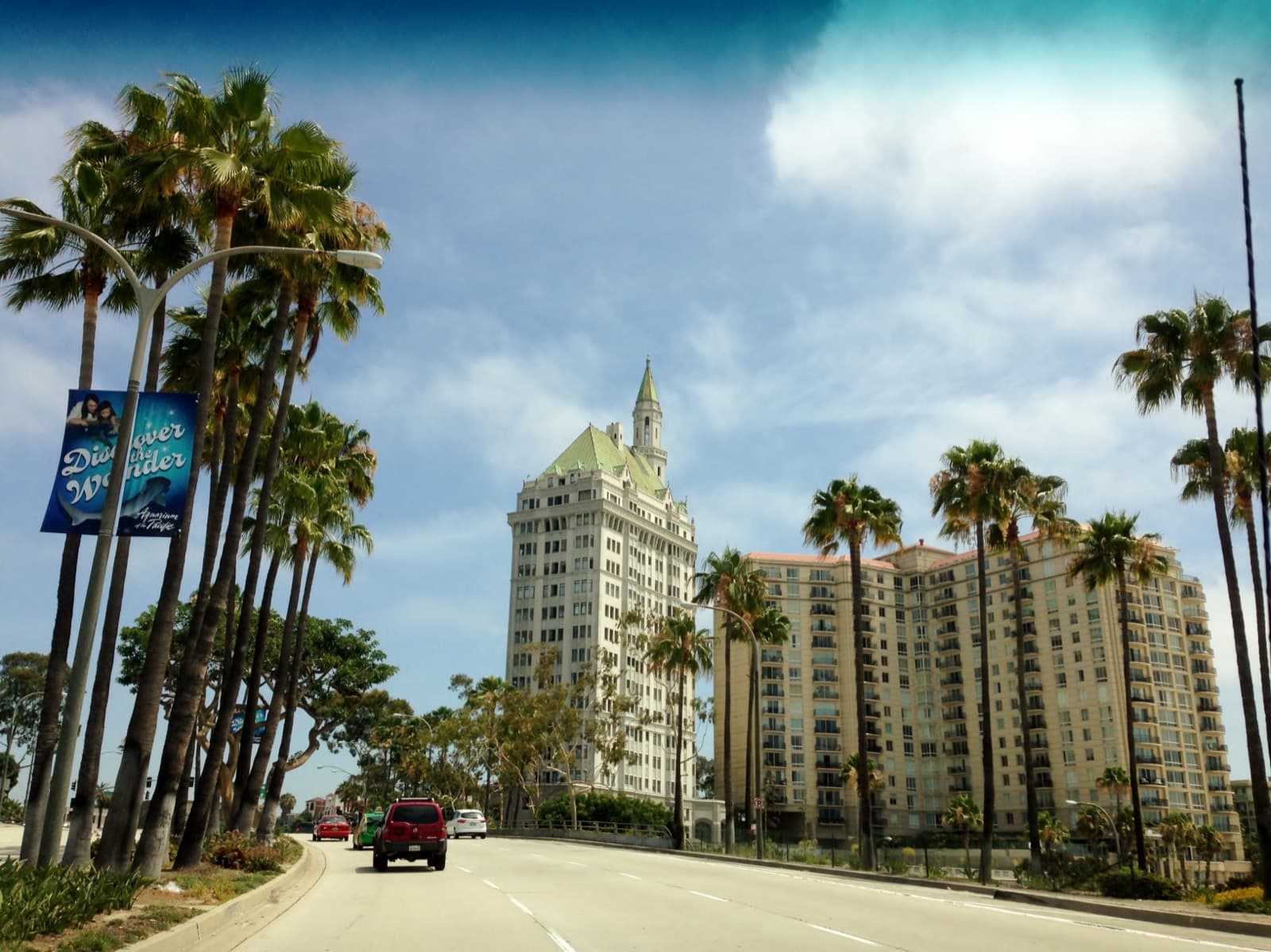
Much of the ocean-view stock along Ocean Boulevard is genuinely old, which is exactly the profile where SB 326 findings bite hardest: decades of salt air on elevated concrete and steel. The view is the reason the building exists and the balcony is the reason it now has a bill.
Downtown also holds converted commercial and brick buildings. Long Beach ran a mandatory unreinforced masonry retrofit programme that ran through 2007, so for those buildings the question is whether the retrofit is documented, not whether one was ever required.
Finally, coastal proximity affects insurance at the association level, not just yours. A building's master policy premium flows into your dues, and coastal California insurance has been repricing sharply. Ask what the association pays now versus three years ago, and whether the carrier has changed.

The documents come before the showing, not after the offer.
On a condo I want four things before we get serious: the SB 326 inspection report and any resulting scope, the current reserve study with its date, the last twelve months of board minutes, and confirmation from the lender that the project is financeable.
That order is deliberate. Three of the four can end a purchase on their own, and all of them are knowable before anyone spends money on an inspection or an appraisal.
If you are buying from out of state or from abroad, I will read the packet and summarise what is actually in it, in English or Russian, before you book a flight.
For most buyers looking near the water in Long Beach, yes. A condo is the lowest realistic entry price into the city and often the only entry into its genuinely walkable parts, with the median condo asking price sitting at a little over half the citywide median for all homes. You get Pine Avenue, the shoreline path, the marina and the Aquarium of the Pacific within a few minutes on foot, in a city flat enough that people actually walk and cycle rather than intending to, plus no roof, no yard and no exterior upkeep. The question is rarely whether a Long Beach condo is a good idea, it is whether a specific building is a good version of one, and that comes down to the health of the association behind it.